Leave Your Message

Blog

Top 10 Three Phase Voltage Protectors for Global Buyers

Top 10 Three Phase Voltage Protectors for Global Buyers

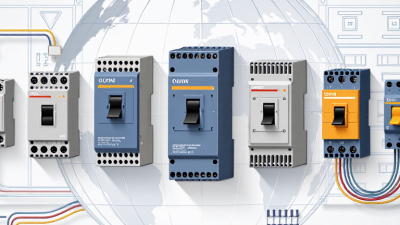
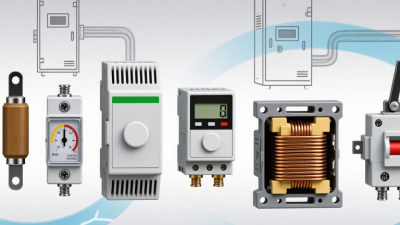
So, three-phase power systems are pretty much the go-to for running motors, pumps, compressors, and that sort of production equipment. But here's the thing – voltage conditions can really vary from site to site. That's where a decent protector comes in. It can catch problems like phase loss, a wrong phase sequence, or voltage that's outside the limits you've set. In this guide, we're looking at ten options for buyers worldwide, and we focus on stuff like rated voltage, adjustment range, how they respond, mounting style, and whether the technical docs are actually useful. Hey, so you might spot the term Three Voltage Protector in product listings all the time. But here's the thing: just because it's called that doesn't mean every model is actually built for three-phase service. You've got to double-check the specs before making a purchase. This isn't meant to be a definitive ranking or anything—just a practical place to start. Sure, specs and what the manufacturer says matter, but honestly, they don't replace actually testing the device against your real circuit—the supply, the load, the control wiring. You want to see clear wiring diagrams, stated limits, some test data, and solid after-sales support. A DIN-rail unit might be perfect for a tight control cabinet, but if you're scaling up to a bigger setup, you might need different ratings or have to coordinate things with other protective gear. You know, it's the little things that really matter. Make sure to double-check whether the relay needs a neutral connection and if its settings can be tweaked to fit your specific application. When it comes to installation and getting it up and running, that's definitely a job for qualified pros—and they need to follow local codes and regulations. No shortlist is ever going to answer every question that comes up on a particular site. And even if a product has great documentation, it can still be a bad fit if you misread its ratings or don't fully understand what it's supposed to do. So, here's the thing – these ten selections are great for helping you frame better questions. And don't just skim the evidence; really dig in and compare it carefully. Plus, if anything feels unclear, don't be shy to ask for clarification before you even think about purchasing. It makes a world of difference.
Read more »
Sophia By:Sophia - November 6, 2026
Top 10 Electric Motor Contactor Manufacturers in 2026

Top 10 Electric Motor Contactor Manufacturers in 2026

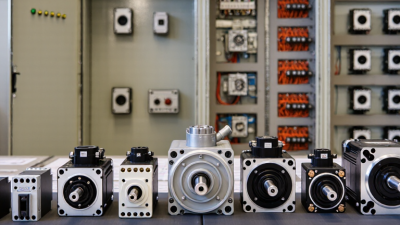
So, picking a manufacturer for your electric motor contactors isn't just about comparing brand names—trust me, it's way more than that. The one you go with can actually affect how well your motor starts, how reliable the switching is, how often you'll be doing maintenance (nobody wants that hassle), and even how much space you need in your panel. Honestly, it's a decision that matters. That's why we've put together a list of ten manufacturers you should keep on your radar for 2026. We dug into their product ranges, looked at how thorough their technical documentation is, and considered whether they suit different types of applications. So if you're in the market, this guide's got you covered. I mean, this list is really just a starting point – it's not meant to be some universal ranking or anything like that. When you're comparing contactors, you really need to start by looking at the nameplate and datasheet – that's where all the key specs live. So check the rated current, motor duty, coil voltage, switching frequency, and operating temperature. Honestly, a contactor that's perfectly sized for a small workshop pump might not be up to the job on a production line that's continuously starting and stopping motors all shift long. And here's another thing – mounting dimensions matter too. Just a few millimeters can throw a wrench into a retrofit when you're dealing with a crowded control cabinet. You know, when you're picking a product, it's easy to get swayed by a brand you recognize. But honestly, the practical stuff matters just as much. Like, are there clear instructions for setting it up? Can you easily get replacement parts if something breaks? And what about tech support - are they actually responsive? These things might not be as flashy as a logo, but they can make a huge difference in the long run. Look, specs can vary a lot depending on the model and where you are. So before you commit to anything, make sure you're checking the manufacturer's latest documents and that the device actually matches your motor and control circuit. No list, no matter how well-curated, can cover every decent local supplier. And rankings? They're really just a reflection of what buyers prioritize - price, availability, product range, or long-term support. So take them with a grain of salt - it's never a perfect judgment. These manufacturers give you a decent starting point for comparing options, but when it comes down to it, you really need to base your final pick on what your application actually needs electrically and how it's going to be operated.
Read more »
Sophia By:Sophia - November 1, 2026
How to Choose an MCB Electrical Circuit Breaker in 2026?

How to Choose an MCB Electrical Circuit Breaker in 2026?

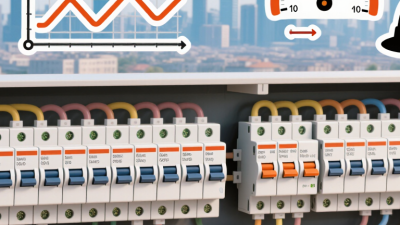
Picking a MCB electrical circuit breaker in 2026 isn't just about flipping through a catalog. Honestly, it's a safety call you make based on the actual circuit you're dealing with. The International Energy Agency's Global Energy Review 2025 shows global electricity demand shot up by 4.3% in 2024—so with all those extra loads, you really need to think twice about how you protect your circuits. But just because demand is higher, that doesn't exactly tell you which breaker to pick, does it? First off, you’ll want to look at the circuit’s rated voltage, the expected load, the size of the conductors, and how much fault current is available. After that, move on to the required poles, breaking capacity, and trip curve. But here’s a little thing that trips people up: the breaker’s ampere rating has to match the wiring it’s protecting, not just what’s on the appliance sticker. And remember, IEC 60898-1 is the standard for overcurrent breakers in household and similar settings, so make sure whatever you pick and whatever you install still meets your local rules. Honestly, that standard is just a reference, you know? It's not meant to replace a proper assessment done by someone who actually knows their stuff. You know how John Drengenberg from UL Solutions is all about keeping consumers safe? Well, his go-to advice basically boils down to this: pick protection that matches the actual circuit conditions, not just what's easiest or most convenient. That's my own take on his message, not an exact quote, so don't quote me on that. The point is, you really need to double-check the ratings against the manufacturer's datasheet, and honestly, having a licensed electrician confirm your choice and installation is a smart move. Because just because a breaker fits in the panel doesn't mean it's right for the circuit—trust me on that one. Look, I know it's tedious, but you've got to check the label, the wiring, and the actual load. Then do it one more time, just to be safe. Seriously, a tiny oversight can come back to bite you in ways you don't expect.
Read more »
Sophia By:Sophia - October 29, 2026
Why Do You Need Voltage Regulators and Stabilizers?

Why Do You Need Voltage Regulators and Stabilizers?

Modern electrical gear doesn't usually just fail out of nowhere. Still, a brief voltage sag can be enough to dim factory lights, reset a server, or even shut down a production line. That's where Voltage Regulators Stabilizers come into play. They help tame those fluctuations before they turn into costly interruptions. In short, they watch the incoming power and adjust the output voltage so it stays in a safer operating range. So, this protection is basically there to support sensitive devices — things like medical systems, automation controllers, and even data-center equipment. Roger C. Dugan—who's a well-known power-quality expert and co-author of Electrical Power Systems Quality—puts it pretty plainly: “Power quality is any power problem manifested in voltage, current, or frequency deviations.” That's a helpful way to look at it, because it shows why stable voltage matters for more than just keeping equipment running. A regulator can step in when voltage dips too low or climbs too high. And a stabilizer? It can also help soften the impact of shaky supply networks and heavy motor loads. So, what might you get out of it? Fewer shutdowns, longer-lasting equipment, and maintenance that's a bit easier to predict. That said—no device can solve every disturbance. Sizing still matters—more than people sometimes think. Engineers need to look at load capacity, response time, phase balance, harmonics, and bypass requirements. A small workshop might get away with a compact servo stabilizer, whereas a hospital or manufacturing plant may need a monitored industrial system. Brands like Schneider Electric and Eaton do offer power-management solutions, but at the end of the day, the product choice should be based on what the site actually measures. That's the part that's easy to overlook. Going too big with a unit? That can just burn money. Pick one that's too weak, though, and you're asking for new risks. So this guide looks at why Voltage Regulators Stabilizers still matter, where they tend to work best, and what decision-makers should really ask before they install one.
Read more »
Ethan By:Ethan - October 25, 2026
China Top 10 Intelligent Switch Manufacturers?

China Top 10 Intelligent Switch Manufacturers?

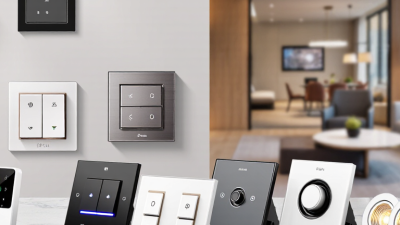
China’s Intelligent Switch industry is moving away from basic touch panels and toward something more connected — scene-based control. These days, wall switches can handle lighting, curtains, sensors, even energy routines. And honestly? You can really see that shift in modern apartments, hotels, and commercial offices. So, Grand View Research put the global smart home market at around USD 121.6 billion back in 2023. And its report expects pretty strong growth all the way through 2030. MarketsandMarkets also points to connected control devices as a major growth category in smart homes. That gives us some useful context, sure. But here's the catch: those figures don't break out Intelligent Switch sales on their own. And that limitation? It actually matters. So, this guide is basically a rundown of China’s top 10 intelligent switch manufacturers — and yeah, we’re looking at them through some pretty practical filters. Think things like product reliability, protocol support, safety testing, software stability, factory capability, and export experience. Along the way, we’ll mention brands such as Aqara, Legrand, Schneider Electric, Sonoff, and MOES. But we’re not just going by glossy product photos, either. Sure, a glass panel can look super premium, but if the relay doesn’t hold up, you could end up dealing with some annoying — and expensive — maintenance headaches. Interoperability is still the big thing here. Tobin Richardson, CEO of the Connectivity Standards Alliance, called Matter “the foundation for the connected home.” And honestly, that point hits home for Chinese manufacturers trying to sell overseas. Whether a device supports Wi-Fi, Zigbee, Thread, or Matter can shape installation costs—and how happy customers end up being. Look, rankings like this aren't set in stone. Product lines shift fast, and public manufacturing info? Sometimes it's just incomplete. Some brands share detailed certifications; others don't give you much to go on. So before you buy, it's worth checking current test reports, warranty terms, how the app actually performs, and whether it meets local compliance rules. Honestly, real projects tend to tell you more than any brochure. And that's really where this comparison starts.
Read more »
Ethan By:Ethan - October 21, 2026
How to Choose an MCB Electrical Circuit Breaker in 2026?

How to Choose an MCB Electrical Circuit Breaker in 2026?

Picking an Mcb Electrical Circuit Breaker in 2026 isn’t just about price tags or counting poles. You’ve got to make sure the device actually fits the circuit: voltage, load current, prospective short-circuit current, cable size, and where it’s installed. A breaker for a kitchen socket circuit isn’t going to need the same things as one running a motor, heat pump, or lighting panel. Little things count too—terminal temperature, enclosure space, ambient heat, and the available fault level. Electrical educator Mike Holt put it well: 'A circuit breaker must protect the conductor, not merely interrupt the load.' That idea still holds up when you’re looking at modern products from Schneider Electric, ABB, Eaton, or Siemens. A B-curve breaker can work fine for a lot of resistive and lighting loads, while a C-curve model might handle higher starting current better. But assumptions can bite you. A motor that looks totally ordinary could start tripping over and over after it’s installed. So look for clear ratings, tested performance, compatible accessories, and solid technical documentation. Check the breaking capacity—6 kA or 10 kA, for example—against the calculated fault current at the installation. Don’t pick an Mcb Electrical Circuit Breaker based on current rating alone. Coordination with upstream and downstream protective devices matters for safety and keeping power on, too. And local electrical rules still have the final say; a qualified electrician should check the design before you energize the circuit. Some product labels are just confusing. Yeah, that’s worth questioning. A careful selection process might take a bit longer, but it can save you from nuisance trips, overheated conductors, equipment damage, and some genuinely dangerous installation mistakes.
Read more »
Ethan By:Ethan - October 16, 2026
China Top 10 Digital Current Protector Manufacturers

China Top 10 Digital Current Protector Manufacturers

China’s Digital Current Protector market isn’t just about cutting off overcurrent anymore. Today’s devices do a lot more—they sense current, run microprocessor control, communicate with other systems, and let you adjust protection curves. In this guide, we’ll walk through ten Chinese manufacturers that serve industrial automation, energy storage, building systems, and renewable-energy applications. J. Lewis Blackburn, who’s widely respected in protection engineering, once said, “The purpose of protective relaying is to detect faults and remove them from the system.” That idea still holds up. A dependable Digital Current Protector has to react fast, avoid tripping when it doesn’t need to, and stay stable when things get hot, shaky, or loads keep changing. So evaluating these products isn’t just a price comparison. You’ve got to look at current accuracy, interruption capacity, response time, enclosure design, software features, and after-sales support. Here’s the thing: look closely. We looked at the selected manufacturers through technical docs, field experience, product range, manufacturing capability, and quality-control evidence. The useful stuff includes calibration records, current-injection testing, thermal-cycle results, communication protocols, and warranty terms. Honestly, those details often tell you more than glossy product photos. A good supplier should also be clear about installation limits and give maintenance teams fault records they can actually understand. No ranking is perfect. Market data shifts, and some factory claims really should be checked independently. A slick datasheet can’t replace a controlled test or a chat with an engineer who’s been in the field. So treat this overview as a practical starting point, not the final word. Buyers should match each manufacturer’s Digital Current Protector to their actual load profile, fault risks, operating environment, and long-term maintenance plan.
Read more »
Ethan By:Ethan - October 12, 2026
Top Lightning Arrester SPD Suppliers Worldwide?

Top Lightning Arrester SPD Suppliers Worldwide?

Picking the best Lightning Arrester SPD suppliers worldwide isn't just about comparing prices. You need lab evidence, real installation experience, and published standards to back it up. MarketsandMarkets' Surge Protection Devices Market report points to rising demand across industrial facilities, data centers, renewable energy systems, and commercial buildings. Grand View Research also ties market growth to stricter electrical protection rules and expanding digital infrastructure. That's why established manufacturers stay visible—but visible doesn't automatically mean suitable. Big names include Schneider Electric, ABB, Siemens, Eaton, Phoenix Contact, DEHN, and CITEL. Their ranges usually cover Type 1, Type 2, and combined surge protective devices. They also publish technical data for nominal discharge current, maximum continuous operating voltage, response time, and short-circuit withstand capability. If you're looking at a 2p Lightning Arrester Spd Dc Spd, double-check polarity, DC voltage range, remote signaling, and replacement-module availability. Little details matter. IEC 61643-11 and IEC 61643-31 are key reference points for AC and photovoltaic applications. But certification scope can differ between models and regions. So a supplier ranking can be misleading if it ignores system voltage, earthing design, lightning exposure, and local inspection practice. Honestly, real product experience matters more than polished brochures. Still, field data isn't always publicly comparable. That gap deserves attention. This guide evaluates global suppliers through technical documentation, certification quality, application support, warranty clarity, and distribution strength. The goal is to help engineers and procurement teams build a defensible shortlist—not to promote one universal winner. Some installations need a premium brand. Others need stronger local service and faster replacement stock.
Read more »
Lila By:Lila - October 9, 2026
Top Electronic Contactor Manufacturers and Suppliers

Top Electronic Contactor Manufacturers and Suppliers

The global market for electronic contactors is really evolving these days. Factories are looking for faster switching, less energy waste, and more reliable protection. Because of this, manufacturers are now catering to a variety of applications—like automation, heating systems, electric vehicles, renewable energy projects, and tough industrial setups. Dr. Bimal K. Bose, a well-known pioneer in power electronics, once said that this field is all about “the technology of power conversion, control, and conditioning of electrical energy.” That simple quote actually sums up why an electronic contactor is more than just a commodity to compare by price. It needs to handle electrical loads safely, repeatedly, and with predictable thermal behavior. This guide takes a look at some of the top manufacturers and suppliers out there—think Schneider Electric, Siemens, ABB, Eaton, Rockwell Automation, TE Connectivity, and Sensata Technologies. Their products vary a lot in things like switching capacity, control voltage, how they’re mounted, response times, and cooling methods. Some use solid-state designs, while others blend semiconductor control with mechanical isolation for added reliability. And don’t forget, it’s the little things that count. A small contactor might fit nicely inside a control cabinet but still need extra heat dissipation. Higher current ratings may seem attractive, but if the installation temperature gets too high, it can hurt performance down the line. Plus, datasheets don’t always tell the full story about maintenance or real-world application. That’s why it’s so important to compare specs carefully. When you’re choosing the right contactor, it’s essential to consider the product specs, certifications, actual field experience, support options, availability, and how well it holds up over time. IEC 60947 standards are a good reference point, but simply meeting those isn’t a guarantee it’ll be perfect for your specific setup. No rating system is perfect either—supplier quality can really vary depending on the region, product line, or the support team behind it. Bottom line: always double-check the latest datasheets and understand your installation conditions before settling on an electronic contactor, especially if it’s critical for your equipment.
Read more »
Sophia By:Sophia - October 4, 2026
China Top 10 SPD Lightning Arrester Manufacturers

China Top 10 SPD Lightning Arrester Manufacturers

Lightning strikes can really do a number on control panels, solar gear, and other connected systems — sometimes in just seconds. That’s why opting for a reliable SPD lightning arrester isn’t just about saving a few bucks; it’s a smart engineering move. In this guide, I’ll walk you through ten manufacturers based in China and point out what you should be checking — stuff like product specs, protection ratings, installation tips, testing histories, and technical support. A clear datasheet really makes a difference. But equally important is how well a manufacturer can explain where their device fits into the overall protection system. When comparing options, I also look at whether they work for AC or DC setups, what enclosure options are available, and how different product lines stack up. The search phrase 2p Lightning Arrester Spd Dc Spd points to a specific configuration — but just the phrase isn’t enough to say if it’s the right fit. You’ll want to double-check things like pole arrangement, max continuous operating voltage, discharge characteristics, and whether it’s compatible with your equipment. Always ask for the latest documentation, and when in doubt, run it by a qualified electrician. Even a top-quality device can be a poor match if system voltages or installation conditions aren’t properly understood. Remember, no amount of ranking or brand reputation can replace a project-specific review. Some manufacturers might have huge catalogs, while others focus on niche applications — look at the evidence and your needs. Watch out for product claims, especially when test reports or detailed model info are missing — that’s a red flag. Honestly, comparing these products isn’t always straightforward. The manufacturers listed here are meant to give you a starting point — not a guarantee that every single one will fit your exact situation. Always verify specs and ask for support before making a decision. Better to be safe than sorry, right?
Read more »
Ethan By:Ethan - September 29, 2026
Top 10 Electric Power Protector Types for Global Buyers

Top 10 Electric Power Protector Types for Global Buyers

A reliable Electric Power Protector isn’t just about shutting things down when a fault happens. It actually helps protect your equipment, minimizes downtime, and keeps the power systems running smoothly within their intended limits. If you’re looking at this from a global perspective, the right choice really depends on factors like the load, voltage, installation environment, and what kind of response is needed. For example, a small surge protector inside a control cabinet serves a totally different purpose from a circuit breaker that's protecting a motor feeder. Little details like that matter a lot. Protection expert Dr. Peter W. Sauer has written quite a bit about power system operation and reliability. Here’s a quick summary—keep in mind, this isn’t a word-for-word quote—he says, “Protection choices should reflect the system they serve, not just the product label.” That’s easy to overlook sometimes. When shopping around, it’s a good idea to compare protective relays, circuit breakers, fuses, surge protectors, voltage stabilizers, and the like, based on what they actually do, their ratings, how they coordinate with other components, and what kind of maintenance they need. Having clear specs helps prevent mismatches in your setup. On the flip side, vague information can lead to trouble. This guide highlights ten different types of Electric Power Protectors and the kinds of questions you should ask suppliers before buying. Make sure to check the nameplate, wiring diagrams, and the operating conditions they specify. Don’t forget to ask how the device handles a fault, and what kind of inspections it might need down the line. Even small print can be important. Keep in mind that product categories and terminology can vary a lot between markets, so it’s a smart move to double-check details with qualified local professionals. Remember, no one protector is perfect for every setup, and just picking the right product doesn’t automatically guarantee your system’s safety—you need the right fit and proper use, too.
Read more »
Sophia By:Sophia - September 24, 2026
10 Tips to Choose the Right MCB Mini Circuit Breaker?

10 Tips to Choose the Right MCB Mini Circuit Breaker?

Picking out the right Mcb Mini Circuit Breaker isn’t just about matching the amperage. It’s really about protecting your wiring, equipment, and even the people using them when something weird happens with the current. If you choose poorly, you could end up dealing with frequent trips, overheating cables, or even delayed fault detection. Trust me, those small details actually do matter. This guide shares ten practical tips built from real-world electrical installation experience, manufacturer info, and what's accepted in the industry. We’ll look at everything from rated current and trip curves, to breaking capacity, pole setup, voltage, terminal quality, and environmental factors. For a reliable choice, don’t just compare the breaker to the appliance’s label—match it with the cable size and expected load instead. IEC 60898-1 can be helpful for many low-voltage setups, but don’t forget to review local codes and specific project conditions—they’re just as important. A kitchen circuit, for example, has different needs than a lighting circuit. Motors might need a breaker with a different trip pattern than simple resistive heaters. Plus, dust, heat, moisture, and limited space in your panel can all impact how well the breaker works. So yeah, keep a close eye on those details. Even seasoned pros sometimes forget to consider startup currents or future load growth. I’ve seen panels that looked perfect but failed because someone chose a breaker out of habit — not because they measured or checked properly. That mistake can happen to anyone. Always double-check product claims against the tech specs, test reports, and installation instructions from trusted manufacturers. Nothing beats a good qualified assessment. The tips below will help you evaluate protection options more clearly, steer clear of common buying mistakes, and gain confidence before hitting the switch. They also point out that a simple rule of thumb doesn’t always fit every situation. Remember, using your judgment is still super important.
Read more »
Sophia By:Sophia - September 20, 2026
China Top 10 SPD Surge Protective Devices Suppliers?

China Top 10 SPD Surge Protective Devices Suppliers?

China has really stepped up as a major hub for manufacturing Spd Surge Protective Devices that are used everywhere—whether it’s homes, businesses, or industrial setups. In this guide, we’re taking a look at ten Chinese suppliers, each bringing their own strengths when it comes to products, factory capabilities, and experience in the market. And don’t worry, this isn’t some sales pitch; it’s all about practical info. We’ll compare options based on AC and DC protection, including Type 1, Type 2, and Type 3 devices, plus DIN-rail compatibility. We’re diving into important ratings too—like the maximum continuous operating voltage, nominal discharge current, and max discharge current. A good supplier should be transparent, offering clear datasheets, test reports, traceable production records, and quick, helpful tech support. And while IEC 61643-11 compliance is a good benchmark, just having the certification doesn’t automatically mean the quality is consistent. Experience in the field really counts as well. Something that looks perfect on paper might not perform so well under real conditions—think heat, humidity, vibration, or repeated surge events. So, factory audits, testing samples, and chatting about how they see these devices working in actual setups can make a big difference. Suppliers like Britec Electric, BENY, Tongou Electrical, LSP, and a few other well-established Chinese names each have their own strengths, but you'll want to verify each one based on your specific project needs. Nobody’s perfect, and that’s worth keeping in mind. Some companies might give you attractive prices but offer limited engineering support, or they might have top-notch testing facilities but require bulk orders. It’s smart to check things like warranty details, replacement policies, enclosure quality, lead times, and how responsive they are after the sale. Ultimately, your choice should be based on the environment you’re working in, the risks involved, and the technical specs you need. Remember—it's the real-world evidence that counts more than fancy claims or marketing hype.
Read more »
Sophia By:Sophia - September 16, 2026
2026 Best MCB Mini Circuit Breaker Types for Global Buyers

2026 Best MCB Mini Circuit Breaker Types for Global Buyers

Looking ahead to 2026, the market for Mcb Mini Circuit Breaker is getting a bit more specialized than before. Nowadays, global buyers aren’t just glancing at specs—they’re comparing protection curves, pole configurations, breaking capacities, and the environments where these devices are installed. For instance, a tiny breaker might be used to safeguard a household circuit, a solar combiner, or even a factory control panel. Basically, the application really changes everything. According to Grand View Research’s report on the Low Voltage Circuit Breaker Market, there’s still strong demand driven by residential building projects, modernization of industries, and the boom in renewable energy setups. Meanwhile, MarketsandMarkets’ 2024 report is also talking about steady global growth—mainly thanks to grid upgrades and stricter rules around equipment performance. And the International Energy Agency’s Electricity 2024 forecast predicts electricity consumption will keep growing robustly through 2026. So, systems are getting more energized, but it’s not just about adding more breakers—it’s about making sure they work together smoothly. Choosing the right breaker is pretty technical, though. Type B curves work well for many homes because they're good with low starting currents. Type C is often used for lighting, sockets, and moderate inductive loads, while Type D is better suited for motors and transformers—though, here, you gotta double-check the fault current to be safe. Also, don’t forget to consider whether you need single-pole (1P), single-pole with neutral (1P+N), two-pole (2P), or three-pole (3P) designs, and whether the device is rated for AC or DC. Just because it has a 6 kA rating doesn’t mean it’s good for every situation—tiny differences can really matter. This guide looks at some of the top mini circuit breakers out there for global procurement. We’ve taken into account things like IEC 60898-1 standards, how they perform at different temperatures, terminal quality, durability, documentation, and consistency from suppliers. Make sure to verify certification marks and test reports—those details count. Remember, there’s no one-size-fits-all best model, even if the catalogs look tempting. Real-world conditions—heat, dust, crowded panels, or unpredictable maintenance—also play a big role. It's important to give these everyday realities some extra thought.
Read more »
Lila By:Lila - September 11, 2026
How to Choose a Protection Controller for Global Sourcing?

How to Choose a Protection Controller for Global Sourcing?

picking out a Protection Controller for global sourcing isn't just about ticking boxes or matching specs. It's really a risk management decision, plain and simple. Did you know that over 80% of world merchandise trade moves by sea? That means if a shipment gets delayed, it can ripple down to factories, warehouses, and even your customers, all at once. The latest World Bank’s Logistics Performance Index from 2023 shows huge differences in customs facilities, infrastructure quality, tracking capabilities, and delivery reliability across various markets. Those gaps are why verifying suppliers is so critical. A study by McKinsey’s Global Institute pointed out that on average, supply chain disruptions lasting a month or more happen roughly every 3.7 years. That’s a big deal. When you're choosing a Protection Controller, it’s not just about price. You have to consider tested performance, traceability, service support, and how easily you can get a replacement if needed. Sometimes, going for the cheapest option might end up costing more in the long run after a failed production cycle. Peter Kraljic, the famous procurement strategist, once said, “Purchasing must become supply management.” That still rings true today—especially when sourcing electrical protection equipment. So, don’t just take promises at face value. Make sure you check fault ratings, operating temperatures, certifications, factory audits, and quality documents at the batch level. And ask for proof—hard evidence, not just words. A good sourcing process isn’t only about comparing prices across different regions. It should include testing how well a supplier communicates during a simulated failure scenario. Honestly, this step often gets overlooked, but it’s super important. And don’t rely on a supplier scorecard alone, because things like transport hiccups, parts shortages, or translation mix-ups can create blind spots. Getting the right Protection Controller isn’t just about equipment—it’s about ensuring safer operation, more stable production, and overall resilience in your global supply chain. Making the right choice involves engineering know-how, documented experience, and ongoing review even after the product is in use.
Read more »
Sophia By:Sophia - September 6, 2026