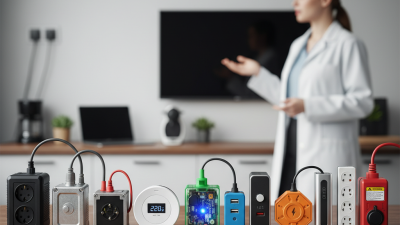
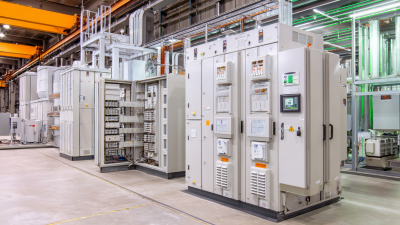
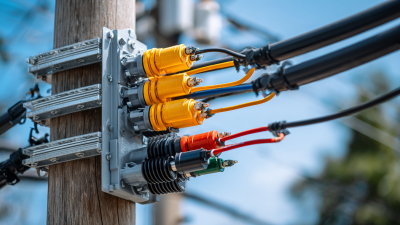
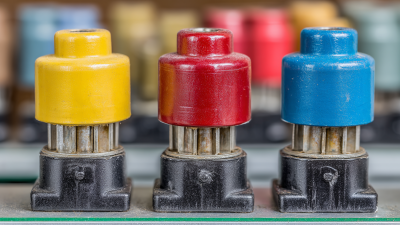
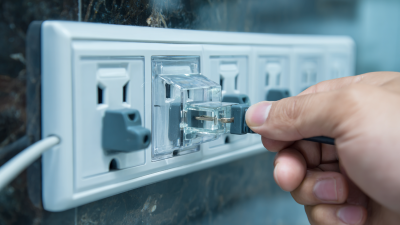
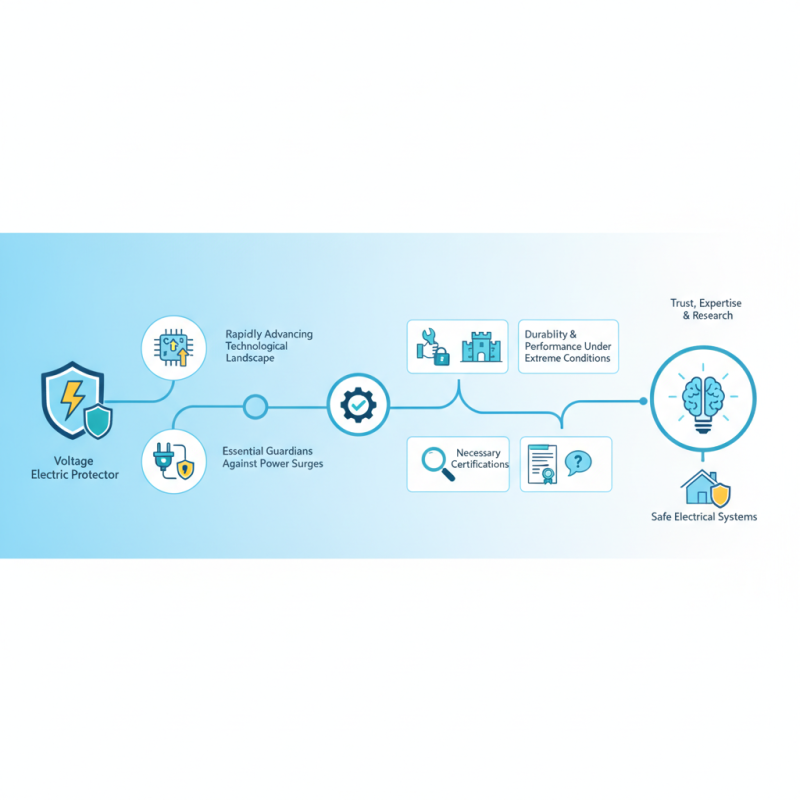
These days, with technology zooming ahead so fast, having a reliable Voltage Electric Protector is more important than ever. As electrical setups get trickier and more complicated, these gadgets really serve as your frontline defense against surprise power surges and other issues. When you're choosing one, you wanna be sure it actually works—that’s where sticking with reputable brands comes in handy, because their solutions have been tested and proven.
Now, in this pretty crowded market, a few brands really stand out. Some focus on clever designs that make installation super simple and keep user safety front and center. Others are all about toughness—making sure their protectors hold up under tough conditions. But here’s the catch: picking the right Voltage Electric Protector isn’t just about grabbing the flashiest package. You gotta look closely—check if it meets the necessary standards and has the proper certifications, because not all options are created equal.
And don’t forget to think about your own needs, too. What works like a charm in one situation might totally fall flat in another. Trust and a bit of insider knowledge really matter here. Do your homework, read reviews, and gather info—that way, you’ll find something reliable that keeps your electrical systems safe from those unpredictable surges. As you sift through the top picks, keep in mind not just their features but also the reputation of the brands behind them. After all, a good protector is an investment in peace of mind.
Understanding Voltage Electric Protectors: An Overview
Voltage electric protectors are essential devices in many electrical systems. They safeguard equipment from voltage surges and spikes. According to a recent industry report by Statista, improper voltage levels can cause significant damage, with costs reaching up to $40 billion annually in the United States alone. This highlights the importance of implementing effective protection strategies.
These devices operate by diverting excess voltage away from sensitive components. They are designed to respond quickly to fluctuations, which minimizes potential harm. Data from the International Electrotechnical Commission shows that nearly 60% of all electrical failures are attributed to surge-related issues. Understanding how these protectors work is crucial for both consumer and commercial applications.
However, the range of protectors available on the market can overwhelm buyers. Many lack the technical knowledge to choose the right device. There is a growing trend of DIY installations, which can lead to improper usage. Approximately 30% of users fail to consider the specific requirements of their systems. This emphasizes the need for education and expert advice in selecting the appropriate voltage electric protectors.
Top 10 Voltage Electric Protectors
This chart displays the efficacy ratings of the top 10 voltage electric protectors based on their performance in various electrical environments. Each protector is measured on a scale from 1 to 100, indicating its reliability in voltage regulation and surge protection.
Key Features to Look for in Voltage Electric Protectors
When selecting voltage electric protectors, understanding key features is essential. Look for devices that offer surge protection for various voltage levels. They should handle the common Electric Voltage Protector 220vstandards that many appliances use. Built-in circuit breakers can also provide added safety, preventing damage from overloads and short circuits.
Another significant consideration is response time. A quicker response means better protection for your devices. Choose a protector that can react in microseconds to sudden voltage spikes. Additionally, many advanced models provide visual indicators. These can alert you when a surge occurs.
Reliability is crucial when choosing a voltage protector. Consider those with good customer reviews and certifications. This can reflect their effectiveness in real-world usage. You might find that some popular options in the market fall short in certain conditions. Often, users report a lack of support or unclear instructions, which can complicate installation and usage. Always examine feedback and ask questions before making a purchase.
Top Brands in the Voltage Electric Protection Market
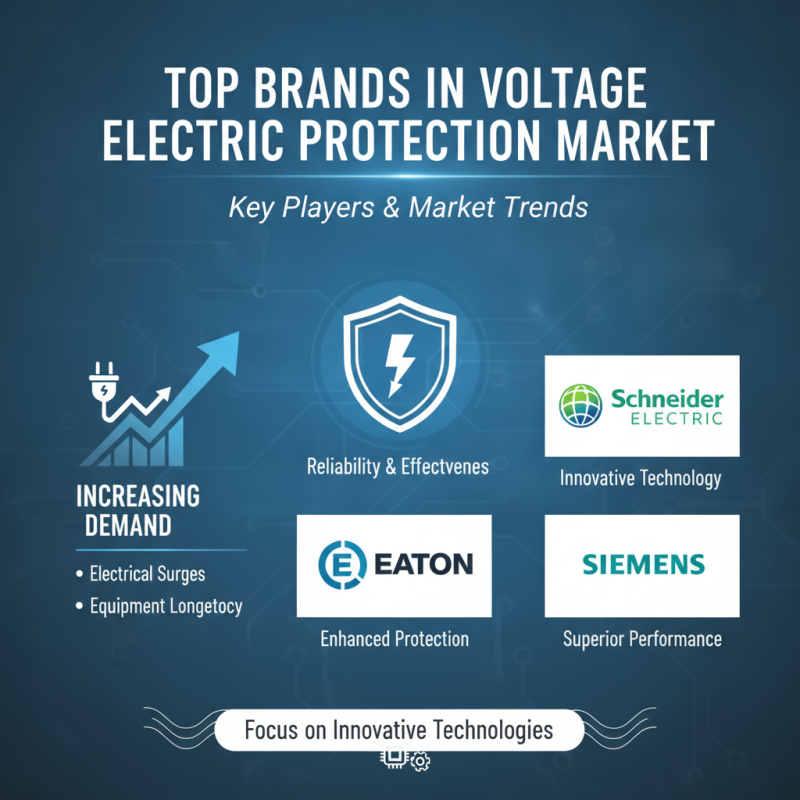
In the global market for voltage electric protection, several brands stand out for their reliability and effectiveness. Recent industry reports indicate that the demand for Electric Power Protectors is increasing. This is due to rising concerns over electrical surges and the need for equipment longevity. Key players in the market focus on innovative technologies that enhance protection and performance.
Many brands invest significantly in research and development. This results in products that meet stringent safety standards. A report by TechNavio states that the global electric power protection market is expected to grow at a compound annual growth rate (CAGR) of around 7% over the next five years. While some brands dominate the market, smaller companies are emerging, providing tailored solutions to niche markets.
However, not all brands achieve the same level of consumer trust. Some products receive mixed reviews regarding their effectiveness. Quality assurance remains a critical aspect for buyers. An informed choice relies on understanding both product specifications and user experiences. Educating oneself about Electric Power Protectors can prevent costly mistakes and safety hazards. The future of this market will depend on continuous innovation and consumer transparency.
Comparison of Different Types of Voltage Protectors
In today's world, voltage protectors play a crucial role in safeguarding electrical appliances. Various types of voltage protectors are available, each with distinct features. Surge protectors and voltage regulators are among the most common. They differ in their functionality and application, providing tailored solutions for specific needs.
Surge protectors defend against sudden spikes. They act fast, shutting down power during irregularities. According to a 2022 report by the International Electrotechnical Commission, surge-related damages cost businesses billions globally.
Voltage regulators, however, maintain consistent voltage levels, ensuring equipment runs efficiently. In scenarios with fluctuating power sources, regulators provide stable outputs.
Not all voltage protectors are created equal. Some may lack advanced features, making them less effective. Consumers should prioritize those with surge response times well below one millisecond. Products with insufficient ratings can lead to failures. Accurate specifications help prevent mistakes. As technology evolves, features like smart connectivity may emerge, but existing devices require scrutiny and periodic assessment. Making informed choices is crucial for protection against electrical hazards.
Safety Standards and Certifications for Voltage Protectors
When purchasing voltage electric protectors, safety standards are crucial. These standards ensure that protectors can handle fluctuating voltages. Recognized certifications indicate a product has been tested under strict guidelines. To ensure reliability, look for products adhering to international standards.
Voltage protectors must meet various criteria. Often, they must comply with IEC and UL standards. Compliance signifies that products can withstand electrical surges effectively. Moreover, high-quality protectors often feature built-in Contactors Electric for improved functionality. Checking for these certifications before purchase is essential.
Not all products meet these standards. Some may claim compliance but lack proper testing. This situation can be misleading for consumers. Regularly, consumers might find themselves questioning their choices. Selecting the right protector involves research and attention to detail. Always look for clear certification labels and avoid ambiguous claims.
User Reviews and Feedback on Popular Voltage Protectors
When it comes to voltage electric protectors, user reviews are invaluable. Many consumers share their experiences, emphasizing reliability and performance. Customers often highlight their peace of mind when using these devices. However, some users also note occasional performance issues. These insights are crucial for potential buyers.
Many users appreciate the simplicity of installation processes. They report quicker setups and hassle-free operations. Yet, a few have faced difficulties, requiring technical support. This discrepancy in user experience can be a concern for less tech-savvy individuals. Some reviews even mention that certain models failed to protect sensitive electronics during power spikes.
Feedback often reflects personal preferences. Some users prioritize compact designs, while others seek devices with advanced features. As a result, choices can be overwhelming. Additionally, customers have voiced concerns about long-term durability. This inconsistency raises questions about brand trustworthiness and product lifespan. Ultimately, personal experiences will guide buyers in selecting the right voltage electric protector for their needs.
Top 10 Voltage Electric Protectors for Global Buyers
| Rank | Model | Protection Type | Max Voltage | User Rating | User Feedback |
| 1 | Model A | Overvoltage Protection | 500V | 4.8 | Excellent performance and easy installation. |
| 2 | Model B | Surge Protection | 400V | 4.5 | Great build quality; however, slightly bulky. |
| 3 | Model C | Under/Over Voltage | 600V | 4.7 | Highly effective with clear indicators. |
| 4 | Model D | Lightning Protection | 550V | 4.6 | Reliable, though a bit expensive. |
| 5 | Model E | Comprehensive Protection | 750V | 4.9 | Exceptional features with high user satisfaction. |
| 6 | Model F | Voltage Stabilizer | 500V | 4.3 | Good for home use; user-friendly. |
| 7 | Model G | Phase Loss Protection | 600V | 4.4 | Great for industrial applications; durable. |
| 8 | Model H | Simple Surge Protector | 300V | 4.0 | Basic yet effective for low-cost solutions. |
| 9 | Model I | RCD Protection | 450V | 4.2 | Effective in preventing electrical faults. |
| 10 | Model J | Smart Voltage Protector | 800V | 4.8 | Innovative features with mobile monitoring. |
Purchasing Tips for Global Buyers of Voltage Protectors
When purchasing voltage electric protectors, consider a few critical factors. Understanding your needs is essential. Voltage protectors come in various forms, including surge protectors, voltage regulators, and line conditioners. Each type serves a different purpose. Surge protectors shield against voltage spikes. Voltage regulators maintain consistent voltage levels. For instance, a report by Markets and Markets estimates the global surge protection market will reach $1.22 billion by 2028, reflecting growing concerns over electrical safety.
Look for protectors with advanced features. High-energy rating, response time, and durability are vital specs. A reliable protector can greatly enhance the performance of your Electric Motor Contactor. Pay attention to certification labels, such as UL or CE. These indicate conformity to safety standards. A study by Research and Markets shows that 60% of electrical failures stem from poor voltage management. Therefore, selecting the right voltage protector is crucial for machinery longevity.
Finally, review customer feedback. Learn from others' experiences. Seek products with a proven track record. However, remember that no product is perfect. Regular maintenance is essential to ensure continued performance. Many users neglect this, leading to avoidable failures. A voltage protector should be part of a larger strategy, including proper system design and regular inspections.
FAQS
: Look for surge protection capabilities for various voltage levels. Built-in circuit breakers offer added safety against overloads.
Response time is crucial. A quicker protector reacts in microseconds to voltage spikes, providing better safety for your devices.
Ensure they comply with recognized standards like IEC and UL. This compliance shows they can handle electrical surges.
User reviews provide insights into reliability and performance. They reflect real-world experiences and potential issues.
Not all products claim compliance accurately. Some lack proper testing, which can mislead consumers about their effectiveness.
Many find installation simple, but some report challenges needing technical support. This can be tough for less experienced users.
Preferences vary; some prefer compact designs while others want advanced features. This can make selecting a product overwhelming.
Yes, some users worry about long-term durability. Inconsistencies raise questions about brand trustworthiness and lifespan.
Look for detailed insights as well as mentions of issues. Focus on patterns rather than isolated comments for better judgment.
Conclusion
In today's fast-paced technological world, ensuring the safety of electrical appliances is crucial, and that's where a Voltage Electric Protector comes in. This article provides a comprehensive overview of these devices, highlighting their key features, such as surge protection, overload prevention, and voltage regulation. It also explores the different types of voltage protectors available in the market, guiding global buyers on what to consider when purchasing one.
Furthermore, the article emphasizes the importance of understanding safety standards and certifications that guarantee the reliability of a Voltage Electric Protector. User reviews and feedback are also discussed, providing insights into real-world performance and satisfaction. With practical purchasing tips tailored for international customers, readers can make informed decisions when selecting a Voltage Electric Protector to safeguard their valuable electronics.

 +86 13868429846
 Contact Phone
 Contact Email