+86 13868429846 


Hey, so in the rapidly changing world of China’s wholesale Mcb Circuit Breaker industry, a bunch of new trends are really starting to stand out. The demand for these circuit breakers is just climbing steadily, mainly because cities are growing so quickly and infrastructure projects are in full swing. Big players like Schneider Electric and Siemens? They're quite agile, adapting pretty fast to all these shifts. Folks are really focusing on innovation and making sure safety standards are up to scratch — which is super important for building trust with customers.
On top of that, there's a noticeable shift toward being more eco-friendly. Manufacturers are experimenting with green materials and designs that save energy. But, here's the thing — it’s not always easy to find that perfect balance between keeping costs down and maintaining top-notch quality, especially when high safety regulations are in play. The market itself can be a bit unpredictable; new companies keep entering the scene, making competition even more intense.
And then, technology? It’s pushing everything forward. Smart MCB Circuit Breaker systems are becoming pretty popular — they’re all about efficiency, but yeah, they also require a hefty investment to develop. As the market matures, there are still some gaps when it comes to understanding and servicing the products, which makes things a bit tricky for everyone involved. So, if you're looking to make your mark here, you’ve gotta be ready to handle these ups and downs — it's a promising field, but definitely with its fair share of challenges.

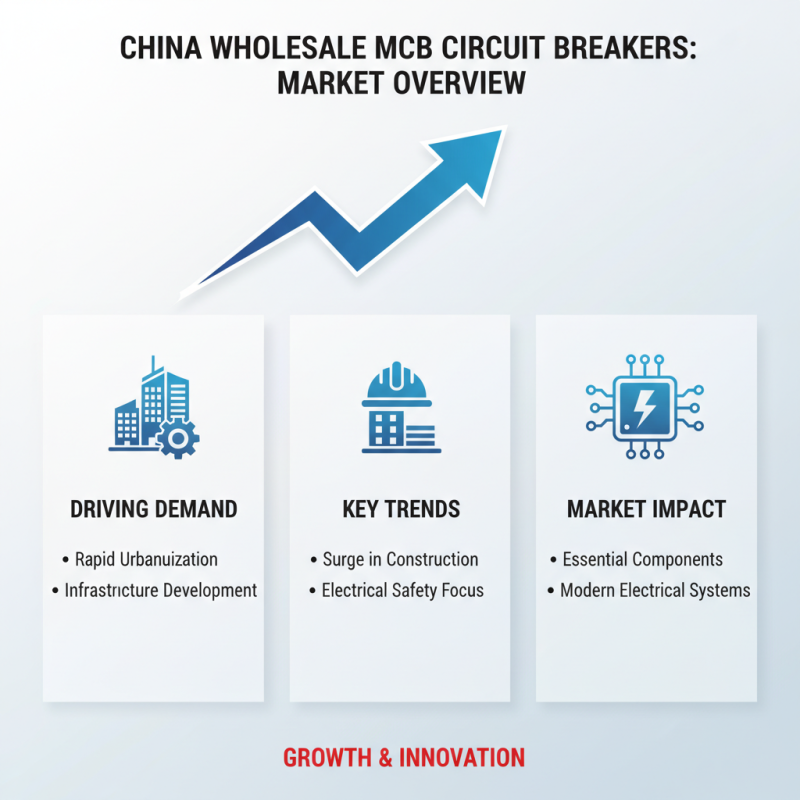
The China wholesale MCB circuit breaker industry is experiencing significant changes. Rapid urbanization and infrastructure development drive demand. A surge in construction projects requires efficient electrical safety devices. As a result, MCB circuit breakers are now essential components in modern electrical systems.
However, challenges persist in this vibrant market. Many manufacturers struggle with quality control. Some products fail to meet safety standards. These inconsistencies create concerns among wholesalers. Additionally, price competition is intense. Lower-priced options often compromise quality. This raises questions about long-term reliability.
Sustainability is becoming a topic of discussion in the industry. Manufacturers are exploring eco-friendly materials. This shift could attract environmentally conscious buyers. Yet, many companies are not fully committed to this change. Balancing cost and environmental impact remains a challenge. The future of the MCB circuit breaker sector seems promising, but vigilance is necessary. Each stakeholder must reflect on their role in this evolving landscape.
The MCB circuit breaker industry in China is undergoing notable technological advancements. One significant trend is the development of Dc MCB technologies. These breakers enhance efficiency in direct current applications. They minimize energy loss and improve operational lifespan. The design incorporates advanced materials that withstand higher temperatures. This innovation is crucial for industries relying on renewable energy sources.
Another key area is the design of Ac Mcb systems. These circuit breakers focus on safety and reliability. They feature smarter sensors that detect overloads faster. Enhanced user interfaces are also emerging, providing better control. However, there are challenges in ensuring compatibility with older systems. Manufacturers struggle with the integration of new technologies. Striking a balance between innovation and existing infrastructures is essential.
Furthermore, continuous testing and feedback loops improve the design process. Every iteration provides insights, but perfection remains elusive. Some designs may still face compliance issues. Addressing these challenges requires collaboration across the industry. The evolution of Dc circuit breaker solutions highlights the potential for growth. Embracing these advancements is vital for future success.
The MCB circuit breaker industry in China is heavily influenced by government regulations. These regulations often dictate safety standards and compliance requirements. A recent report indicates that around 70% of manufacturers find it challenging to adapt to these evolving rules. The need for MCB compliance can lead to increased production costs.
In 2025, the Chinese market for Mcb Miniature Circuit Breakers is expected to reach approximately $12 billion. This growth comes despite regulatory hurdles. Compliance can be difficult for smaller producers. Many struggle to meet the stringent safety measures imposed by the government. Data shows that failure to comply can result in costly fines or production halts.
Moreover, the complexity of regulations often leads to confusion. Many stakeholders question the clarity of guidelines. This uncertainty can hinder innovation in the MCB sector. The influence of government regulations is both a safeguard and a potential roadblock. Adapting to these changes requires ongoing effort and investment in technology.
| Trend | Impact Level | Government Regulation Type | Forecasted Growth Rate (%) |
|---|---|---|---|
| Smart Circuit Breakers | High | Energy Efficiency Standards | 15% |
| Renewable Energy Integration | Medium | Incentives for Solar Energy | 10% |
| Increased Safety Regulations | High | Safety Compliance Mandates | 12% |
| Emerging Markets Demand | Medium | Trade Tariff Adjustments | 8% |
| Digitalization and IoT | High | Digital Innovation Policies | 20% |
The wholesale MCB circuit breaker industry in China is witnessing a shift towards energy efficiency and sustainability. Manufacturers are focusing on reducing energy consumption and minimizing waste. New technologies are being adopted to enhance performance while lowering environmental impact. These efforts align with global sustainability goals, promoting cleaner energy usage.
A noticeable trend is the increase in eco-friendly materials. Many companies are exploring alternatives that have a lower carbon footprint. However, some still rely on traditional materials, raising questions about their commitment to sustainability. The challenge lies in balancing cost and environmental responsibility.
Energy efficiency is becoming a key selling point. The latest circuit breakers are designed to minimize energy loss during operation. This focus not only helps in reducing bills but also encourages wider adoption. Yet, some industries remain skeptical about the upfront investment. Addressing these concerns is essential for progress. As the industry evolves, continuous improvement is necessary.
The global supply chain dynamics significantly influence the MCB circuit breaker industry, especially in China. The shift toward renewable energy sources brings increased demand for specialized products like the DC circuit breaker. These devices are critical in solar energy applications, particularly for solar MCBs, which ensure efficient energy distribution.
Manufacturers face challenges with material shortages and fluctuating costs. Supply chain disruptions can delay production schedules. This often leads to increased prices and customer dissatisfaction. Companies must adapt quickly to these changes. It’s essential to evaluate logistics and sourcing regularly.
Tips: Focus on building strong relationships with suppliers. This can help mitigate risks during uncertain times. Diversifying supply sources could also offer more stability. Regularly reviewing market trends will keep your business competitive. Remember, agility in decision-making is crucial in a changing market landscape.
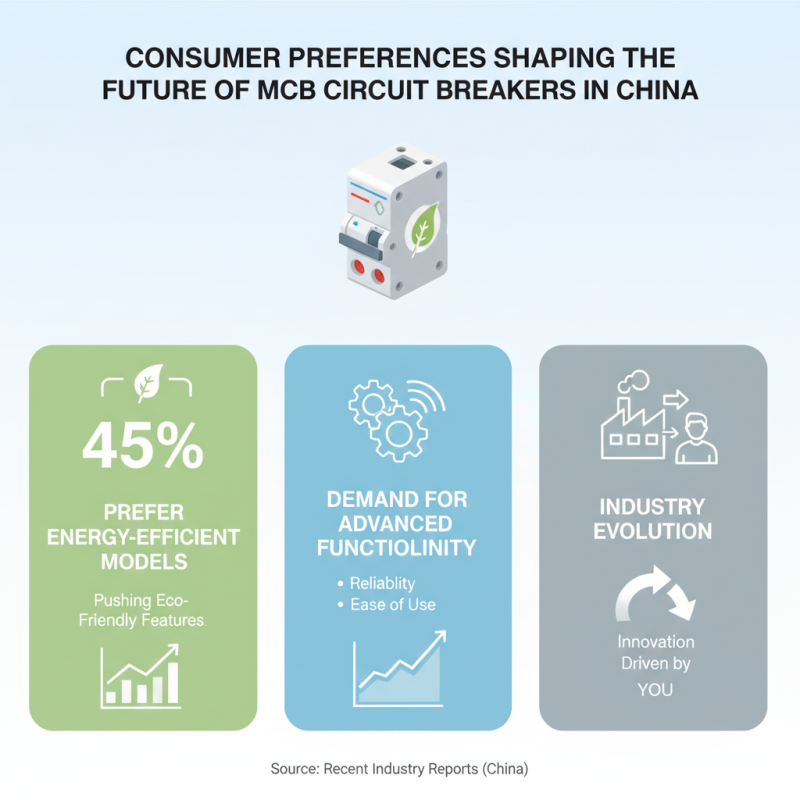
The MCB circuit breaker industry in China is evolving rapidly. Consumer preferences are now at the forefront of innovation. According to recent industry reports, around 45% of consumers prefer energy-efficient models. This trend pushes manufacturers to prioritize eco-friendly features in their products. The demand for advanced functionality is increasing. Customers want reliability and ease of use.
There is also a growing interest in DC Circuit Breakers, particularly in solar applications. With more households adopting renewable energy, the market for PV MCBs is expanding. A study highlighted that installations of DC MCB 4P options rose by 30% in the last year. However, there are challenges. Some consumers remain hesitant about the long-term benefits. Reliability and cost-effectiveness are still major concerns for many.
Another interesting aspect is customization. Many users are looking for products that fit specific needs. Customized solutions can enhance safety. Yet, manufacturers face difficulties in balancing production efficiency with personalization. It's a tightrope walk. The industry must keep up with these changing preferences while ensuring quality and affordability.
The competitive landscape of China's MCB (Miniature Circuit Breaker) market is evolving rapidly. In 2023, the market size reached approximately $1.2 billion. This growth is driven by rising demand for electrical safety and automation in various sectors. Major players are focusing on technological innovations and expanding their production capabilities.
Despite the robust growth, challenges persist. Many small-sized manufacturers struggle to keep up with stringent safety regulations. Quality certifications are a barrier for new entrants. Additionally, the ongoing trade tensions affect supply chains. Such factors create a mixed environment, where companies must adapt quickly.
Major companies are investing in smart technologies. Research shows that around 30% of the market is shifting towards intelligent MCBs. These products offer enhanced monitoring and control features. However, many traditional manufacturers remain risk-averse, hesitant to transition. This hesitation could lead to missed opportunities in an innovative market. Balancing tradition with technology remains a critical area for reflection.
: Rapid urbanization and infrastructure development are driving the demand. Increased construction projects require efficient electrical safety devices.
Many struggle with quality control and some products fail to meet safety standards. This creates concerns for wholesalers.
Regulations dictate safety standards that many manufacturers find hard to adapt to, increasing production costs.
It is projected to reach approximately $12 billion, despite regulatory challenges faced by smaller producers.
Some explore eco-friendly materials, but many are not fully committed. Balancing cost with environmental impact is challenging.
Companies are investing in smart technologies. About 30% of the market is shifting towards intelligent MCBs with advanced features.
Many traditional manufacturers are risk-averse and may miss opportunities for innovation in a rapidly changing market.
Intense price competition often leads to lower-quality products, raising concerns about long-term reliability and trustworthiness.
Confusion about guidelines can hinder innovation, making it difficult for stakeholders to keep up with evolving standards.
Each stakeholder should reflect on their adaptability, quality assurance, and commitment to meeting both safety and sustainability standards.
The article explores the evolving landscape of the China wholesale MCB circuit breaker industry, highlighting the current market dynamics and growth potential. It emphasizes key technological advancements in design that enhance performance and reliability, alongside the significant influence of government regulations that shape operational standards and safety requirements.
Additionally, the article discusses emerging trends focused on energy efficiency and sustainability practices, reflecting a growing consumer preference for eco-friendly solutions. The global supply chain dynamics are also addressed, illustrating how external factors impact the availability and distribution of MCB circuit breakers. Overall, these insights contribute to a comprehensive understanding of the competitive landscape in the Chinese market, poised for innovation and development in the coming years.