Lately, the Open Contactor scene in China has really been catching the eye of buyers around the world. Lots of reports are pointing to steady growth—some say it’s going to hit a compound annual rate of about 5.8% through 2025. Why’s that? Well, companies everywhere are looking for more flexible ways to manufacture things faster and more cost-effectively. I mean, just ask experts like Dr. John Lee, who’s big on contract manufacturing—he’s often saying, ‘The open contactor model gives you agility that traditional methods just can’t match.’ That’s pretty much the main reason why it’s gaining traction. Being adaptable is a game-changer, especially for companies trying to cut down on lead times and keep costs down.
Big names like Foxconn and Jabil have jumped on this bandwagon and are doing pretty well by using the open contactor approach. They’re making a real splash across different industries, thanks to their ability to innovate within this model. But, to be honest, not every company is up to par—some struggle with maintaining the high-quality standards that international clients expect. Communication hiccups and quality control issues pop up more often than you'd hope, so picking the right partner really matters.
With fierce global competition out there, it’s more important than ever to really understand what each open contactor can and can’t do. It’s not just about how much they can produce—it’s about how quickly they respond and how reliable they are too. Striking the right balance between affordable prices and top-notch quality isn’t easy, and buyers have to navigate this tricky landscape carefully to find the right fit.

Top Open Contract Manufacturers in China: An Overview
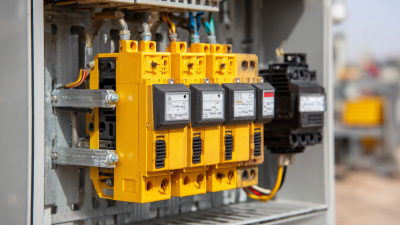
China stands out as a key player in the open contract manufacturing landscape. Many global buyers turn to China for its cost-effective solutions and vast production capabilities. The country's infrastructure supports various industries, allowing for quick turnaround times. Manufacturers often specialize in specific products, such as Ac Contactor Magnetic Contactor, which has seen increased demand in the electronics sector.
When selecting a contract manufacturer, buyers should consider a few critical factors. First, ensure the company has experience in your particular industry. A reliable partner will understand compliance and quality standards. Communication is equally important. Establish clear lines of communication to avoid misunderstandings.
Tip: Always visit potential suppliers to gauge their operations. This can reveal their commitment to quality and reliability. Another suggestion is to seek testimonials or case studies from previous clients. It’s a good way to assess their track record. Remember, the right partner can significantly impact your product’s success. Stay vigilant and conduct thorough research.
Top Open Contract Manufacturers in China: Production Capacity Analysis
This chart illustrates the estimated production capacities of various open contract manufacturers in China, showing the potential output in millions of units across different product categories.
Key Industries Using Open Contract Manufacturing in China
Open contract manufacturing has seen increased demand across various industries in China. Electronics is one of the key sectors leveraging this model. Companies design their products and outsource manufacturing to specialized firms. In this ecosystem, different players utilize unique expertise. By partnering with experienced manufacturers, businesses gain access to advanced technologies. As a result, they can improve efficiency, reduce costs, and scale rapidly.
Medical devices represent another significant area utilizing open contract manufacturing. This industry requires stringent quality controls. Manufacturers must meet compliance standards while delivering innovative solutions swiftly. The rise of telemedicine has spurred demand for devices like Contactors and Contactor Relays. These components enhance the functionality of various equipment. However, ensuring quality and reliability in production remains a challenge for many players in the market.
Moreover, the automotive sector is increasingly tapping into this model. Automotive manufacturers seek flexibility in their supply chains. By engaging contract manufacturers, they can adapt quickly to market changes. This adaptability is crucial as electric vehicles gain traction. The complexity of modern automobiles demands precision. While many companies succeed in this endeavor, some struggle with consistency in quality. This inconsistency can lead to production delays and affect overall project timelines.
Market Share Analysis of China's Contract Manufacturing Sector
China's contract manufacturing sector plays a crucial role in the global supply chain. Manufacturers in this area have become leaders due to competitive pricing and advanced technology. Many companies rely on these manufacturers to deliver quality products efficiently. Market share in this sector is dominated by a handful of key players, showcasing their influence.
However, not all companies meet the same standards. Quality inconsistencies can arise. Some manufacturers may prioritize cost over quality, leading to issues. It's vital for global buyers to continuously assess suppliers. Understanding the market can help mitigate risks.
Additionally, the landscape is evolving. New players enter, focusing on sustainability and innovation. This shift might change market dynamics. Buyers should keep track of emerging trends and adapt. Emphasizing reliability is crucial for maintaining a successful partnership with manufacturers in China.
Leading Open Contract Manufacturers: Profiles and Capabilities
In the world of manufacturing, open contract manufacturers in China stand out. They offer flexibility for global buyers. These manufacturers tailor their services to diverse needs. Many specialize in electronics, textiles, or consumer goods. Their capabilities are impressive, with advanced machinery and skilled labor.
Tips: Always assess the manufacturer's production capacity. Understand their specialization before engaging. This will save time and resources.
Quality control is another priority. Most facilities implement rigorous standards. Some even follow international guidelines. However, not all manufacturers have the same level of compliance. It’s essential to conduct audits and site visits. This guarantees that the quality aligns with your expectations.
Tips: Communication is key. Clear dialogue ensures that requirements are met. Misunderstandings can lead to costly mistakes.
Working with open contract manufacturers can be rewarding. But it requires attention to detail. The right partner can provide significant advantages in the global market. Be thorough in your research to avoid pitfalls.
Quality Assurance Standards in Chinese Contract Manufacturing
In the realm of contract manufacturing in China, quality assurance is paramount. Many global buyers prioritize stringent standards for manufacturing processes. Data from recent industry reports show that adherence to international ISO certifications boosts factory credibility. Approximately 70% of Chinese manufacturers have begun implementing ISO 9001 standards to improve product quality. This change reflects a growing awareness of international market demands.
However, not all manufacturers are consistent in their quality assurance practices. A study indicated that about 30% of factories may struggle with compliance due to inadequate training or outdated technology. Such gaps can compromise product integrity, leading to supply chain disruptions. Buyers must conduct thorough audits. Utilizing third-party inspections can also ensure that production aligns with set standards. The concept of “2p Contactor” emerges prominently here, symbolizing the need for collaboration in achieving quality benchmarks across the board.
Trust remains a crucial issue for buyers navigating this complex landscape. Inconsistent quality across different regions can lead to significant losses. Regular assessments are essential. Many companies are investing in training programs for their workforce to counteract these challenges. As the industry evolves, maintaining high-quality services is no longer an option but a necessity for global competitiveness.
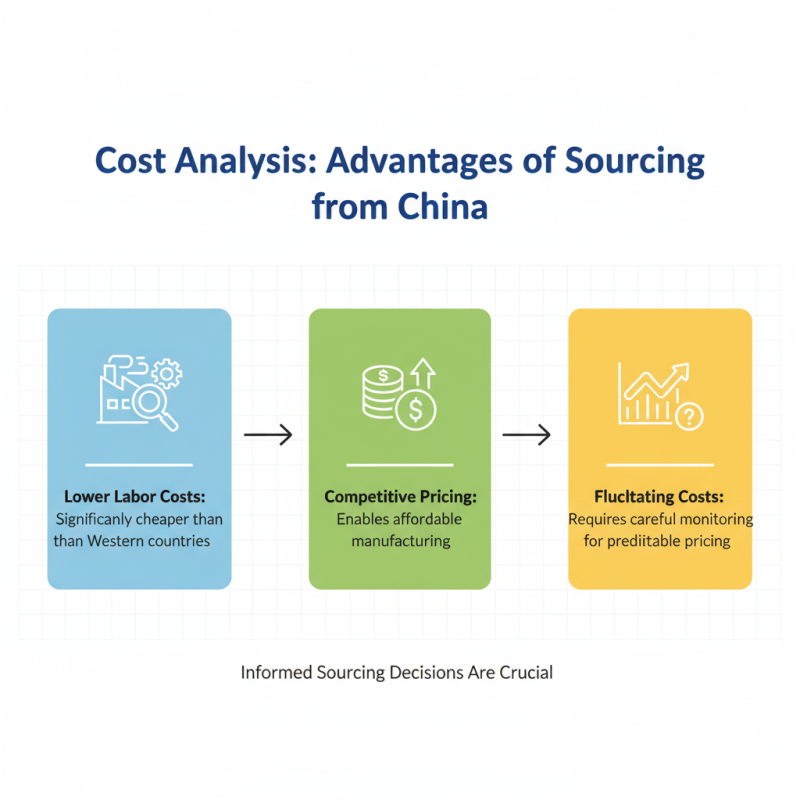
Cost Analysis: Advantages of Sourcing from China
Sourcing from China presents a variety of cost advantages for global buyers. Labor costs remain significantly lower compared to many western countries. This offers manufacturers the chance to produce goods at competitive prices. However, fluctuating labor costs can lead to unpredictable pricing. Understanding these shifts is crucial for informed sourcing decisions.
Additionally, China's extensive supply chain ecosystem creates efficiencies. Proximity to raw materials reduces transportation costs and time, benefiting overall production timelines. Yet, reliance on certain materials can pose risks. Disruptions in supply may lead to delays. Buyers should consider the reliability of sourcing networks.
Quality control is another concern when manufacturing in China. Many manufacturers offer competitive pricing but may compromise on quality. It's essential for global buyers to establish rigorous quality checks. This requires clear communication and consistent monitoring throughout the production process, as assumptions can lead to costly mistakes. Balancing cost with quality can be challenging but is critical for success.
Future Trends in Open Contract Manufacturing in China
The open contract manufacturing landscape in China is evolving rapidly. Many companies are turning to this model for its flexibility and cost-effectiveness. Future trends indicate a shift toward greater customization. Buyers increasingly seek manufacturers that can adapt to specific requirements and innovate on-demand. This individual attention fosters stronger partnerships.
Technology will play a key role in shaping the industry. The integration of automation and AI is on the rise. These innovations can enhance efficiency and quality, providing a competitive edge. For example, advanced robotics streamline production processes. They reduce human error and can operate around the clock. However, not all manufacturers keep pace. Some still rely on outdated methods.
Sustainability is also becoming essential. Companies face pressure to adopt eco-friendly practices. Commitment to environmental standards can attract global buyers. However, the transition may pose challenges. Many manufacturers struggle with cost implications while trying to meet green certifications. Yet, those who succeed will likely secure a stronger foothold in the market. Contactor 9a highlights these trends, emphasizing the need for flexibility in partnerships.
Optimizing Electrical Circuits with the Micro Contactor Rail-Mounted 2P63A4: A Comprehensive Guide to Modular AC Contactors
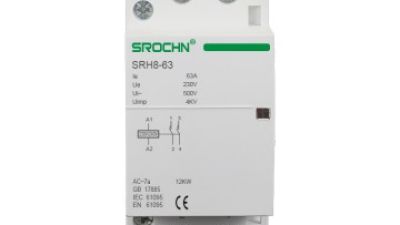
In today's fast-paced world, optimizing electrical circuits is essential for enhancing efficiency and ensuring the reliability of power distribution. Modular Ac Contactors, such as those designed for household applications, play a crucial role in this optimization process. The Micro Contactor Rail-Mounted 2P63A4, which can handle a rated working current of up to 63A and a maximum voltage of 400V, offers exceptional performance for controlling various household appliances. These contactors are specifically tailored to operate in circuits with frequencies of 50Hz or 60Hz, making them highly versatile for residential environments.
The SRH8 series represents a significant advancement in household AC contactor technology, focusing on low-inductance and micro-inductance loads. Due to their advanced design, these contactors facilitate the automation of electrical systems not only in homes but also in hotels and apartments. Industry reports indicate that the adoption of AC contactors in residential settings is increasing, driven by the demand for smart home technologies and energy-efficient solutions. In fact, projections estimate a compound annual growth rate (CAGR) of over 7% in the market for residential electrical components over the next five years.
Moreover, the appropriate selection and application of these contactors can lead to substantial cost savings and improved energy management. They allow for the seamless control of household electric loads, such as lighting and HVAC systems, thus optimizing energy consumption without compromising performance. As energy efficiency continues to be a priority for both consumers and manufacturers, the integration of modular AC contactors becomes more critical in achieving these goals while maintaining safety standards and operational reliability.
FAQS
: Key industries include electronics, medical devices, and automotive sectors. Each benefits from specialized manufacturing expertise.
By outsourcing production, companies access advanced technologies. This reduces costs and allows for rapid scaling of operations.
They must meet strict quality controls and compliance standards. Ensuring reliability in production is often difficult and requires focus.
They seek flexibility in supply chains. This adaptability helps them respond quickly to changes in market demands, especially for electric vehicles.
Automation and AI are on the rise, enhancing production efficiency. However, some manufacturers are slow to adopt these advancements, impacting their competitiveness.
Buyers are increasingly looking for manufacturers that can tailor solutions to specific needs. This helps in building stronger partnerships.
Companies face pressure to adopt eco-friendly practices. While this may be challenging and costly, success could strengthen market positioning.
No, many still rely on outdated methods. This can hinder their effectiveness and make them less competitive in the market.
Inconsistencies in quality can lead to delays. Such issues can affect overall project timelines and customer satisfaction.
Innovation and customization are critical. They foster better collaboration and align manufacturing capabilities with buyer demands.
Conclusion
The article "Top Open Contract Manufacturers in China for Global Buyers" provides a comprehensive overview of the landscape of open contract manufacturing within China. It highlights key industries that leverage these services, showcasing the diverse applications and sectors that benefit from open contract manufacturing. A market share analysis outlines the significant position China holds in the global contract manufacturing sector, while profiles of leading open contract manufacturers reveal their capabilities and specialization.
Additionally, the importance of quality assurance standards is emphasized, ensuring that manufacturers meet international benchmarks. A cost analysis demonstrates the competitive advantages of sourcing from China, making it a strategic choice for global buyers. Lastly, the article discusses future trends in open contract manufacturing, predicting continued growth and innovation in this pivotal market.

 +86 13868429846
 Contact Phone
 Contact Email