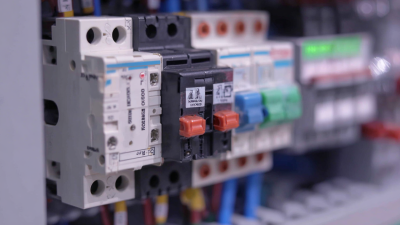
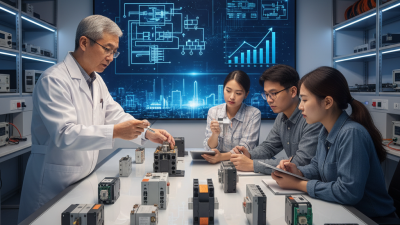
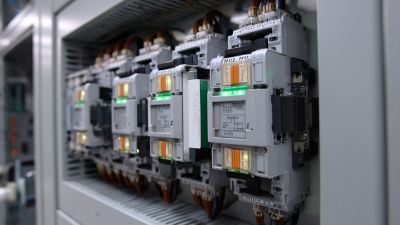
In the fast-paced world of industrial automation, choosing the right components isn't something to take lightly. Take the Electronic Contactor, for example — it's a really key piece when it comes to managing electrical circuits. As John Smith, a seasoned engineer over at ElectroTech Solutions, puts it, "Getting the right Electronic Contactor can truly make or break your system’s reliability."
Picking an Electronic Contactor isn’t just about looking at specs on paper. It’s about really understanding what your applications need. For buyers around the globe, that means paying attention to quality, how durable the component is, and whether the manufacturer is reputable. Honestly, with so many options out there, it can get pretty overwhelming. If you go for the wrong one, you might face system failures, costly repairs, or worst of all, safety issues.
When sourcing Electronic Contactors, quality should be your top priority. Do your homework on the manufacturers — check out their experience and track record. Companies that are reliable usually show it through ongoing innovation and by sticking to safety standards. But, hey, even the most trusted brands aren’t perfect all the time, so it’s smart to do some research to make sure you’re making a well-informed choice.
Overview of Electronic Contactors in China
China's electronics manufacturing sector has seen remarkable growth in recent years. Electronic contactors, essential components for controlling electrical equipment, play a crucial role in this industry. They manage high voltage currents and provide reliable solutions for automation.
Manufacturers in China produce a wide array of electronic contactors. These devices cater to various sectors, including industrial machinery and residential applications. The quality of these products often varies, making it essential for global buyers to conduct thorough research. Understanding the specifications, ratings, and certifications of contactors is vital.
While many Chinese manufacturers offer competitive prices, not all meet international standards. Some products may lack adequate safety features. Buyers should prioritize suppliers who emphasize quality assurance. Establishing long-term relationships with reliable manufacturers can help mitigate risks. Testing samples before large orders is advisable. This approach ensures that the chosen contactors are fit for purpose. It also helps in building trust and accountability in sourcing.
Importance of Electronic Contactors in Global Markets
Electronic contactors are critical components in various applications worldwide. Their role in electronic appliances is undeniable, as they help manage electrical currents safely. This ensures efficiency and longevity in devices. A report from MarketsandMarkets highlights that the global market for electronic contactors is expected to reach around $5.8 billion by 2026, reflecting a significant growth in demand.
In industrial operations, electronic contactors are vital. They offer reliability and help prevent power-related failures. With increasing automation, the need for efficient voltage management is greater than ever. Electronic appliances, such as the Electronic Appliances Voltage Protector, play an important role in safeguarding systems from surges. Additionally, professional insights suggest that failing to use adequate protection can lead to costly downtimes and repairs.
Safety standards continue to evolve, emphasizing the importance of quality in electronic contactors. However, not all manufacturers adhere to these standards, leading to inconsistencies in product performance. This gap highlights the need for buyers to do thorough research. Understanding a product’s specifications can prevent setbacks in complex electrical systems. Balancing quality and cost remains a challenge for many global buyers.
Top 10 China Electronic Contactors for Global Buyers
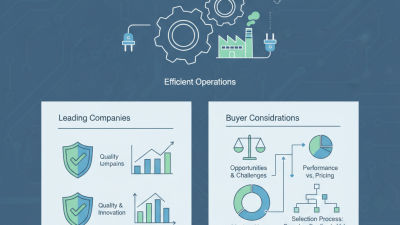
This chart illustrates the projected market share of various electronic contactors based on recent industry insights. The importance of electronic contactors in global markets is underscored by their substantial demand across different sectors.
Criteria for Selecting Quality Electronic Contactors
When selecting quality electronic contactors, several criteria are essential. The materials used in construction directly impact durability and performance. High-quality metals or plastics resist corrosion and wear. Check the specifications for insulation properties. Safety ratings also matter. Contactors should have certifications for electrical safety and environmental standards.
Another critical factor is the operational voltage and current ratings. Ensure the contactors meet your system's requirements. Reliability is crucial; contactors should perform consistently under varying conditions. Look for products with a proven track record in industrial applications. User reviews can provide insights into long-term performance and any potential issues.
Testing is important. If possible, evaluate samples before a bulk purchase. Check the operating temperature range and cycle life. Feedback from existing users often reveals strengths and weaknesses that specifications do not show. Remember, not all products work well in every situation. Analyze past issues and be open to adjusting your criteria based on your findings.
Top Manufacturers of Electronic Contactors in China
When considering electronic contactors, China stands out as a leading manufacturing nation. Recent industry reports indicate that China accounts for about 45% of the global electronic contactor market. This dominance is driven by both quality and production capacity. Manufacturers in China are continually adapting to advancements in technology, ensuring their products meet international standards.
In addition to production volume, the comparative pricing is another reason global buyers explore Chinese markets. Electronic contactors produced in China often feature competitive pricing while maintaining reliable performance. For example, the Ac Contactor Magnetic Contactor segment has seen significant growth due to rising demand in industrial automation sectors. Buyers should carefully evaluate specifications and certifications to ensure product reliability.
Tips: Always verify the manufacturer’s credentials. Reviews from other buyers can provide insights into quality and durability. Be wary of products that seem too good to be true, as such cases might hide quality issues. Assessing potential suppliers on platforms focused on industry standards can also help in making informed decisions. Keep an eye on industry trends, as this can lead to better purchasing strategies and enhance your supply chain management.
Features and Specifications of Leading Contactors
In the realm of electronic contactors, selecting the right component is crucial for efficient operation. Global buyers increasingly prioritize features like durability, current ratings, and automation compatibility. Recent industry reports indicate that contactors with high thermal and electrical resistance are dominating the market. These features directly influence reliability and longevity, which are key attributes for manufacturers.
One striking trend is the move towards smart technology. Smart contactors offer enhanced control and monitoring capabilities. They can reduce energy consumption by up to 30%, according to data from leading market analysts. This evolution reflects a growing demand for connectivity in industrial applications. Additionally, many buyers now seek contactors with built-in protection features. Such innovations help prevent system failures and promote operational efficiency.
However, potential pitfalls exist. Not all manufacturers provide clear information on specifications or compliance with international standards. This lack of transparency may lead to misinformed choices. Buyers should conduct thorough research and consider testing products under actual conditions. As technology advances, adapting to new standards and features becomes essential for maintaining a competitive edge.
Comparative Analysis of Top China Contactors
China has emerged as a pivotal player in the global contactor market. The industry's growth is driven by rising demand for electrical equipment. In 2022, the global contactor market size reached approximately $12 billion, with projections indicating a compound annual growth rate (CAGR) of 5.3% through 2028.
A comparative analysis of top China contactors reveals significant variations in technological features. Many manufacturers prioritize energy efficiency and durability in their designs. However, inconsistencies in quality standards persist across brands. Some contactors exhibit superior performance but lack adequate warranty policies. This gap raises questions about reliability in various applications.
Innovative features like smart technology integration are becoming more common. These advancements allow contactors to communicate with other systems, improving performance metrics. However, cost remains a barrier for many buyers. The challenge lies in achieving a balance between advanced technology and affordability. Many consumers are left pondering whether higher prices truly equate to higher quality in the realm of contactor relays. The landscape remains competitive, yet it demands careful consideration and scrutiny.
Future Trends in the Electronic Contactor Industry
The electronic contactor industry is on the brink of transformation. With the rise of smart technologies, the demand for innovative contactor solutions increases. Global buyers now seek electronic contactors that integrate seamlessly with automation systems. One notable trend is the growing popularity of low-voltage solutions, such as the 2p Contactor. It offers versatility for various applications in both residential and industrial sectors.
As energy efficiency becomes essential, manufacturers focus on developing contactors that consume less power. This shift reflects a broader commitment to sustainability. However, the quest for efficiency sometimes overlooks the need for reliability. Selecting a contactor entails balancing performance and energy savings. Buyers must be vigilant in assessing the reliability of components.
Moreover, connectivity features are gaining traction. Modern contactors can connect to the IoT, enabling remote monitoring and control. Despite the promising advantages, the integration process can pose challenges. Technical issues may arise when linking various systems. This area requires careful consideration and expertise to ensure smooth operation.
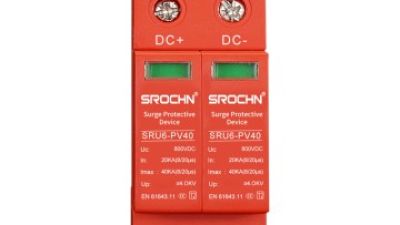
Enhancing Protection: Insights from Industry Data on the 2P 800VDC T2 40kA Surge Protective Device's Efficacy Against Surge Events
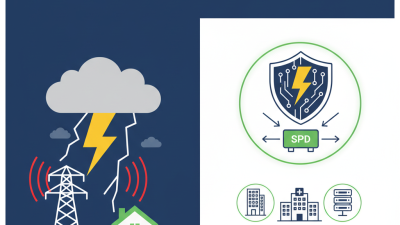
In today’s industrial landscape, where high voltage DC systems are becoming increasingly common, safeguarding these applications against surge events is crucial. The 2P 800VDC T2 Surge Protective Device (SPD) stands out as an effective solution, specifically designed to counteract the dangers posed by lightning strikes and transient overvoltages. With a maximum discharge capacity of 40kA and a nominal discharge current of 20kA, this device ensures reliable protection, thereby extending the lifespan of critical electronic equipment and maintaining operational integrity.
Constructed with a durable plastic housing, the 2P 800VDC T2 SPD not only provides excellent electrical insulation properties but also guarantees mechanical stability, which is essential in demanding environments. Its compact design offers a significant advantage in space-constrained settings, allowing for seamless integration into various industrial and commercial applications. As organizations continue to adopt high voltage DC systems, leveraging advanced protection technology becomes vital in mitigating risks associated with surge events, ensuring both safety and performance.
FAQS
: In 2022, the global contactor market was approximately $12 billion.
Rising demand for electrical equipment is a major growth driver.
Many prioritize energy efficiency and durability, but quality standards vary.
Some contactors perform well but have inadequate warranty policies, raising reliability concerns.
The integration of smart technologies is becoming popular among buyers.
Many consumers question if higher prices truly mean better quality.
Buyers must balance performance with energy savings and reliability.
Many contactors now connect to IoT for remote monitoring and control.
Technical issues may occur during system integration, requiring expertise.
While energy efficiency is crucial, it can sometimes compromise reliability.
Conclusion
The "Top 10 China Electronic Contactors for Global Buyers" article provides an in-depth overview of electronic contactors produced in China, highlighting their significance in various global markets. It discusses the key criteria for selecting high-quality electronic contactors, emphasizing aspects such as durability, performance, and compliance with international standards.
Additionally, the article examines the top manufacturers in China, focusing on their distinctive features and specifications. A comparative analysis of these leading contactors reveals their strengths and weaknesses, aiding buyers in making informed decisions. Finally, the article addresses future trends in the electronic contactor industry, shedding light on innovations and market shifts that may influence global demand. Overall, understanding the landscape of electronic contactors from China is crucial for global buyers seeking reliable and efficient solutions.

 +86 13868429846
 Contact Phone
 Contact Email