When it comes to staying safe around electricity, it’s really important to get a good handle on the different kinds of Mcb Mini Circuit Breakers. These handy devices protect your electrical circuits from overloads and short circuits—stuff you definitely don't want to mess with. Knowing a bit about their features can help you make smarter choices. Now, there are several types of Mcb Mini Circuit Breakers out there, each tailored for specific uses.
For example, some are meant for home wiring projects, while others are built for heavy-duty industrial setups. Picking the right one really matters if you want your system to be both reliable and safe. But here’s the thing—many folks skip over the details when choosing these, and honestly, that’s where problems can pop up later on. A little extra knowledge can save you from a lot of headaches.
In this guide, I’ll walk you through the top 10 types of Mcb Mini Circuit Breakers you should know. Each has its own special features and best-use cases, so understanding them can help you avoid common mistakes and keep everything running smoothly. Making an effort to learn about these vital components of your electrical system is definitely worth it—trust me, it pays off in the long run.
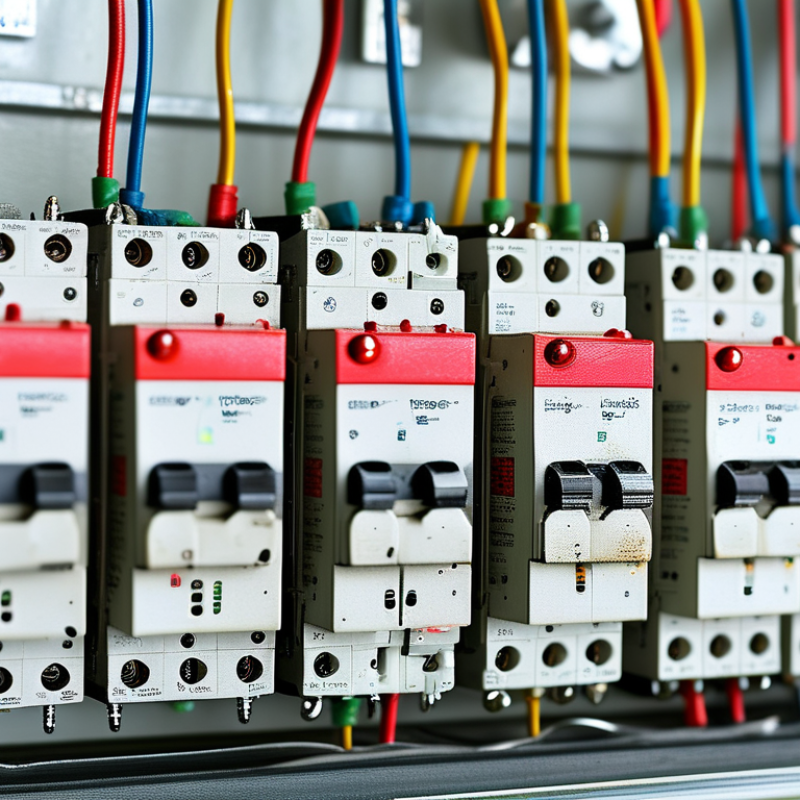
Top 10 MCB Types Explained: Understanding Their Functionality and Applications
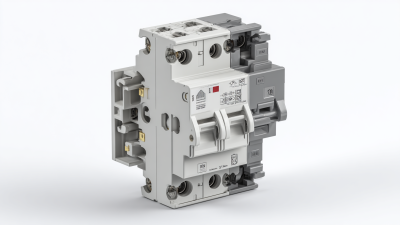
Understanding the different types of Mini Circuit Breakers (MCBs) is crucial for efficient electrical safety and management. MCBs are designed to protect electrical circuits from overloads and short circuits. Among the various types available, the 2p Mini Circuit Breaker Mcb stands out for its dual-pole functionality. This type is essential for circuits requiring a two-wire connection. Its use in residential and commercial settings provides reliability and safety.
The functionality of MCBs varies across types. For instance, Type B MCBs are perfect for lighting circuits, while Type C is better suited for inductive loads. Understanding these distinctions helps in selecting the right MCB for your specific needs. Data from the International Electrotechnical Commission indicates that proper circuit protection can reduce electrical failures by over 40%. Thus, making informed choices about circuit breakers is vital.
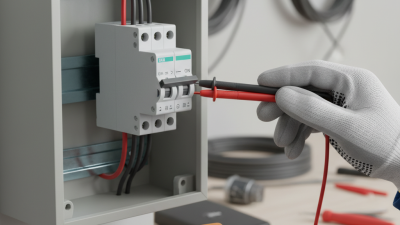
Tip: When selecting an MCB, consider the load type and the required response time for tripping. Moreover, ensure installation is done by certified professionals. Inadequate installation can lead to failures, undermining the purpose of having MCBs. Finally, regularly check your circuit breakers to ensure they are functioning optimally. Regular inspections can enhance safety and prolong the life of your electrical systems.
Overview of Mini Circuit Breakers: Definition and Purpose in Electrical Systems
Mini circuit breakers (MCBs) are essential components in modern electrical systems. They automatically disconnect electricity in case of faults, helping to protect wiring and devices. By doing so, they prevent potential hazards like electrical fires or equipment damage. MCBs essentially serve as a safeguard in our daily electrical usage.
Understanding the different types of MCBs can enhance safety and efficiency. There are various MCBs based on their trip characteristics. For example, Type B MCBs are ideal for residential uses, while Type C is more suited for industrial applications. Such distinctions matter significantly in circuit protection.
However, not every instance is perfect. Selecting the right MCB requires careful consideration of your specific needs. Factors like current rating and load types can complicate decisions. It's essential to consult with qualified professionals to ensure the correct application of these devices. Without proper advice, errors could lead to serious implications in electrical safety. Being meticulous in your choices can make a significant difference.
Single Pole vs. Double Pole MCBs: Key Differences and Use Cases
When it comes to circuit breakers, understanding the differences between single pole and double pole MCBs is crucial. Single pole MCBs are primarily used for lighting circuits and small appliances. They protect one phase and are often sufficient for low-power requirements. According to industry reports, around 70% of residential installations utilize these devices. However, they may not offer adequate safety for larger circuits.
On the other hand, double pole MCBs, such as the Mcb Ac Mini Circuit Breaker, are designed for higher voltage applications. They manage two phases, providing enhanced protection for heavier electrical loads. In commercial settings, their usage sees a significant increase, with about 60% of businesses opting for them. This shift highlights a growing trend towards prioritizing safety and reliability in electrical systems. Yet, not all users recognize the need for better protection, showcasing a gap in awareness.
While single pole breakers can suffice in some situations, reliance on them without assessing the load type could lead to potential hazards. Many users overlook the need for double pole solutions when upgrading electrical systems. This gap could lead to greater risks of overloads and failures. Therefore, understanding the nuances of MCB types can lead to safer installations.
Top 10 MCB Mini Circuit Breaker Types You Need to Know
This chart displays the different types of Mini Circuit Breakers (MCBs) commonly used in electrical installations, showing their respective number of installations. Understanding the key differences like Single Pole vs. Double Pole can help in selecting the right type for specific applications.
Selection Criteria for MCB: Rating, Current Tripping Characteristics, and Applications
When selecting a mini circuit breaker (MCB), the rating plays a crucial role. It indicates the maximum current the MCB can safely handle. Selecting the right rating prevents overheating and potential hazards. For residential applications, ratings typically range from 6A to 32A. Understanding your electrical load is essential. If you under-rate the MCB, it may trip frequently. An over-rated MCB can fail to protect your circuits effectively.
Current tripping characteristics matter too. Common types include B, C, and D curves. Type B is ideal for residential use. It trips between 3 to 5 times the rated current. Type C is more suited for commercial or industrial applications. It trips between 5 to 10 times the rated current. Knowing the specific applications ensures the MCB functions properly under normal and surge conditions.
Additionally, consider the environment. MCBs may be exposed to dust or moisture. Finding one with appropriate ingress protection (IP) ratings can enhance reliability. It's easy to overlook these aspects, but they are vital for safety. MCBs should be tested regularly to confirm their functionality. Awareness of these factors will lead to more informed decisions and safer electrical systems.
Top 10 Mcb Mini Circuit Breaker Types You Need to Know
| MCB Type | Rating (A) | Tripping Characteristics | Applications |
| Type B | 6-32 A | 3-5 x In | Lighting, General Purpose |
| Type C | 10-63 A | 5-10 x In | Motors, Transformers |
| Type D | 16-125 A | 10-20 x In | Large Motors, Inductive Loads |
| Type K | 6-32 A | 8-12 x In | Small Motors, Fluorescent Lighting |
| Type Z | 2-25 A | 1.5-3 x In | Sensitive Electronics |
| Dual Function MCB | 6-32 A | Standard & Delayed | Versatile Applications |
| Earth Leakage MCB | 6-40 A | N/A | Safety in Wet Areas |
| Miniature MCB | 1-100 A | Varies by Type | General Industrial Use |
| Smart MCB | 6-32 A | Customizable | Home Automation |
| Remote Monitoring MCB | 6-32 A | Static & Dynamic | Commercial Buildings |
The Importance of Inrush Current Ratings in Choosing Mini Circuit Breakers
Inrush current ratings are crucial when selecting mini circuit breakers (MCBs). These ratings indicate how well an MCB can handle the initial surge of current when electrical equipment is powered on. This surge can be several times higher than the normal operating current. For instance, motors often produce an inrush current that is six to eight times greater than their full-load current.
Understanding inrush currents helps prevent nuisance tripping. A study by the International Electrotechnical Commission indicates that inappropriate MCB ratings lead to approximately 30% of all circuit interruptions. This data highlights the need for careful selection based on equipment specifications. Using MCBs with proper inrush ratings ensures reliability and longevity in electrical systems.
Choosing the correct inrush current rating can be challenging. Many factors influence these ratings, including the type of load and environmental conditions. For instance, residential and industrial environments may require different approaches. It’s essential to analyze load conditions thoroughly. Failure to do so can result in operational downtime or damage to electrical components. Always prioritize a detailed assessment of your specific application and its requirements.
Exploring B, C, D Curve MCB Types: Which is Right for Your Needs?
When selecting the right mini circuit breaker (MCB), understanding the different types is crucial. B, C, and D curve MCBs serve specific needs. The B curve is ideal for residential applications. It trips at lower overload currents, protecting sensitive devices. This makes it suitable for lighting circuits and general use. It can be less effective in industrial environments.
In contrast, the C curve is more versatile. It handles moderate overloads, making it perfect for commercial settings. This type can endure inrush currents typical of motors. A common application includes powering machinery. For heavy-duty applications, the D curve MCB is necessary. It can manage significantly higher inrush currents. This makes it suitable for large motors and transformers.
Choosing the correct MCB type is essential. Assess your load requirements first. The 63a Mini Circuit Breaker Mcb is one option among many. Reflect on your specific needs. Look into the operational environment as well. The right choice ensures safety and efficiency.
Applications of MCBs in Residential, Commercial, and Industrial Settings
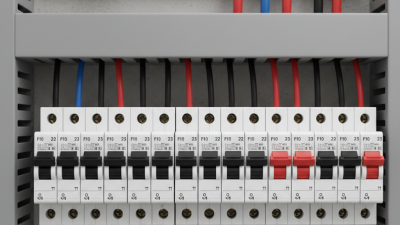
Mini Circuit Breakers (MCBs) play a crucial role in various settings. In residential environments, they protect circuits from overloads and short circuits. Homeowners often overlook their importance. Yet, an MCB ensures safety from potential electrical fires. Installing a multi-pole MCB can also help manage power distribution when several appliances run simultaneously.
In commercial applications, MCBs handle demands of higher currents. Retail stores and offices rely on them for consistent power supply. A sudden load change can trip an MCB, indicating potential issues in the wiring. Regular maintenance checks are essential for these installations. They help identify wear or malfunctions. Ignoring this can lead to costly downtimes.
Industrial settings require robust MCB types to withstand harsh conditions. Factories and manufacturing plants face unique electrical challenges. Here, an MCB can prevent equipment damage from surges. However, selecting the right type is key. Sometimes, newer models may offer better performance, but industries can be slow to adapt. Keeping up-to-date with advancements ensures efficiency and longevity in electrical systems.
Trends in MCB Technology: Safety Features and Smart Circuit Breakers
The evolution of MCB technology has led to significant enhancements in safety features. Modern designs incorporate advanced materials and innovative mechanisms to reduce the risk of electrical fires. According to industry reports, over 25% of domestic fires are linked to electrical faults. This statistic highlights the urgent need for improved safety in residential and commercial electrical systems. Features like arc fault detection and overload protection are now standard in many mini circuit breakers, significantly enhancing their reliability.
As consumers become more tech-savvy, smart circuit breakers are gaining traction. These devices offer real-time monitoring, allowing users to keep an eye on power consumption. They can send alerts to smartphone apps, notifying owners about potential issues. Research indicates that the global market for smart circuit breakers is projected to reach $12 billion by 2026, reflecting a growing trend toward automation and efficiency. Furthermore, integrating a Dc Mcb Pv Mini Circuit Breaker into solar energy systems ensures safety while maximizing energy output.
While these advancements are promising, gaps and challenges still exist. Many older buildings lack updated electrical infrastructure, limiting the effectiveness of new MCB technologies. Retrofitting can be costly and complicated, leading to delays in adopting essential safety upgrades. As technology advances, there is a continuous need for education and awareness among users to ensure optimal performance and safety in electrical systems.
FAQS
: Mini circuit breakers automatically disconnect electricity during faults. This protects wiring and devices from damage.
B curve is for residential use, C curve for commercial, and D curve for heavy-duty applications.
Use B curve MCBs for lighting and general home appliances. They trip at lower overloads.
C curve MCBs handle moderate overloads. They are ideal for powering machinery in commercial settings.
D curve MCBs manage high inrush currents. They’re essential for large motors and transformers.
Assess your load requirements and operational environment. Consult professionals for better decisions.
Current rating, load types, and usage environment can complicate MCB selection. Careful consideration is crucial.
It is risky to choose without advice. Errors could lead to serious safety implications.
Incorrect MCBs may fail to protect devices or wiring, causing hazards like electrical fires.
Consider your specific needs, load types, and the environment to ensure safety and efficiency.
Conclusion
The article "Top 10 Mcb Mini Circuit Breaker Types You Need to Know" provides a comprehensive overview of various MCB mini circuit breakers, explaining their distinct functionalities and applications across different environments. It begins by defining mini circuit breakers and their crucial role in electrical systems, before diving into the differences between single pole and double pole MCBs, helping readers identify appropriate use cases for each type.
Moreover, the piece examines essential selection criteria for MCBs, including rating, current tripping characteristics, and the significance of inrush current ratings. It also explores the various curve types, such as B, C, and D curves, guiding users to choose the right MCB mini circuit breaker for their specific needs. Finally, the article discusses the applications of MCBs in residential, commercial, and industrial settings, along with emerging trends in MCB technology that focus on enhanced safety features and the integration of smart circuit breakers.

 +86 13868429846
 Contact Phone
 Contact Email