In the world of electrical engineering, the Switch Capacitor Contactor is a pretty important component. It plays a key role in power systems, especially when it comes to managing reactive power. Lots of companies, like Siemens and Schneider Electric, have actually integrated these into their setups. This helps them optimize energy use and improve efficiency.
Basically, the Switch Capacitor Contactor works by switching capacitors on and off in a circuit. Its main job is to keep voltage levels steady and make sure everything runs smoothly. That’s why many industries depend on its ability to keep the power factor stable. With energy efficiency becoming more and more important these days, technology like this is super vital. But honestly, a lot of folks might not realize there’s a lot more to it than just flipping a switch.
Getting a good handle on how the Switch Capacitor Contactor works means understanding a bit about electrical systems overall. It definitely offers some great benefits, but it’s also important to be aware of potential issues. If used improperly, it could stress out equipment or even cause malfunctions. So, taking the time to assess how and when to use it properly is pretty crucial for any operation looking to make the most of what it offers.
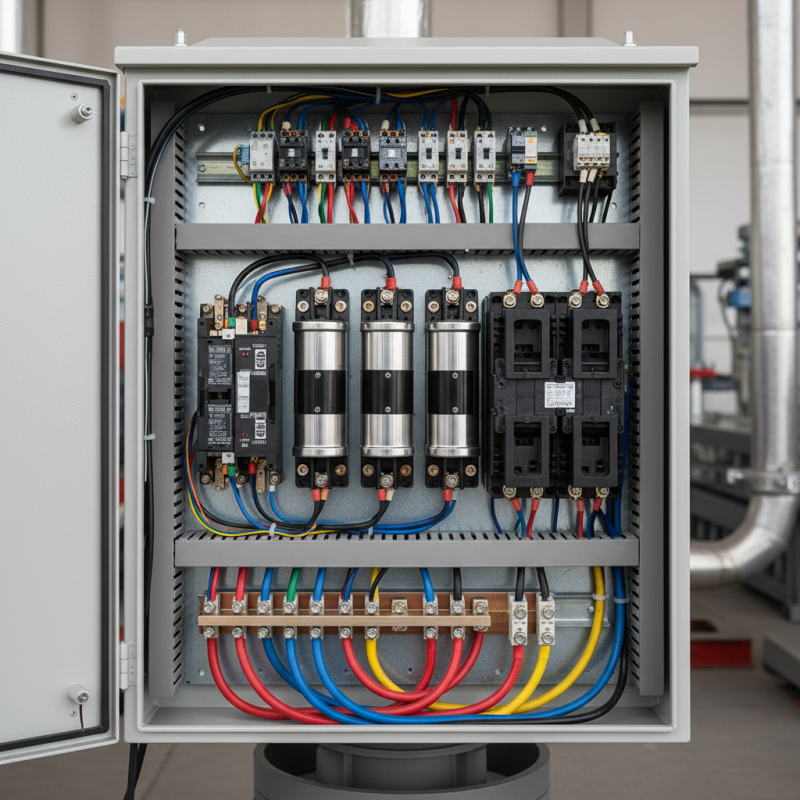
Definition of a Switch Capacitor Contactor
A switch capacitor contactor is a critical device in electrical systems, designed to manage power flow efficiently. It uses capacitors to switch electrical circuits on and off, providing a smooth transition. This technology is vital in applications such as power factor correction and voltage regulation. According to industry reports, the global switch capacitor market is projected to grow by 10% annually, driven by the need for energy savings and enhanced power quality.
The operation of a switch capacitor contactor relies on its ability to temporarily store energy. When activated, it can help mitigate voltage spikes and bounce, creating a more stable power supply. This benefits both residential and industrial environments, reducing wear on electrical components. Interestingly, not all situations are ideal. For instance, incorrect sizing or application can lead to inefficiencies.
TIP: Always seek professional guidance when selecting a contactor. Inadequate specifications can lead to performance issues.
Additionally, switch capacitor contactors can enhance system longevity by balancing load currents. However, they should be maintained regularly. Neglecting maintenance may result in premature failure and costly repairs.
TIP: Regular inspections are crucial to ensure optimal performance. Schedule them at least twice a year. Investing time in these check-ups can save significant costs in the long run.
Key Components of Switch Capacitor Contactors
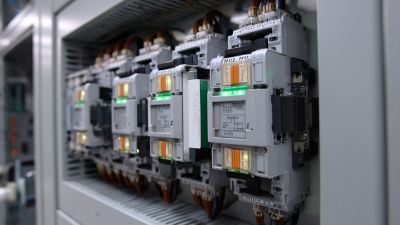
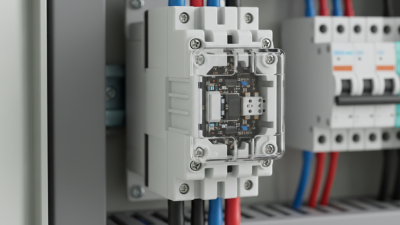
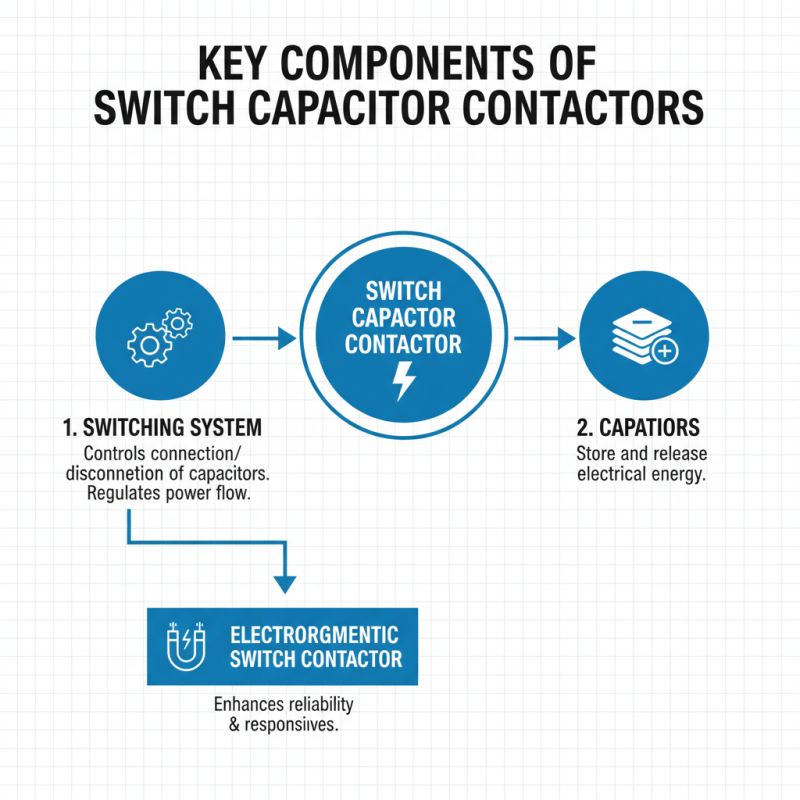
Switch capacitor contactors play a crucial role in managing electrical circuits efficiently. They are primarily composed of critical elements that contribute to their functionality. One major component is the switching system itself. This system controls the connection and disconnection of capacitors. It enables the load to receive the right amount of power. The switching system often employs an Electromagnetic Switch Contactor, which enhances reliability and responsiveness.
Another key component is the capacitor bank. These banks store electrical energy and release it when needed. The capacitors work in tandem with the switching system to ensure that power supply remains stable. Capacitor banks can vary in size and specification, depending on the application. In practical use, understanding the capacities and limitations of these banks is essential, as overloading can lead to failures.
Lastly, control circuits regulate the operation of the switch capacitor contactors. These circuits include sensors and relays that monitor voltage levels. If the voltage dips or spikes, the control circuit can act swiftly to adjust the system. However, designing these control circuits can be challenging. Mistakes in calibration may lead to inefficiencies or equipment damage over time. Balancing performance with user requirements remains an ongoing consideration in the design of switch capacitor contactors.
Principles of Operation for Switch Capacitor Contactors
Switch capacitor contactors are essential components in modern electrical systems. They operate by rapidly connecting and disconnecting a capacitor bank to enhance power quality. This mechanism allows for improved voltage regulation and reduced harmonic distortion. According to a 2022 industry report, poorly managed power factor can lead to significant energy losses, often exceeding 20%.
The operation principle relies on the concept of switched capacitance. During low demand periods, capacitors are engaged to help maintain voltage levels. When demand increases, these capacitors disconnect to optimize energy flow. This responsive nature makes them integral to Intelligent Switch systems. These smart technologies adapt to changing loads in real-time, ensuring efficiency.
Challenges exist in switching parameters. Transition times impact overall system performance. Many users notice delays affecting output stability. Engineers need to assess various factors such as temperature and load characteristics. Real-time monitoring offers insights but can be complicated to implement. Still, the need for reliable energy management systems drives ongoing improvements in these technologies.
Applications of Switch Capacitor Contactors in Electrical Systems
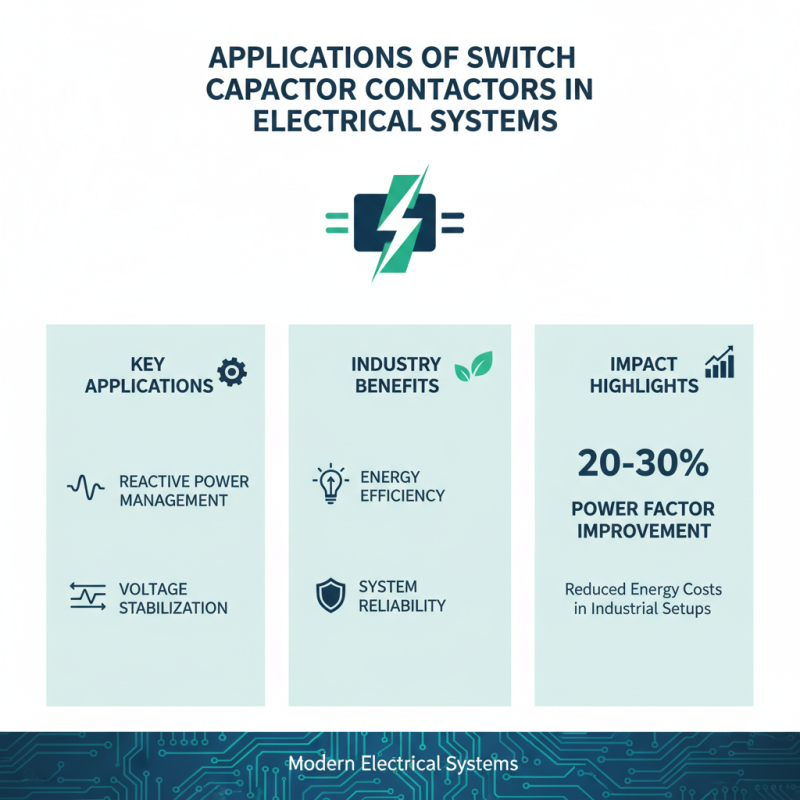
Switch capacitor contactors are vital in modern electrical systems. Their applications span various industries, enhancing energy efficiency and system reliability. These devices manage reactive power and smooth voltage fluctuations. Reports suggest that switch capacitor systems improve power factor by 20% to 30% in industrial setups, reducing energy costs significantly.
In renewable energy, switch capacitor contactors are increasingly employed. Their ability to stabilize voltage makes them ideal for integrating solar and wind power into the grid. Recent data indicates that optimizing power factor using these contactors can lead to savings of up to $500,000 annually for large facilities. It’s essential to note that while beneficial, the effectiveness of these systems relies on proper installation and maintenance.
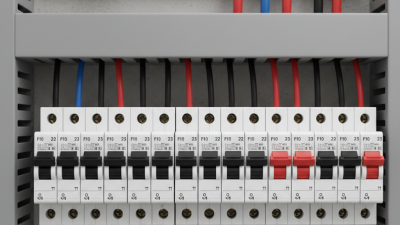
**Tips:** Regularly testing your Mcb Automatic Switch can ensure optimal performance. Additionally, identifying specific requirements can increase the longevity and efficiency of these systems. Implementing smart monitoring can proactively address potential issues. This strategy not only maximizes efficiency but also enhances the overall system reliability, creating a robust electrical infrastructure.
Advantages of Using Switch Capacitor Contactors
Switch capacitor contactors play a vital role in modern electrical systems, especially in power factor correction. These devices are designed to improve energy efficiency and reduce electricity costs. They work by automatically switching capacitor banks on and off, optimizing reactive power in real-time. According to the Electric Power Research Institute (EPRI), effective power factor correction can save facilities up to 20% on their power bills.
One significant advantage of using switch capacitor contactors is their ability to provide seamless integration into existing systems. They can enhance operational reliability and reduce downtime. The North American Electric Reliability Corporation (NERC) states that installations using these contactors have reported up to a 15% increase in overall system efficiency. This efficiency gain stems from less energy lost in the distribution system.
Moreover, switch capacitor contactors can be monitored for performance improvements. Data from the IEEE Power Electronics Specialists Conference suggests that these devices come equipped with advanced monitoring features. This allows for immediate detection of issues. However, if not maintained properly, they can underperform and lead to unexpected outages. Regular maintenance and monitoring practices are essential for maximizing their benefits.
Comparison with Traditional Contactors
Switch capacitors represent a novel approach in the realm of electrical contactors, contrasting sharply with traditional mechanical contactors. Traditional contactors rely on physical contacts to establish circuits, leading to wear and tear over time. In contrast, switch capacitors function by utilizing capacitive coupling to connect and disconnect circuits without mechanical movement. This not only minimizes degradation but also enhances reliability.
According to a recent industry report, the efficiency of switch capacitors can reach up to 98%, compared to only 85% for standard contactors. This increased efficiency translates into substantial energy savings, particularly in high-frequency applications. However, some experts express concerns about the initial cost associated with switch capacitors. While they offer longevity and reduced maintenance, the upfront investment can be a barrier for small-scale operations.
Moreover, switch capacitors demonstrate a quicker response time, often under 1 millisecond, which is particularly advantageous in dynamic systems. On the flip side, their sensitivity to voltage surges raises questions about their stability in certain environments. More research is required to address these potential vulnerabilities and optimize their performance across diverse applications.
What is a Switch Capacitor Contactor and How Does it Work? - Comparison with Traditional Contactors
| Feature | Switch Capacitor Contactor | Traditional Contactor |
| Control Method | Electronic switching | Electromechanical switching |
| Response Time | Microseconds | Milliseconds |
| Size | Compact design | Bulkier design |
| Energy Efficiency | Higher efficiency with lower losses | Moderate efficiency |
| Maintenance | Lower maintenance required | Regular maintenance needed |
| Cost | Higher initial cost | Lower initial cost |
| Application Areas | Renewable energy systems, capacitive loads | General industrial applications |
Maintenance and Troubleshooting Tips for Switch Capacitor Contactors
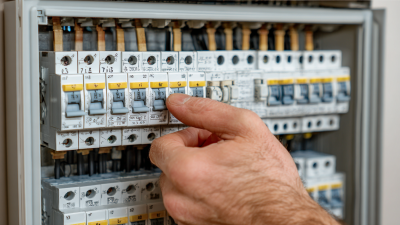
Switch capacitor contactors play a crucial role in power management, especially within electrical systems. Regular maintenance is essential to ensure optimal performance and longevity. Checking connections is fundamental. Loose or corroded connections can lead to inefficiencies. Over time, dust and moisture can accumulate on terminals. This can cause overheating and eventual failure.
Troubleshooting issues with switch capacitor contactors requires a systematic approach. Start by examining the control circuit. A malfunctioning Wifi Mcb Switch Circuit Breaker can disrupt operations. Look for signs of wear, such as burning or melting. Testing the contactor for continuity is vital. A digital multimeter can help in this aspect. If readings are inconsistent, replacement might be necessary.
Consider the environment where the contactor operates. High humidity or extreme temperatures can impact functionality. Regular inspections can identify potential problems before they escalate. Documentation of maintenance activities can prove valuable for future reference. This practice enhances reliability and supports compliance with safety standards.
Understanding the Importance of the WiFi Intelligent Overvoltage and Undervoltage 2P63A Leakage Protection Switch for Home Safety
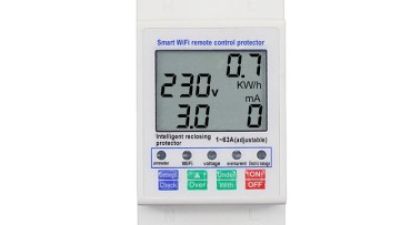
In today's world, ensuring the safety of our homes from electrical hazards is paramount. The WiFi Intelligent Overvoltage and Undervoltage 2P63A Leakage Protection Switch serves as a crucial line of defense against potential electrical mishaps. Its ability to detect and respond to excess current plays a vital role in preventing overheating and fires caused by overloaded electrical systems. With the capability to self-set overcurrent protection values, this device can cut off electricity within a mere 0.1 seconds, significantly reducing the risk of fire and enabling safe troubleshooting once the situation is resolved.
Moreover, the leakage protection feature of this switch guarantees the safety of your family. In the event of electrical leakage, the integrated mobile software quickly issues warnings, allowing users to address hazards promptly. This proactive approach aids in the swift mitigation of electrical leakage risks, contributing to a safer home environment. Furthermore, the switch offers real-time electricity statistics, displaying essential metrics such as electricity consumption, voltage, current, and leakage values on a single interface. This comprehensive data presentation not only facilitates informed decisions regarding electrical usage but also enhances overall home safety by keeping users aware of their electrical system's status at all times.
Conclusion
A Switch Capacitor Contactor is an electrical device designed to manage the connection and disconnection of capacitors in circuits, playing a crucial role in power factor correction and voltage stabilization. Key components of these contactors include control circuitry, relays, and capacitors, which work together to ensure efficient operation. The principles of operation involve the automatic switching of capacitance, optimizing energy consumption and enhancing system performance.
Applications of Switch Capacitor Contactors are prevalent in various electrical systems, particularly in industrial and commercial settings where managing reactive power is essential. They offer several advantages over traditional contactors, such as improved efficiency and reduced wear due to their ability to operate at higher speeds. Additionally, routine maintenance and troubleshooting tips can help ensure these devices function optimally, contributing to reliable and stable electrical system performance.

 +86 13868429846
 Contact Phone
 Contact Email