In today's digital world, protecting your electronic devices from power surges is more important than ever. You might want to check out Spd Surge Protective Devices — they’re pretty much essential if you want to keep your gadgets safe from those annoying transient voltage spikes. Did you know that, according to the Institute of Electrical and Electronics Engineers, power surges cause billions of dollars in damages every year worldwide? That really drives home how crucial good surge protection is.
Dr. Emily Carter from SurgeTech Solutions often reminds folks, “Investing in Spd Surge Protective Devices is basically investing in the long-term health of your electronics.” Her point is spot on — with technology more woven into our lives than ever, the risks associated with electrical surges are only growing.
Using surge protectors like Spd devices can seriously cut down the chances of your equipment failing unexpectedly. But surprisingly, a lot of businesses still overlook just how big a threat power surges can be, which can end up costing a pretty penny. As new tech keeps coming out, the world of electrical safety will keep evolving too, so staying informed and prepared — especially when it comes to devices like Spd Surge Protectors — is more important than ever.
What are Surge Protective Devices (SPDs)?
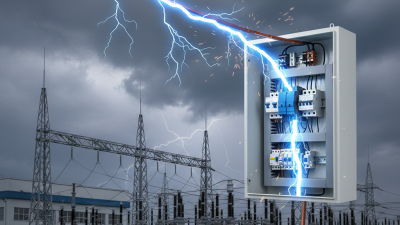
Surge Protective Devices (SPDs) are essential tools for safeguarding electrical equipment from voltage spikes. These spikes can occur due to lightning strikes, power outages, or sudden changes in electricity supply. According to the Institute of Electrical and Electronics Engineers (IEEE), more than 80% of electrical disturbances in facilities come from within the building's own electrical system. SPDs act quickly to divert excess voltage away from sensitive devices, reducing the risk of damage significantly.
The operational mechanism of SPDs is straightforward yet effective. They sense an increase in voltage and redirect the excess energy to the ground. This action prevents the overvoltage from reaching connected devices. A study from the Electric Power Research Institute (EPRI) found that installing SPDs can lower equipment failure rates by up to 30%. Despite their effectiveness, some users still underestimate their importance, often overlooking regular maintenance or proper installation, which are critical for optimal performance.
Deployment of SPDs should not be treated as an afterthought. Many facilities fail to account for all potential surge sources. With emerging technologies, the complexity of electrical systems has increased. Additionally, there can be confusion around which type of SPD is suitable for specific applications. As technology evolves, the need for comprehensive knowledge and skilled installation remains crucial. Properly implemented SPDs can protect investments in expensive electronic equipment. Yet, without ongoing evaluation and adaptation, their effectiveness may diminish over time.
The Importance of Surge Protection in Electrical Systems
Surge protection is crucial in electrical systems. Every day, our devices face risks from power surges. These surges can occur due to lightning strikes, faulty wiring, or sudden changes in power demand. Without proper protection, sensitive equipment may be damaged or destroyed. This highlights the necessity of Surge Protective Devices (SPDs) for safeguarding our systems.
Installing SPDs can prevent vast amounts of costly repairs. They divert excess voltage away from devices, ensuring stable operation. Users often forget that even minor surges can degrade equipment over time. Choosing the right SPD requires careful consideration of the specific electrical environment. Not all places face the same level of risk.
Awareness of surge protection is often lacking. Many individuals assume their appliances are safe without any protective measures. This mentality can lead to significant issues down the line. Regular maintenance checks can identify vulnerabilities in your electrical infrastructure. A proactive approach to surge protection enhances reliability and extends the life of your equipment.
What is Spd Surge Protective Devices and How Do They Work?
| Parameter | Description |
| Device Type | Type 1, Type 2, Type 3 |
| Maximum Surge Current | 10 kA to 200 kA |
| Voltage Protection Rating | Up to 1000 V |
| Response Time | |
| Installation Location | Service entrance, sub panels, and point of use |
| Maintenance | Periodic checking; some devices have visual indicators |
| Benefits | Protects sensitive equipment, reduces downtime, and ensures safety |
How SPDs Function: The Mechanism Behind Surge Protection
Surge Protective Devices (SPDs) are essential for safeguarding electrical systems from voltage spikes. They work by redirecting excess voltage to the ground. This diversion protects your valuable equipment from damage. The failure of equipment due to surges can cost businesses thousands of dollars each year, as reported by the Electrical Safety Foundation International.
SPDs function through a few key components. The primary element is the Metal Oxide Varistor (MOV). When voltage exceeds a certain threshold, the MOV activates, shunting the surge away from sensitive circuits. Another important feature is the use of fuses. These prevent excessive current from flowing, which could lead to further electrical failures. For buildings in lightning-prone areas, a Spd 20-40ka Surge Protective Device is particularly effective. They handle large surges without compromising performance.
**Tip:** Regularly check your SPD status indicators. Many devices have visual signals that show whether they're functioning properly.
Understanding how SPDs operate helps in selecting the right device for specific needs. Not all systems will benefit from the same level of protection. Over-specifying or under-specifying can lead to problems and unexpected repairs. Asking an expert for a tailored solution can enhance safety and reliability.
**Tip:** Consider annual evaluations to ensure your surge protection is up to date. Devices can degrade over time due to environmental factors.
Surge Protection Device Categories and Their Effectiveness
Types of Surge Protective Devices Available
Surge Protective Devices (SPDs) are essential for safeguarding electronic devices against voltage spikes. Different types of SPDs cater to various needs in residential and commercial settings. Knowing what each type offers is vital for effective protection.
One common type is the Type 1 SPD. These devices are typically installed at the service entrance. They serve as the first line of defense against external surges, like lightning strikes. A Type 2 SPD is often used within the building to protect branch circuits. This ensures that transient voltages do not damage sensitive equipment. Additionally, Type 3 SPDs are for point-of-use applications. They are ideal for protecting individual devices or specific areas.
Under Voltage Protective Protectors are also worth mentioning. While they focus on preventing damage from low voltage, they complement surge protection. To achieve comprehensive safety, combining these devices is helpful. Always consider your specific needs and conditions. It's important to evaluate potential vulnerabilities before selecting an SPD type. This reflection can make a difference in your protection strategy.
Key Applications of SPDs in Residential and Commercial Settings
Surge Protective Devices (SPDs) are essential in today's electrical infrastructure, especially in residential and commercial environments. In homes, SPDs safeguard appliances and electronics from voltage spikes caused by lightning or electrical faults. These spikes can damage sensitive devices, leading to costly repairs or replacements. Installing SPDs can help protect systems like HVAC units, entertainment systems, and computers.
In commercial settings, the stakes are even higher. Businesses often rely on expensive equipment for operations. A power surge can disrupt production and lead to significant financial losses. SPDs play a crucial role in protecting critical systems, including telecommunications and data servers. Without adequate protection, systems may face downtime or even permanent damage. While many businesses invest in SPDs, not all are fully aware of their vulnerability to electrical surges. Understanding this need is the first step towards effective implementation. This awareness is pivotal in modern electrical safety.
Factors to Consider When Choosing SPDs
When selecting SPDs (Surge Protective Devices), one must consider several critical factors. The voltage rating is essential. An SPD must match the electrical system's voltage level. For example, an SPD rated at 240V will not protect a 480V system effectively. Therefore, understanding the electrical environment is key.
Another crucial aspect is the type of surge protective device. There are two primary categories: Type 1 and Type 2. Type 1 devices are installed between the utility pole and the building, while Type 2 devices are installed on the building’s electrical system. According to the IEEE, over 80% of surge events originate externally, making Type 1 devices vital for comprehensive protection.
Response time is also a point for consideration. An SPD's response time indicates how quickly it can react to a surge. Faster devices can minimize damage to sensitive electronics. Research shows that a surge protector can reduce the risk of equipment failure by up to 60%. Moreover, for applications like solar energy systems, using an Spd Surge Protector Dc ensures safe operation and longevity of converters and inverters. Taking these factors into account can lead to better preparedness against electrical anomalies.
Maintenance and Testing of Surge Protective Devices
Surge Protective Devices (SPDs) are crucial for protecting electrical systems. However, their effectiveness depends on regular maintenance and testing. Industry reports indicate that inadequate upkeep can reduce an SPD's lifespan significantly, sometimes by up to 50%. Regular checks ensure that devices like the Spd Surge Protector 20ka function optimally. Routine inspections allow technicians to identify potential vulnerabilities, such as worn components, before they fail.
Testing SPDs involves measuring their clamping voltage and response time during surge events. HVAC systems, for instance, often face surges that can be harmful without proper protection. Some studies suggest that regular testing can increase the operational efficiency of SPDs by over 25%. It is essential to document these tests. Data recording provides insight into performance trends over time, offering a chance to reflect on past maintenance practices.
While many facilities invest in SPDs, they often overlook testing schedules. This can lead to unexpected failures during peak usage. Regular maintenance is not just a recommendation; it’s a necessity for operational reliability. Addressing potential shortcomings in testing procedures can prevent costly downtimes and enhance overall safety.
Evaluating the Performance and Reliability of 3P 1500VDC T2 Surge Protective Devices: Insights from Industry Data and Maximum Discharge Capacity Analysis
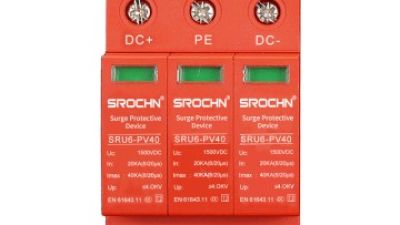
The evaluation of the performance and reliability of the 3P 1500VDC T2 Surge Protective Device (SPD) reveals that it is a vital solution for ultrahigh voltage DC systems, particularly in industrial environments where transient overvoltages can pose significant operational risks. According to industry data, SPDs that effectively manage maximum discharge capacities are essential for maintaining the integrity of electrical systems. The 3P 1500VDC T2 SPD features a robust maximum discharge capacity of 40kA, allowing it to absorb and redirect excess voltage during surges caused by lightning strikes or switching operations.
In addition to its impressive discharge capacity, the SPD's nominal discharge current of 20kA indicates its reliability in everyday operational scenarios. This performance metric is crucial, as many systems require consistent protection during both normal and extreme conditions. Data from recent studies emphasize that devices with durable plastic housings provide superior insulation and mechanical protection—key in preventing equipment failures. Furthermore, the three-pole configuration of the device ensures comprehensive coverage across the system, catering to the critical needs of industries invested in ultrahigh voltage DC applications, where every component's reliability can significantly impact overall performance.
Overall, the analysis of this SPD highlights its strategic importance in safeguarding electrical equipment and ensuring uninterrupted service in high-voltage settings. Robust surge protection is not just an accessory, but a necessity for operational continuity, reaffirming the need for reliable surge protective devices in modern electrical infrastructures.
FAQS
: Surge protection is essential because it prevents damage to sensitive equipment from power surges caused by various factors.
Power surges can occur due to lightning strikes, faulty wiring, and sudden changes in power demand.
SPDs are devices designed to divert excess voltage away from electronic devices, ensuring their stable operation.
Regular inspections are crucial. They can identify vulnerabilities and ensure SPDs operate optimally.
Match the SPD’s voltage rating to your electrical system and consider the type of device needed for your environment.
There are two main types: Type 1, installed externally, and Type 2, installed on the building’s electrical system.
Yes, adequate maintenance can improve an SPD's lifespan by up to 50%, ensuring better protection.
A faster response time means less damage to electronics during surges, enhancing overall protection.
Many facilities may neglect testing schedules, leading to unexpected failures during peak usage times.
Regular maintenance, timely testing, and addressing vulnerabilities can significantly enhance protection and reliability.
Conclusion
Surge Protective Devices (SPDs) are essential components in electrical systems, designed to protect sensitive electronic equipment from voltage spikes that can occur due to lightning strikes, power surges, or other disturbances. These devices play a critical role in ensuring the reliability and longevity of electrical systems, making surge protection a vital consideration for both residential and commercial applications.
SPDs function by diverting excess voltage away from connected devices, preventing damage and maintaining operational integrity. There are various types of SPDs available, each tailored to specific environments and needs. When selecting SPDs, factors such as the specific application, installation location, and maintenance requirements should be carefully considered to ensure optimal performance. Regular testing and maintenance of SPDs are also crucial for guaranteeing their effectiveness over time, safeguarding electrical systems from unexpected surges.

 +86 13868429846
 Contact Phone
 Contact Email