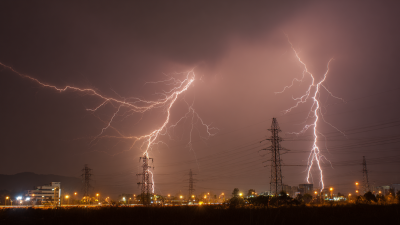
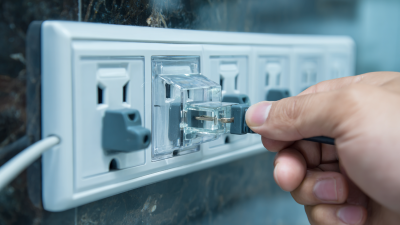
In our increasingly digital world (and let's be honest, it feels like everything's connected now), protecting electrical systems from unpredictable natural events is more important than ever. Out of all the protective devices out there, the Spd Lightning Arrester really stands out — mainly because of how advanced and reliable it is. These devices help steer away excessive voltage, preventing it from harming sensitive electronics. Basically, they’re the unsung heroes in keeping electrical networks safe, making sure things keep running smoothly whether it’s in factories, stores, or even our own homes.
Looking ahead to 2025, it’s pretty clear that knowing about SPD Lightning Arresters and how they work is a must for anyone dealing with electrical systems. In this article, I’ll break down how SPD technology works, showing how these devices effectively guard your circuitry against lightning strikes and power surges. We’ll also take a close look at five of the top SPD Lightning Arresters available right now, going over what makes them tick and why they might be worth considering. The whole point is to stress how important it is to take proactive steps to shield your electrical setups — because with tech always evolving, having the right protection can really save you a headache later on. So, whether you’re an electrician, a business owner, or just someone keen on keeping their gadgets safe, this guide is here to help you get a better handle on protecting your valuable investments.”
Understanding SPD Lightning Arresters: Function and Importance
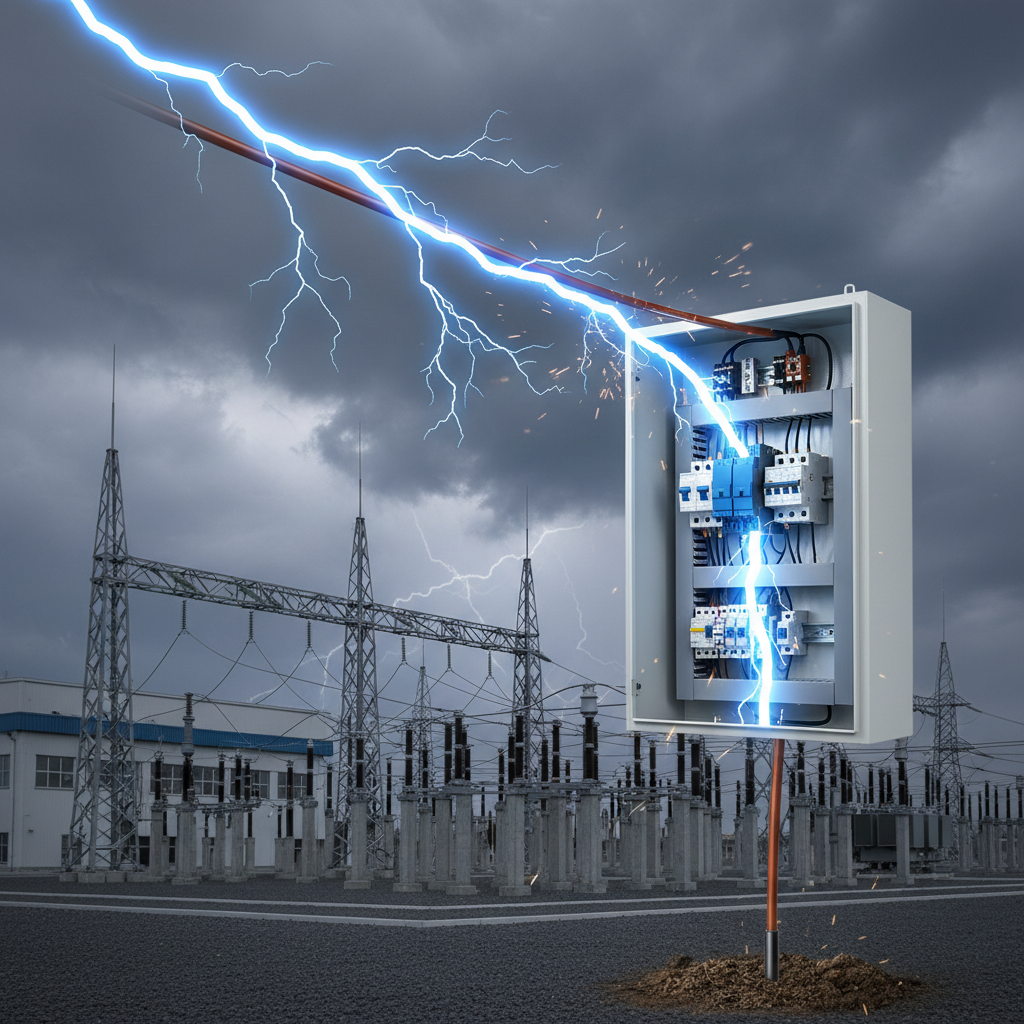
Surge Protection Device (SPD) lightning arresters play a crucial role in safeguarding electrical systems against transient voltage surges caused by lightning strikes. Understanding their function and importance is essential for maintaining the reliability and efficiency of electrical installations. According to recent studies on the reliability and condition-based maintenance of zinc oxide surge arresters, these devices can be assessed by their fault characteristics and health, ensuring that they function effectively in preventing damage from electrical surges.
In environments such as greenhouses, where sensitive equipment can be easily jeopardized, incorporating surge and lightning protection systems is not just beneficial but necessary. Lightning arresters serve to divert harmful surges away from critical infrastructure, preventing potential failures and protecting against fire risks. Moreover, with the increasing prevalence of extra high voltage (EHV) transmission lines, the risk of lightning strikes also rises. This emphasizes the need for robust protection measures, such as surge arresters, which are designed to handle both AC and DC applications up to high voltages, ensuring consistent operation amid extreme conditions.
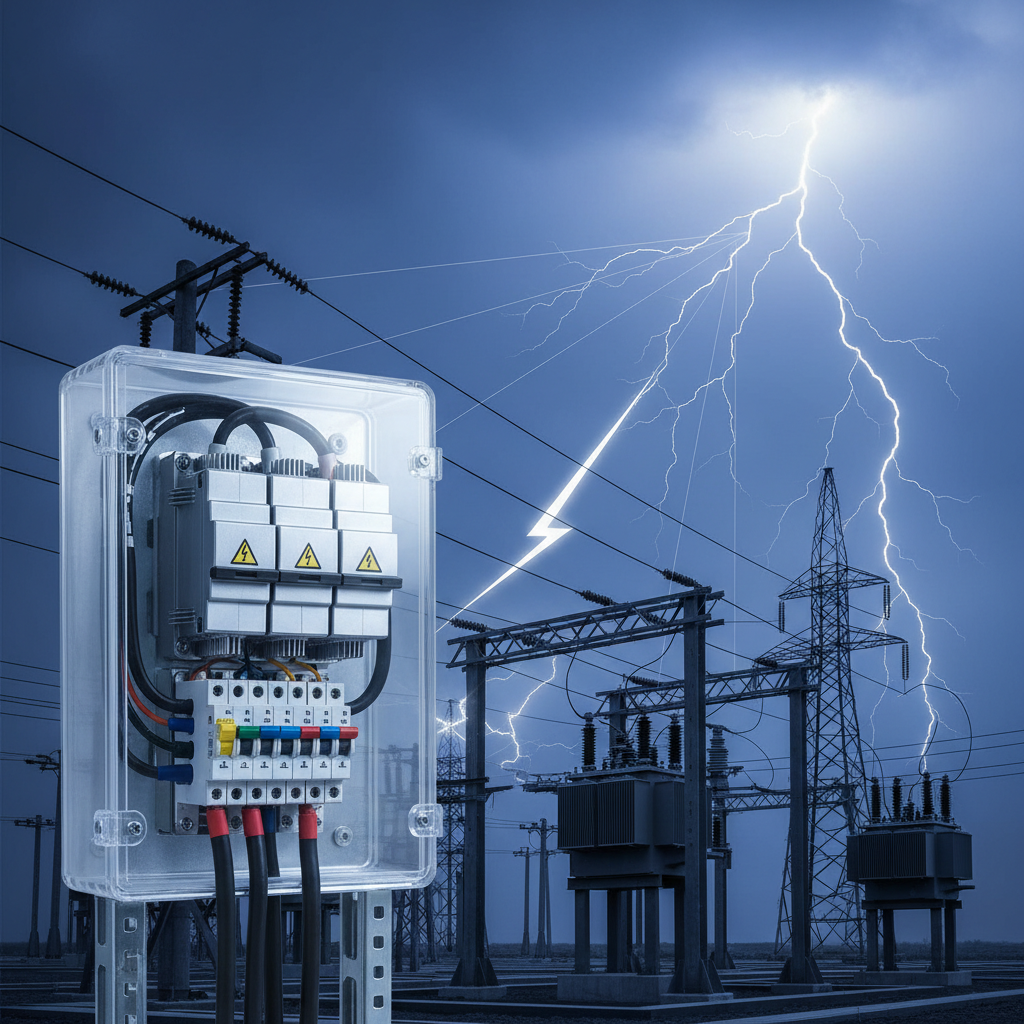
Types of SPD Lightning Arresters: Choosing the Right One for Your Needs
When selecting a Surge Protective Device (SPD) lightning arrester, understanding the different types available is crucial to ensuring optimal protection for your electrical system. There are generally three main categories: Type 1, Type 2, and Type 3. Type 1 arresters are installed between the utility pole and your main service equipment, providing primary overvoltage protection. They are ideal for areas with frequent lightning activity, as they can handle high transient surges.
Type 2 devices, installed at the service entrance, offer secondary protection and are recommended for residential and commercial installations to safeguard internal wiring. Type 3 surge protectors are point-of-use devices, ideal for sensitive electronics, effectively preventing overvoltage from impacting individual appliances.
Tips for choosing the right SPD include assessing the level of exposure to electrical surges in your area, as recommended by industry studies indicating that locations prone to lightning strikes can benefit from Type 1 systems. Additionally, consider the clamping voltage of the device, as lower clamping voltages provide better protection for sensitive equipment. It's also important to check certification and compliance with standards, such as IEEE 1100 and UL 1449, ensuring your SPD offers reliable protection based on verified performance data.
For optimal effectiveness, regularly inspect and maintain your SPD devices. Data from the National Fire Protection Association (NFPA) highlights that improper maintenance can lead to equipment failure during a storm. Ensure that your protective devices remain functional by conducting periodic reviews and replacing them when necessary, particularly after severe weather events that might impact their efficacy.
Installation Best Practices for SPD Lightning Arresters in Electrical Systems
Proper installation of surge protective devices (SPDs), commonly referred to as lightning arresters, is crucial for safeguarding electrical systems. According to industry reports, as many as 80% of electrical failures are due to surges caused by lightning strikes and other external disturbances. An SPD functions by diverting the surge energy away from the sensitive components of an electrical system, thus preventing damage. To maximize the effectiveness of SPD lightning arresters, new generation models should be installed in a manner that encourages proper grounding and minimizes the length of electrical paths to critical components.
At Zhejiang Shuorui Electric Co., Ltd., we emphasize the importance of adhering to established installation best practices. For optimal performance, SPDs should be placed as close as possible to the service entrance of the electrical system. This strategic positioning reduces the risk of voltage spikes reaching sensitive equipment. Additionally, ensuring that bonding and grounding practices align with the latest standards, such as those outlined by the National Electrical Code (NEC), is vital. With the electric capital of China as our backdrop, we are committed to providing quality products that support robust electrical protection systems.
Impact of SPD Lightning Arresters on Electrical System Reliability
This bar chart illustrates the impact of installing SPD lightning arresters on the reliability of electrical systems. The data shows a significant improvement in reliability from 65% before installation to 95% after installation.
How SPD Lightning Arresters Safeguard Against Power Surges
SPD lightning arresters are essential components in modern electrical systems, designed to protect against the damaging effects of power surges caused by lightning strikes and other electrical disturbances. These devices work by diverting excess voltage away from sensitive equipment, thereby preventing potential damage. By absorbing and dissipating the surge energy, SPD lightning arresters ensure that the integrity of your electrical system remains intact.
When selecting a surge protection device, consider the following tips: First, ensure that the SPD is rated for the voltage and current levels specific to your electrical system. Second, look for devices that comply with relevant safety standards, such as UL 1449, which indicates reliable performance. Finally, don't underestimate the importance of regular maintenance and testing to ensure that the SPD is functioning optimally and ready to protect your equipment when needed.
Installing SPD lightning arresters offers an additional layer of security against unpredictable electrical events. By safeguarding your electrical system, these devices help maintain the reliability of your operations, protect critical equipment, and ultimately save you from costly repairs and downtime. As technology continues to advance, the role of SPDs in maintaining electrical safety will only grow more significant.
Maintenance Tips to Ensure Optimal Performance of SPD Lightning Arresters
To ensure the optimal performance of SPD lightning arresters, regular maintenance is paramount. Periodic inspections should be conducted to check for any signs of wear or damage. This includes examining the physical condition of the arresters as well as verifying that connections are secure. Regular testing of the device's functionality can help identify any potential faults before they compromise the electrical system.
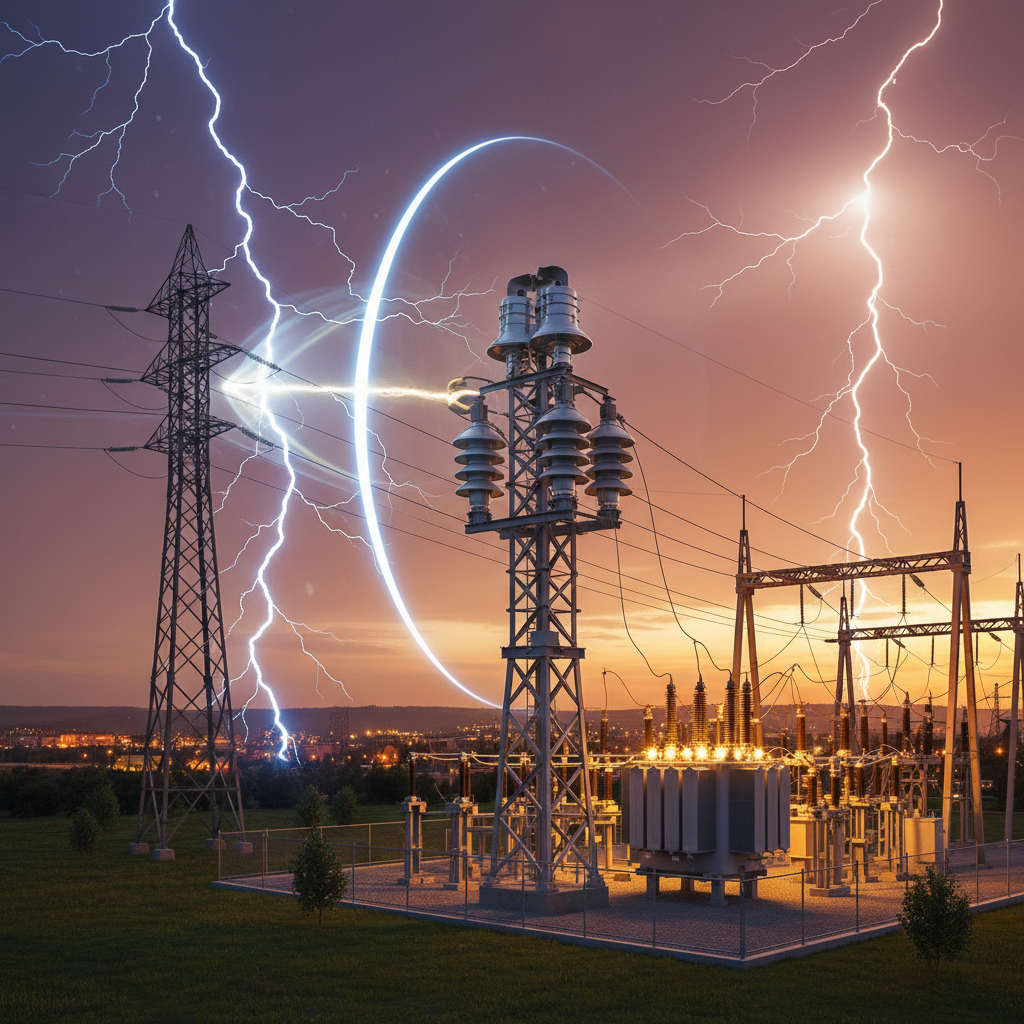
Additionally, proper installation plays a crucial role in the effectiveness of surge protection devices. It is essential to follow manufacturer guidelines and local codes to ensure that the SPD is appropriately placed within the electrical system. Utilizing the right types of SPD for specific applications can also enhance protection, as different environments may require varying levels of resistance to surges. Being proactive in maintenance and installation practices will greatly contribute to the longevity and reliability of SPD lightning arresters, safeguarding both infrastructure and devices from destructive electrical surges.
Common Misconceptions About SPD Lightning Arresters and Electrical Protection
Common misconceptions about SPD (Surge Protective Device) lightning arresters can endanger individuals and infrastructure. One prevalent myth is that lightning arresters can completely prevent lightning strikes. In reality, these devices are designed to protect electrical systems from the surges caused by lightning, rather than preventing the strikes themselves. This fundamental misunderstanding can lead to inadequate safety measures, increasing the vulnerability of homes and schools in lightning-prone areas.
Another misconception is that lightning only targets tall structures. While higher buildings are indeed more susceptible, lightning can strike anywhere, including seemingly ordinary houses. This belief can deter homeowners from installing necessary protective devices like SPDs, potentially putting lives at risk. As noted in recent tragic incidents where schools suffered devastating consequences from lightning strikes, it is clear that widespread awareness of these truths is critical for enhancing public safety and effectively protecting electrical systems.
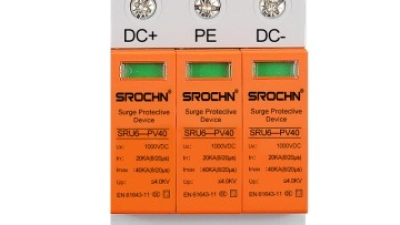
Enhancing Electrical Safety: The Impact of 3P 1000VDC T2 40kA Surge Protective Devices in Lightning Protection Systems
In an era where electrical safety is paramount, the integration of advanced surge protective devices (SPDs) is crucial in safeguarding electrical systems from voltage transients. The 3P 1000VDC T2 Surge Protective Device emerges as a high-performance solution specifically engineered for ultrahigh voltage DC applications. This device protects sensitive equipment from the damaging effects of lightning strikes and switching surges, effectively diverting excessive surge currents away from critical components. Such proactive measures are vital in maintaining the integrity and functionality of electrical systems, particularly in industrial, renewable energy, and infrastructure projects.
Housed in a durable, flame-retardant plastic casing, the 3P 1000VDC T2 SPD not only meets international safety standards but also ensures longevity and reliability in challenging environments. Its 3-pole configuration and impressive 40kA maximum discharge capacity make it an ideal choice for applications where robust surge protection is essential. By investing in such advanced solutions, organizations can enhance electrical safety and champion the reliability of their systems, ultimately reducing downtime and maintenance costs associated with surge-related damages.
FAQS
: The three main types of SPD lightning arresters are Type 1, Type 2, and Type 3. Type 1 is installed between the utility pole and main service equipment for primary overvoltage protection. Type 2 is for secondary protection at the service entrance, while Type 3 is a point-of-use device for sensitive electronics.
To choose the right SPD, assess your area's exposure to electrical surges, consider the clamping voltage (lower voltage offers better protection), and ensure the device meets certification and compliance standards like IEEE 1100 and UL 1449.
Regular inspection and maintenance of SPDs are crucial because improper maintenance can lead to equipment failure during a storm. Periodic reviews and replacing devices after severe weather events can ensure continued effectiveness.
SPDs should be installed as close as possible to the service entrance of the electrical system. This placement helps reduce the risk of voltage spikes reaching sensitive equipment.
No, SPD lightning arresters do not prevent lightning strikes. They are designed to protect electrical systems from the surges caused by lightning, rather than stopping the strikes themselves.
No, this is a misconception. Lightning can strike any structure, including ordinary houses, not just tall buildings. This misunderstanding can hinder homeowners from installing necessary protective devices.
If SPDs are not properly grounded, their effectiveness can be significantly reduced, increasing the risk of damage to electrical systems from surges. Following best practices for bonding and grounding is essential.
Type 1 SPDs are recommended for areas with frequent lightning because they can handle high transient surges, providing primary overvoltage protection directly from the utility source.
Conclusion
The article "What is Spd Lightning Arrester and How It Protects Your Electrical System" provides a comprehensive overview of SPD lightning arresters, highlighting their crucial role in safeguarding electrical systems from power surges and lightning strikes. It covers the functions and importance of these devices, different types available, and essential considerations for choosing the right one based on individual needs. Additionally, it outlines best practices for installation and offers maintenance tips to ensure optimal performance, debunking common misconceptions about SPD lightning arresters along the way.
Zhejiang Shuorui Electric Co., Ltd., located in the electrical capital of China, Wenzhou, is well-positioned to provide high-quality SPD lightning arresters. The company's expertise in the electrical industry makes it a reliable source for implementing effective surge protection solutions, vital for any electrical system in today's technologically advanced environment.

 +86 13868429846
 Contact Phone
 Contact Email