+86 13868429846
Leave Your Message
- Contact WhatsApp
-
 Contact Phone
-
 Contact Email
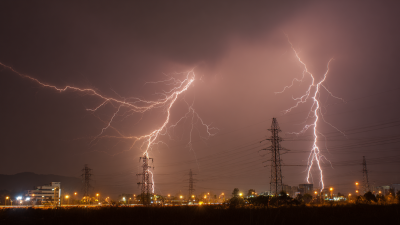
In the constantly changing world of electrical safety, protecting your household appliances from voltage fluctuations is more important than ever. A device called an Overload Voltage Protector (OVP) is pretty much a must-have to help shield your electronics from getting damaged by sudden surges of power. The Electrical Safety Foundation International (ESFI) reports that voltage spikes can not only harm sensitive gadgets but also cut down their lifespan. In fact, in the U.S. alone, losses due to these issues rack up to around $8 billion every year — crazy, huh?
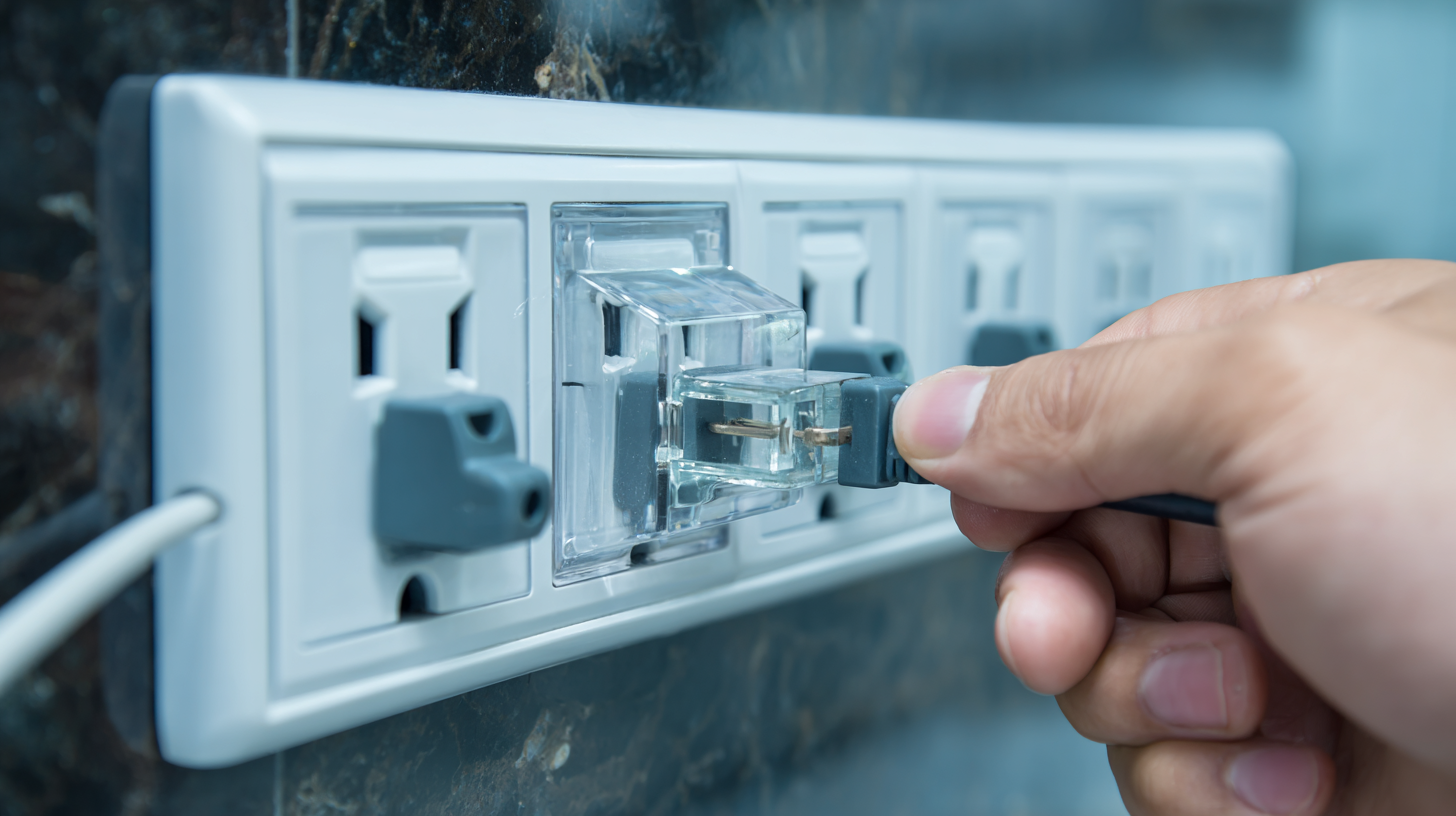
An Overload Voltage Protector basically acts as a first line of defense, making sure your appliances stay within safe voltage limits. Dr. Emily Carter, who’s an expert with over 15 years in electrical engineering at VoltGuard Technologies, explains how important these devices are. She points out that if you’re living somewhere with frequent power hiccups or unstable electricity, installing one is pretty much a no-brainer. Nowadays, as appliances get smarter and more tech-heavy, having a trusty overvoltage protector is key to keeping your stuff working smoothly and lasting longer.
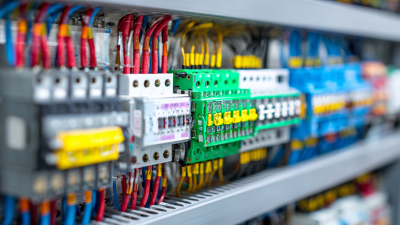
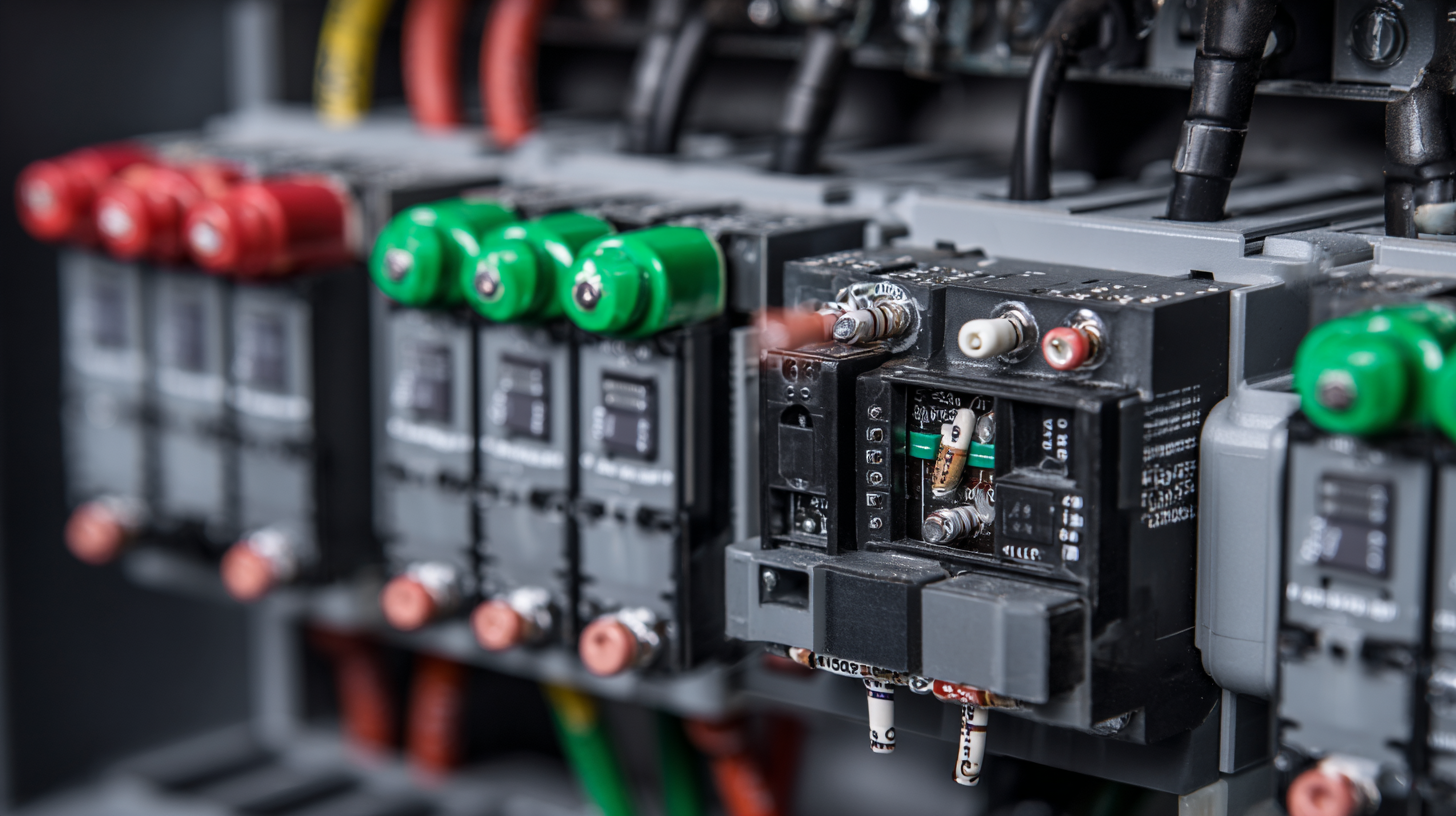 An overload voltage protector is a critical device designed to prevent electrical appliances from damage due to excessive voltage fluctuations. These protectors work by monitoring the voltage levels in the circuit and automatically disconnecting power when it detects a surge beyond a predefined threshold. This not only serves to protect expensive home appliances but also ensures the longevity of electrical devices, minimizing repair or replacement costs.
The importance of an overload voltage protector in appliance safety cannot be understated. When voltage spikes occur, they can lead to severe consequences, such as appliance malfunction or even electrical fires. With an overload protector installed, homeowners can enjoy peace of mind, knowing that their electronic equipment is safeguarded against these harmful surges.
Tips: To enhance safety, always choose a protector with a voltage rating that matches your appliances. Regularly check the device for any signs of damage or failure. Additionally, consider investing in surge protectors with built-in monitoring features to stay informed about your electrical system’s health.
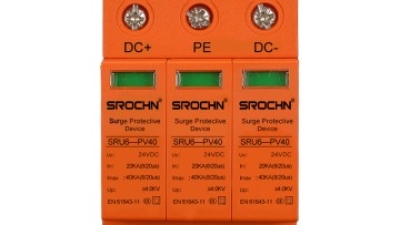
The effective protection of low voltage DC systems is critical, especially in an age where electronic devices are more sensitive to power surges than ever before. The introduction of the 3P 24VDC T2 Surge Protective Device is a significant advancement in safeguarding these systems from the detrimental effects of lightning strikes and transient overvoltages. With a maximum discharge capacity of 40kA and a nominal discharge current of 20kA, this device is specifically engineered to provide robust protection for sensitive equipment operating within 24VDC applications.
According to the International Electrotechnical Commission (IEC), electrical surges can cause irreversible damage to electronic components, leading to costly downtime and maintenance. The three-pole design of the 3P 24VDC T2 Protector ensures comprehensive surge protection, allowing it to tackle the unique challenges presented by low voltage DC systems. The device’s durable plastic housing not only delivers exceptional electrical insulation but also mechanical protection, indicating its versatility in a range of environmental conditions. By integrating state-of-the-art protection technology, this surge protective device significantly enhances the longevity and operational reliability of critical systems.
Reports indicate that the global surge protection device market is expected to reach USD 3.67 billion by 2027, reflecting a growing recognition of the importance of effective surge protection strategies in modern electrical systems. As the prevalence of DC applications increases, investing in high-performance solutions like the 3P 24VDC T2 not only mitigates risks associated with electrical surges but also prioritizes the continuity of operations across various industrial sectors.
: The primary function of an overload voltage protector is to safeguard appliances by interrupting the circuit when voltage exceeds a safe threshold, preventing damage to sensitive electronics.
Voltage rating is important because it indicates the maximum voltage the protector can handle. For residential use, models that meet or exceed the typical household voltage of 120V ensure reliable protection against voltage spikes.
Yes, many advanced overload voltage protectors include surge protection capabilities, shielding devices from surges caused by lightning or power fluctuations in addition to overloads.
An effective overload voltage protector should activate in milliseconds upon detecting excess voltage to prevent irreversible damage to appliances.
High-quality protectors often come with thermal fuses or circuit breakers that automatically disconnect power when overheating occurs, providing an extra layer of safety.
Users can maintain their overload voltage protector by regularly inspecting for signs of wear, keeping it clean from dust and debris, and periodically testing its functionality.
Users should ensure that the appliances connected to the protector do not exceed its rated capacity, as overloading can lead to diminished performance or failure of the device.
Regular maintenance practices, such as inspections and tests, can extend the life of an overload voltage protector by ensuring it functions effectively and reduces the risk of failure.
Signs indicating the need for replacement include visible damage such as frayed wires, physical cracks, and failure to properly cut off power during overload situations.
Enhanced features lead to higher efficiency rates, reducing the risk of appliance failure and extending the lifespan of both the protector and connected devices.
An Overload Voltage Protector is a vital device designed to safeguard your appliances from the risks associated with excessive voltage. Its importance lies in protecting sensitive electrical devices from damage, ensuring reliability and longevity in their performance. Understanding how these protectors function helps users appreciate their role in appliance safety, effectively managing voltage fluctuations that can lead to malfunction or failure.
When selecting an Overload Voltage Protector, it’s essential to consider key features such as response time, capacity, and reliability. Proper installation is crucial for maximum protection, and users should be aware of common mistakes that can compromise functionality. Regular maintenance will ensure that the Overload Voltage Protector performs well over time, providing consistent safety for your appliances. At Zhejiang Shuorui Electric Co., Ltd., we emphasize the significance of such protective devices in our electrical solutions, reflecting our commitment to quality and safety in the industry.