In today's world, where we're more and more dependent on electrical gadgets, keeping our gear safe is honestly a big deal. That’s where something like the Overload Voltage Protector comes in handy. It’s a simple but effective way to guard against those pesky voltage spikes that pop up way too often in homes and workplaces alike.
You know how sometimes, out of nowhere, your appliances or machinery can get zapped by a sudden surge? Yeah, that’s exactly what this device is built to handle. It keeps an eye on voltage levels all the time and, the moment it spots a dangerous spike, it jumps into action—cutting off the power so nothing gets fried. Honestly, I feel like a lot of folks don’t really realize how important these protectors are until something bad happens.
Picking out the right Overload Voltage Protector isn’t just a quick toss in your shopping cart. It pays to do a little homework and look at different models. Some might not offer enough protection, and that’s something you definitely want to avoid. In the end, investing some time in choosing a good one can really save you from losing your expensive electronics and equipment down the line.
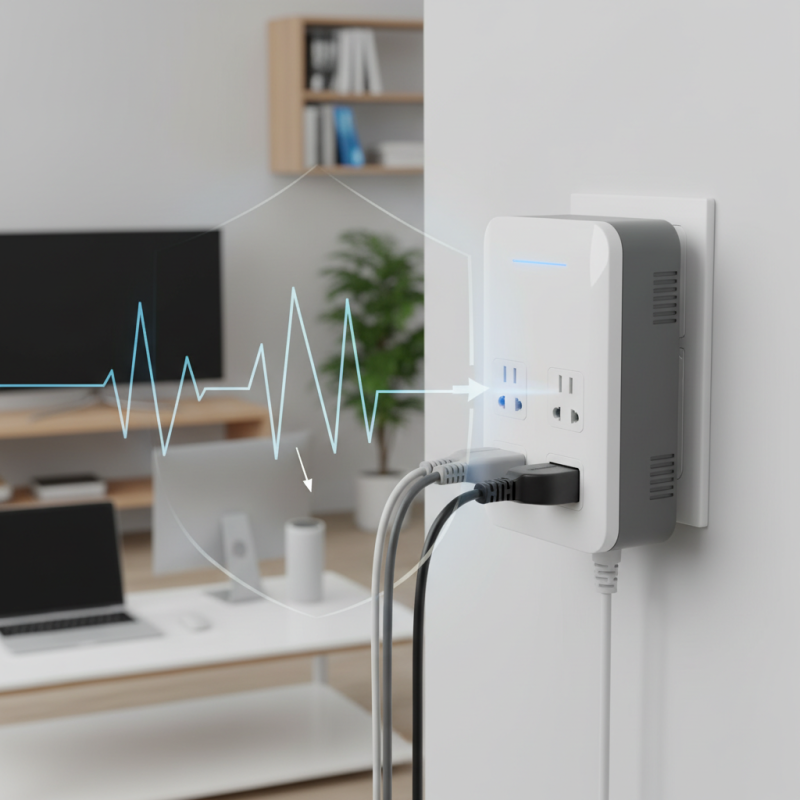
What is an Overload Voltage Protector?
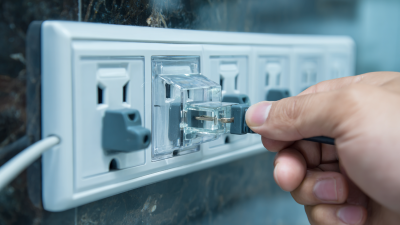
An overload voltage protector is a vital device that safeguards electrical systems. It monitors the voltage levels in a circuit. When these levels exceed safe boundaries, the protector intervenes. It automatically disconnects the power supply, preventing damage to connected appliances. This action is crucial in avoiding potential hazards.
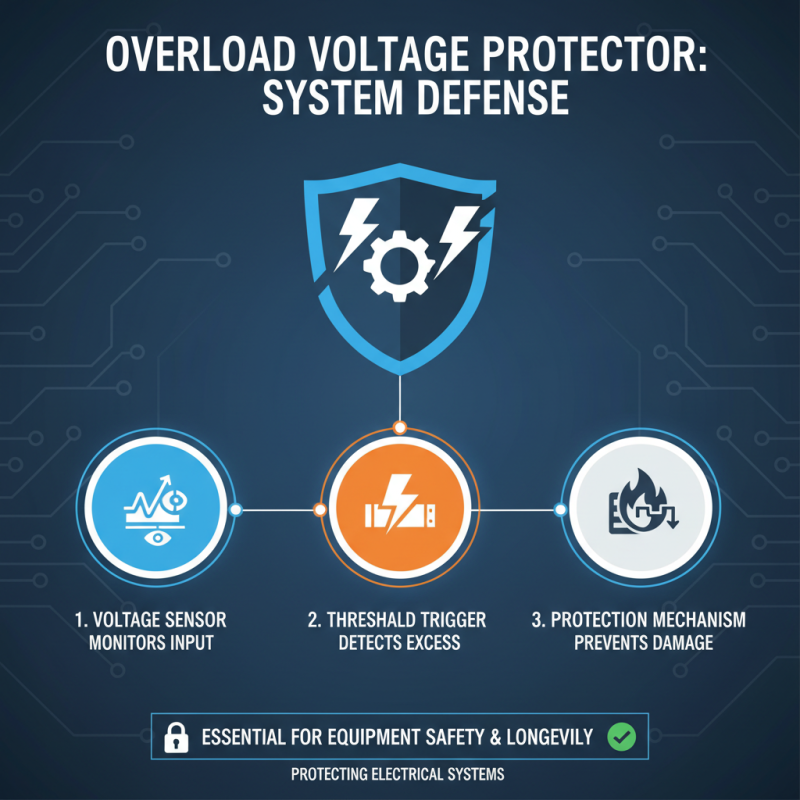
Understanding how an overload voltage protector works requires some technical insight. It typically contains a sensor that detects voltage anomalies. When an overload occurs, it sends a signal to trip the circuit breaker. This immediate response helps limit the risk of overheating or electrical fires. Observing how it operates can be enlightening, as it illustrates the importance of safety in electrical design.
However, not all overload protectors function perfectly. Some may fail to act when needed. This raises concerns about their reliability. Users must regularly inspect and maintain these crucial devices. In addition, learning about other similar devices, like the Protector Voltage Fridg Protector, can enhance safety awareness. By understanding their limits, users can take better care of their electrical systems.
The Importance of Overload Voltage Protection in Electrical Systems
Overloading voltage in electrical systems can lead to catastrophic failures and equipment damage. This is where overload voltage protectors come into play. They help ensure that in case of a voltage spike, the equipment remains safe. Such protectors act as a barrier, interrupting abnormal voltage levels to prevent serious damage. In homes and industries, these devices play an essential role.
The importance of overload voltage protection cannot be overstated. Every electronic equipment can fail if subjected to excessive voltage. This failure may not happen immediately, but it can have long-term impacts. Over time, appliances may wear down faster without adequate protection. High voltage can degrade insulation, leading to short circuits. A Voltage Protector Surge Protector can mitigate these risks effectively.
Yet, even with protective devices in place, failures can still occur. Sometimes, people might overlook the need for regular testing. They might think that the device will function without maintenance. This kind of thinking can lead to vulnerabilities. Vigilance in monitoring electrical systems is key to ensuring reliability. Regular checks on protectors can help avoid unexpected failures and costly repairs.
Overload Voltage Protection in Electrical Systems
This bar chart illustrates the importance of overload voltage protection in various electrical systems. The data represents the effectiveness of overload voltage protection devices in preventing damage across different applications.
How Overload Voltage Protectors Function: A Technical Overview
Overload voltage protectors serve a crucial purpose in electrical systems. They monitor voltage levels and detect excessive surges. When a device senses an overload voltage, it reacts swiftly. This can prevent damage to sensitive electronics. The protector identifies abnormal conditions and disconnects the circuit. Such actions are vital to ensure the longevity of equipment.
These protectors use various mechanisms. Some rely on fuses. Others employ circuit breakers. Each type has its unique functionality. For instance, a fuse melts when the voltage exceeds a set limit. This interrupts the current flow. Meanwhile, circuit breakers can be reset after the issue is resolved. Overload voltage protectors are essential in residential and industrial environments. They help maintain a stable power supply.
However, these devices aren't foolproof. Improper installation can lead to failures. It's essential to consider the load capacity. Regular maintenance checks are important too. Users sometimes overlook these details, which can lead to issues. Awareness of potential problems can help in addressing them. Overall, understanding how overload voltage protectors function can be a game-changer in effective electrical management.
What is an Overload Voltage Protector and How Does It Work?
| Feature | Description | Functionality | Applications |
| Voltage Rating | The maximum voltage level the protector can handle. | Activates when voltage exceeds a predetermined threshold. | Household appliances, industrial machinery. |
| Response Time | The time taken to detect an overload and activate protective measures. | Typically under milliseconds for effective protection. | Computer systems, electronic devices. |
| Cut-off Mechanism | Method by which power is disconnected during an overload event. | May include fuses, circuit breakers, or electronic switches. | Commercial and residential power supply systems. |
| Indicator Light | Visual signal for operational status or malfunction. | Turns on or off based on system state. | User interfaces in electrical devices. |
| Surge Protection | Ability to protect against voltage spikes and surges. | Utilizes varistors or gas discharge tubes. | Electrical installations, telecommunication systems. |
Key Components of an Overload Voltage Protector
Overload voltage protectors are essential devices that defend electrical systems against excessive voltage. Key components within these protectors play a critical role. The primary element is the voltage sensor, which monitors the electrical input. If the voltage exceeds a preset limit, the sensor triggers a response. This mechanism is crucial in preventing damage to equipment.
Another important component is the tripping mechanism. This device interrupts the power supply once an overload is detected. It can be mechanical or electronic. Sometimes, the response may not be instantaneous. This delay could lead to potential risks. Users must ensure that the tripping mechanism is properly calibrated for their specific needs.
Lastly, the reset mechanism allows the protector to resume normal function after an overload condition. However, not all reset mechanisms are equally reliable. Some systems may require manual resetting, which could lead to operational delays. It's important to choose components that suit the environment and intended use, as this affects overall performance. Each element of an overload voltage protector contributes to its effectiveness. Users should always consider these details when selecting a protector.
Industry Standards and Testing for Overload Voltage Protectors
Overload voltage protectors play a crucial role in safeguarding electrical devices. These protectors must comply with stringent industry standards. Testing guidelines are detailed in various reports, such as those from the Institute of Electrical and Electronics Engineers (IEEE). These standards emphasize the importance of accurate overvoltage detection. Adhering to these guidelines ensures devices operate efficiently.
According to recent studies, over 30% of electronic failures arise due to overvoltage issues. Industry reports suggest that the implementation of Voltage Relay Voltage Protectors can reduce these failures significantly. Effective testing parameters include voltage rating, response time, and durability. However, many protectors still struggle to meet these parameters.
Some protectors fail under extreme conditions. A notable report indicated that 10% of samples did not pass durability tests. This inconsistency highlights a need for improvement in manufacturing processes. Devices with weak overload voltage protection might not achieve their potential. Investing in robust testing methods could elevate industry standards.
Applications of Overload Voltage Protectors in Various Industries
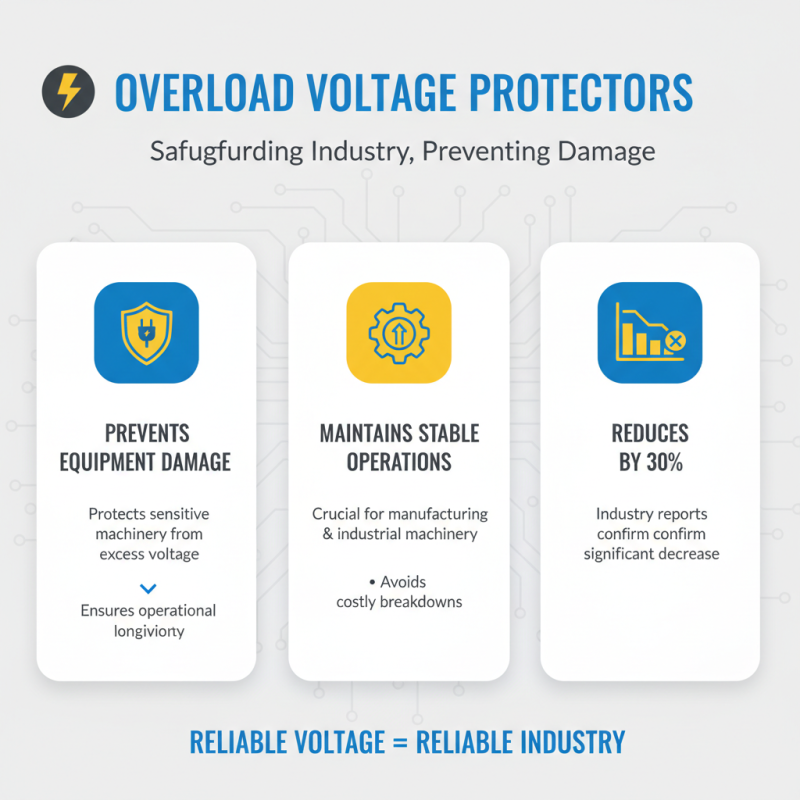
Overload Voltage Protectors are vital in many industries. They prevent damage from excess voltage. In manufacturing, for instance, machinery relies on stable voltage. A spike can cause breakdowns. According to industry reports, improper voltage can lead to a 30% increase in equipment failures. This highlights the need for reliable Voltage Protectors.
In the electrical sector, overload voltage protectors play a crucial role. They safeguard transformers and generators. A recent study showed that power outages due to voltage spikes cost industries millions. Without these protectors, the risk of electrical fires increases. For example, not using adequate Voltage Meters can result in severe incidents. It raises questions about current safety practices in installations.
The transportation industry also benefits significantly. Many vehicles depend on stable electrical systems. A voltage surge can disrupt operation and lead to accidents. Correct use of Voltage Protectors is crucial. Failure to implement these devices might reflect careless approaches to safety. It is essential to reevaluate the protocols in place. Adjusting voltage levels may prevent future risks. An ongoing conversation is needed about improvements.
Future Trends in Overload Voltage Protection Technology
The future of overload voltage protection technology is evolving rapidly. New advancements are focusing on enhanced sensitivity and faster response times. This shift is crucial for protecting devices from electrical surges. As more smart devices enter the market, overload protectors must adapt.
Artificial intelligence is playing a significant role in this evolution. Smart systems can learn from previous overload events. They can predict when a surge may occur, reducing damage. Additionally, innovative materials are being researched for creating more compact protectors. These new materials promise to improve efficiency and reliability.
Yet, challenges remain. Designing affordable and effective solutions is difficult. There is also the question of integration with existing systems. Not all current devices may support these new technologies. Collaboration among engineers and manufacturers is essential to address these issues effectively. Future trends will surely lead to more robust solutions, but reflection on past limitations is necessary for continued progress.
A Comprehensive Overview of 3P 150VDC T2 Surge Protective Device for Medium Voltage Systems
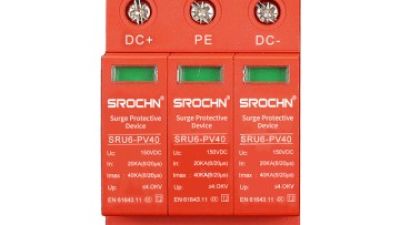
The 3P 150VDC T2 Surge Protective Device (SPD) is an essential component designed specifically for safeguarding medium voltage DC systems from the damaging effects of transient overvoltages and lightning strikes. Its robust plastic housing provides excellent electrical insulation and mechanical stability, making it ideal for challenging environments where reliability is paramount. With a maximum discharge capacity of 40kA and a nominal discharge current of 20kA, this SPD ensures that the electrical equipment remains protected during voltage surges that could otherwise lead to catastrophic failures or costly downtime.
The compact design of this device, measuring 9.5×7.5×7 cm, coupled with its lightweight structure of just 0.317 kg, facilitates easy installation in spaces where optimization is crucial. Its streamlined profile makes it suitable for various applications, making it a versatile choice for engineers and technicians aiming to enhance system resilience. The importance of a reliable surge protection mechanism cannot be understated, as it not only prolongs the lifespan of vital electrical components but also helps maintain operational continuity in sensitive medium voltage DC applications.
Conclusion
An Overload Voltage Protector is a critical device designed to safeguard electrical systems from voltage spikes that can cause damage to equipment and reduce reliability. By monitoring voltage levels, these protectors automatically disconnect power when unsafe conditions are detected, thereby preventing potential overload scenarios.
The importance of Overload Voltage Protectors spans various industries where electrical equipment is used, ensuring the longevity and safe operation of systems. These devices consist of key components such as sensors, circuit breakers, and control mechanisms that work together to provide effective protection. As technology evolves, so do the standards and testing methods for these protectors, highlighting their crucial role in modern electrical safety. With growing concerns about electrical reliability, the future of Overload Voltage Protection seems promising, driven by innovations that enhance their effectiveness and adaptability across applications.

 +86 13868429846
 Contact Phone
 Contact Email