+86 13868429846 


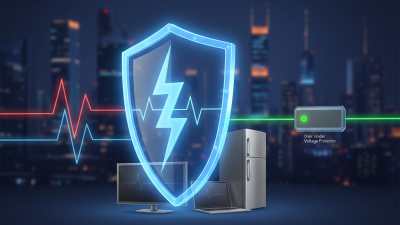
In today's fast-moving tech world, making sure electrical systems are safe and reliable is more important than ever. One device that’s especially crucial for protecting your equipment from voltage swings is the Over Under Voltage Protector. Think of it as a smart guard that keeps an eye on the voltage levels running through your system. It kicks in to prevent damage when the voltage gets either too high or too low. By catching these unusual conditions early, the protector helps avoid costly damage to your appliances, lights, and other key components — ultimately helping everything last longer and stay working smoothly.
If you’re dealing with electrical setups—whether at home or in a business—understanding how this protector works is pretty important. It’s packed with advanced sensors that automatically cut the power if something’s off, which can be a real lifesaver in preventing electrical fires or equipment failures. In this article, we’re going to cover the basics of what an Over Under Voltage Protector does, why it matters in different settings, and how it can benefit both homeowners and industrial facilities. As we go along, you’ll see just how essential it is to include these kinds of protective devices in your electrical system.
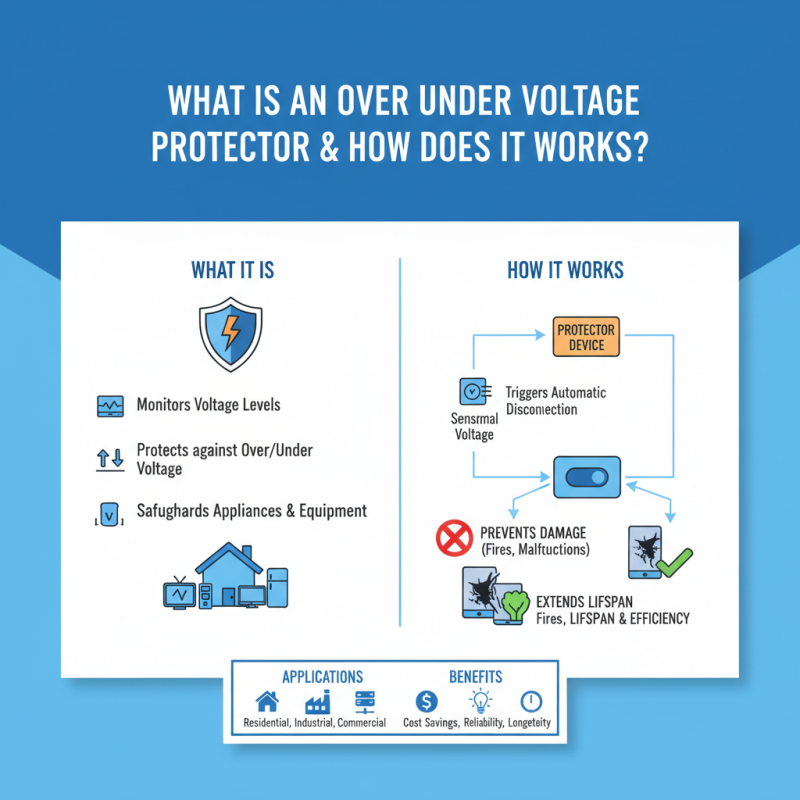
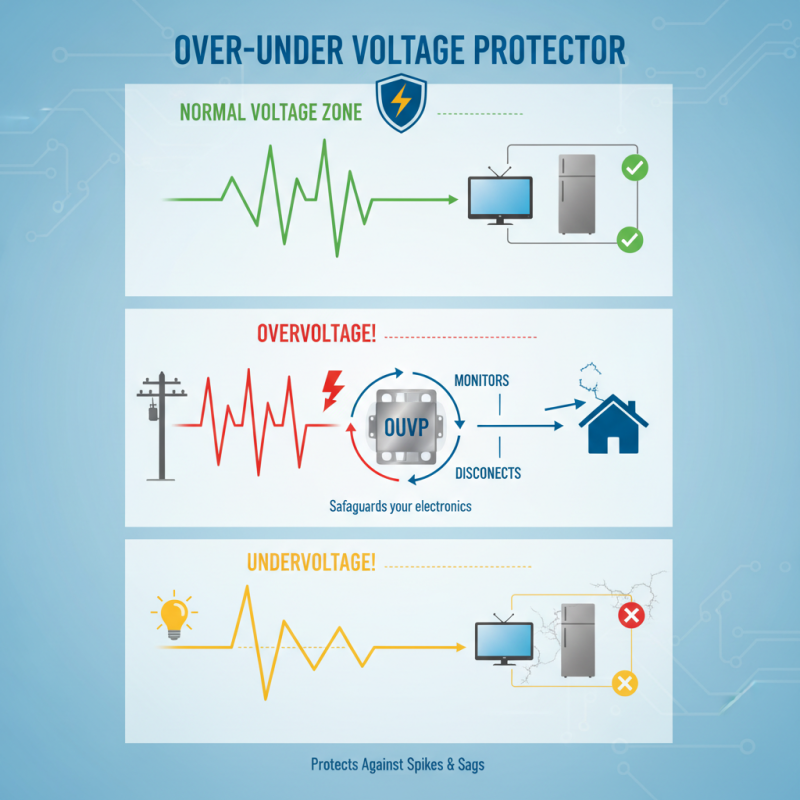
An Over Under Voltage Protector (OUVP) is a crucial device designed to safeguard electrical systems from voltage fluctuations that fall outside safe operating limits. This protector monitors the voltage supply to various electrical equipment and provides an immediate response when it detects conditions that exceed preset thresholds. In essence, it acts as a guardian, ensuring that devices are not subjected to potentially damaging overvoltage or undervoltage situations.
The primary function of an Over Under Voltage Protector is to prevent equipment failure or electrical hazards caused by abnormal voltage levels. When the voltage exceeds the upper limit, the OUVP disconnects the supply, shielding the equipment from the risk of overheating or catastrophic failure. Conversely, if the voltage drops below the lower threshold, the device also intervenes to preserve the functionality of the connected systems. This proactive approach enhances the reliability and longevity of electrical appliances and prevents costly repairs, making OUVP an essential component in various industrial, commercial, and residential electrical systems.
Electrical systems are critical to the functioning of modern society, powering everything from homes to industrial facilities. With the increased reliance on sensitive electronic devices, the need for voltage protection has become paramount. An over under voltage protector is designed to maintain voltage levels within safe limits, preventing damage to equipment caused by voltage fluctuations. According to a report by the International Electrotechnical Commission (IEC), voltage irregularities are responsible for more than 30% of electrical equipment failures, which underscores the importance of implementing protective measures.
In particular, the loss of power supply or damage caused by voltage spikes can lead to significant financial losses and downtime. The Electrical Safety Foundation International (ESFI) estimates that electrical failures result in approximately $1.4 billion in property damage annually in the United States alone. Voltage protection not only safeguards machinery and prolongs its life but also improves the overall reliability of electrical systems. Furthermore, with the rise of renewable energy sources and grid complexities, maintaining stable voltage levels becomes even more crucial to ensure uninterrupted power supply and optimal performance of electrical devices.
An Over Under Voltage Protector (OUVP) is a crucial device used to safeguard electrical systems from voltage fluctuations that can lead to equipment damage or failure. The effectiveness of an OUVP largely hinges on its various components, each of which plays a significant role in monitoring and regulating voltage levels. The primary components include voltage sensors, microcontrollers, and relays.
Voltage sensors are responsible for continuously measuring the incoming voltage levels and detecting any anomalies. According to industry reports, the precision of these sensors is key, as inaccuracies could lead to improper voltage regulation. A microcontroller processes the information received from the sensors and determines if the voltage is within acceptable limits. This component is vital for the quick response of the protector, as it must act within milliseconds to prevent damage. Finally, the relay is the physical mechanism that disconnects the electrical load when unsafe voltage levels are detected, effectively protecting connected equipment from potential harm.
In addition to these core components, some advanced OUVPs incorporate communication modules that allow for remote monitoring and control, enhancing the versatility and functionality of the device. This feature aligns with the increasing demand for smart grid technologies, as reported by the International Energy Agency, which indicates a projected annual growth rate of 20% in the smart grid sector over the next decade. By leveraging these advanced components, OUVPs not only contribute to equipment longevity but also to the overall efficiency and reliability of electrical systems.
| Parameter | Description | Typical Range | Functionality |
|---|---|---|---|
| Nominal Voltage | The standard voltage level for electrical systems. | 120V / 240V | Defines the level at which the protector operates. |
| Under Voltage Threshold | The minimum voltage limit before the device activates. | 95V - 105V | Disables equipment to prevent damage from low voltage. |
| Over Voltage Threshold | The maximum voltage limit before the device activates. | 130V - 138V | Disconnects to prevent overload and equipment damage. |
| Response Time | The speed at which the protector responds to voltage changes. | Less than 1 second | Critical for protecting sensitive electronic equipment. |
| Reset Method | The process to restore functionality after a fault condition. | Automatic / Manual | Ensures safe operation post-event. |
Over under voltage protectors are essential devices designed to monitor voltage levels and prevent damage to electrical equipment. These protectors function by continuously measuring the incoming voltage supply and comparing it to predetermined thresholds. When the voltage falls below the lower limit or exceeds the upper limit, the protector activates instantly, disconnecting the equipment from the power source. This action not only safeguards appliances but also reduces the risk of electrical fires caused by overvoltage or under-voltage situations.
To ensure optimal performance of your over under voltage protector, here are a couple of tips to consider. First, choose a protector with adjustable voltage settings that can be tailored to your specific equipment needs. This flexibility ensures that the protection is suitable for your local voltage supply conditions. Secondly, regularly check and maintain the device to ensure it is functioning correctly. Over time, dust build-up or component wear can affect its performance and effectiveness.
By understanding how these protectors operate, you can take proactive steps to shield your electrical devices from potential harm. Keeping a close eye on their functionality and adapting settings as necessary will enhance their protective capabilities.
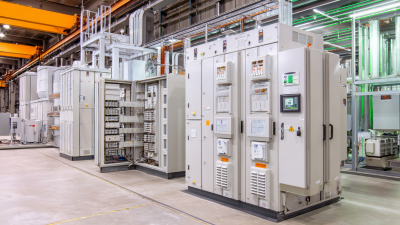
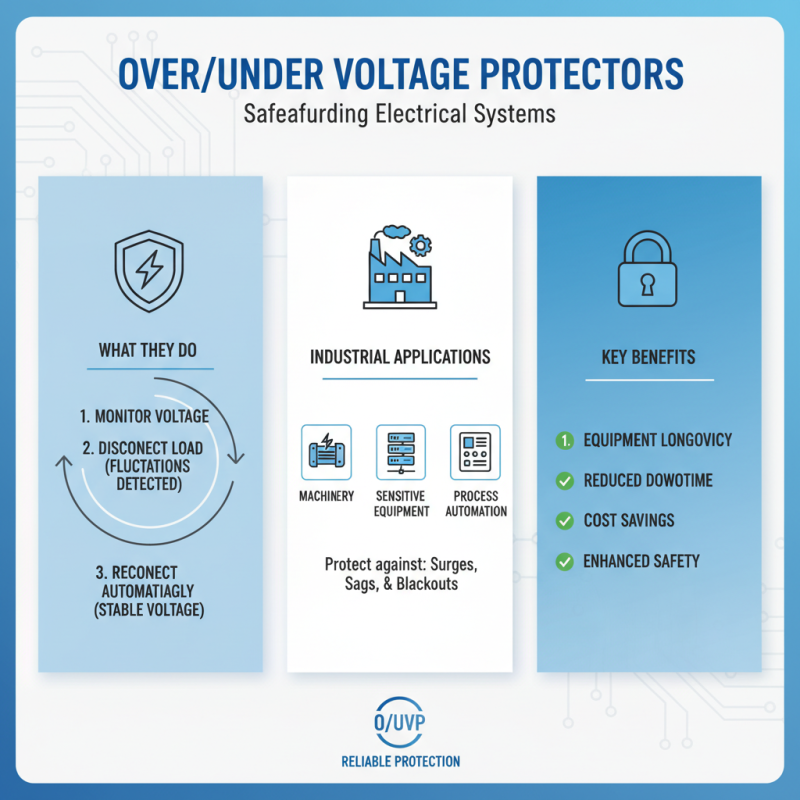
Over/under voltage protectors (O/UVP) are essential devices used in various applications to safeguard electrical systems from voltage fluctuations. One of the most common applications is in industrial settings, where machinery and equipment are sensitive to voltage surges and drops. These protectors monitor the voltage of the supply line and disconnect the load when voltage levels exceed or drop below preset thresholds. This ensures that expensive equipment remains operational and mitigates the risk of damage caused by electrical anomalies.
Residential applications also benefit from O/UVPs, particularly in homes with sensitive electronics such as computers, appliances, and home theater systems. These devices provide an added layer of protection against voltage spikes that can occur due to lightning strikes or grid issues, thus prolonging the lifespan of household devices and preventing costly repairs. Additionally, O/UVPs are frequently employed in renewable energy systems, including solar and wind installations, to protect inverters and batteries from harmful voltage conditions, ensuring these systems operate efficiently and reliably.
Over Under Voltage Protectors (OUVPs) are essential devices that safeguard electrical systems from voltage levels that are too high or too low. These protectors automatically disconnect the power supply when the voltage fluctuates beyond preset limits, thus preventing damage to equipment and ensuring a stable power supply. Understanding the benefits of using OUVPs can be crucial for both residential and industrial applications.
One of the primary benefits of utilizing Over Under Voltage Protectors is enhanced equipment lifespan. By preventing voltage anomalies, OUVPs help in reducing wear and tear on electrical components, ultimately extending their operational life. This is particularly important for sensitive equipment that can easily be damaged by voltage spikes or dips. Additionally, OUVPs contribute to energy efficiency; by maintaining optimal voltage levels, they minimize energy waste, which can lead to lower utility bills.
Tips for choosing the right OUVP include assessing the type of equipment you need to protect and evaluating the voltage range in which it operates. Furthermore, consider installing indicators or alarms that alert you of any disconnection actions taken by the protector, ensuring timely interventions if necessary. Regular maintenance checks can also enhance the reliability of your OUVPs, ensuring they continue functioning effectively over time.
Over Under Voltage Protectors (OUPs) are crucial for safeguarding electrical systems from voltage fluctuations that can cause damage to sensitive equipment. Regular maintenance and troubleshooting are essential to ensure the effective operation of these devices. Industry reports indicate that approximately 30% of equipment failures in industrial settings are due to electrical issues, underscoring the importance of reliable voltage protection.
When performing maintenance on an OUP, it’s important to regularly inspect the device for signs of wear or damage. Checking connections and ensuring that the protector is calibrated correctly can prevent potential voltage-related incidents. According to a study by the Electrical Safety Foundation International (ESFI), implementing a routine maintenance schedule can extend the lifespan of voltage protectors by up to 40%, ultimately reducing operational costs.
For troubleshooting, familiarize yourself with common indicators of malfunction. If the OUP frequently trips or fails to reset, this may point to an underlying electrical issue. It’s advisable to monitor the device’s performance on an ongoing basis. Keeping accurate records of any anomalies will aid technicians in diagnosing problems quickly. Remember, proper maintenance not only enhances safety but also optimizes performance, ensuring that your electrical systems remain protected against damaging voltage conditions.
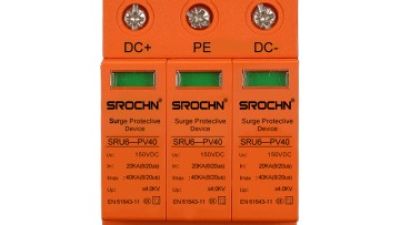
In today's rapidly advancing technological landscape, the safety of medium voltage DC systems is of paramount importance. The use of a 3P 150VDC T2 Surge Protective Device (SPD) has emerged as a crucial measure to mitigate the risks associated with lightning strikes and transient overvoltages. This sophisticated three-pole SPD is specifically designed to provide robust protection for sensitive electronic equipment operating in 150VDC environments. Its advanced engineering delivers superior performance, ensuring that critical systems remain safeguarded against electrical surges commonly seen in various industrial applications.
Constructed from durable plastic, the SPD not only provides excellent electrical insulation but also ensures outstanding mechanical protection. With a maximum discharge capacity of 40kA and a nominal discharge current of 20kA, this device is capable of handling substantial surge events while maintaining the integrity of the connected equipment. Its innovative design incorporates cutting-edge protection technology, which plays a vital role in prolonging the lifespan of equipment and maintaining seamless operational continuity. As medium voltage DC systems continue to evolve, the adoption of high-performance surge protective devices becomes increasingly vital for enhancing system safety and reliability.
: An OUVP is a device designed to protect electrical systems from voltage fluctuations that exceed safe operating limits. It monitors voltage supply and responds immediately to abnormal conditions to prevent equipment damage.
The primary function of an OUVP is to disconnect the supply when voltage exceeds preset thresholds, thereby protecting equipment from overheating or catastrophic failure.
Essential components of an OUVP include voltage sensors, microcontrollers, and relays, each playing a role in monitoring and regulating voltage levels effectively.
Voltage sensors continuously measure incoming voltage levels and detect any anomalies, ensuring accurate voltage regulation to prevent equipment damage.
The microcontroller processes information from voltage sensors and determines if the voltage is within acceptable limits, allowing for a quick response to unsafe conditions.
The relay disconnects the electrical load when unsafe voltage levels are detected, protecting the connected equipment from potential harm.
Yes, some advanced OUVPs incorporate communication modules for remote monitoring and control, enhancing their functionality and versatility.
OUVPs improve the reliability and longevity of electrical systems, which can lead to increased energy efficiency and lower maintenance costs.
The benefits include preventing costly repairs, enhancing equipment lifespan, and providing a proactive approach to managing voltage levels to avoid electrical hazards.
OUVPs are essential in various industrial, commercial, and residential electrical systems to protect against voltage irregularities.
An Over Under Voltage Protector is a crucial device designed to safeguard electrical systems from voltage fluctuations that can cause damage or malfunction. These protectors play a vital role in maintaining the safety and reliability of electrical equipment by automatically disconnecting power during voltage surges or drops. The key components of an Over Under Voltage Protector include sensors, relays, and control circuits, which work together to monitor voltage levels and act accordingly.
In addition to their protective function, Over Under Voltage Protectors are widely employed in various applications, from industrial settings to residential systems, providing numerous benefits such as reduced equipment failure and enhanced system longevity. To ensure optimal performance, regular maintenance and troubleshooting are essential, helping to identify potential issues before they escalate into serious problems. Overall, Over Under Voltage Protectors are integral to modern electrical systems, offering peace of mind through voltage protection.