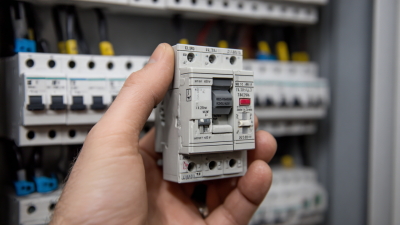
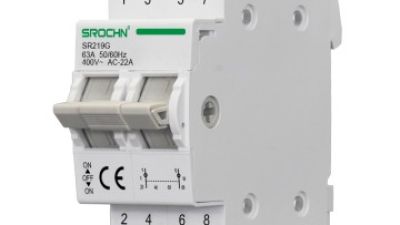
Alright, so when you're picking an electrical system, it’s super important to get a good grip on what an Mcb Mini Circuit Breaker actually does. Basically, these little devices are your safety net—they kick in to protect your wiring from overloads and short circuits. And let’s be honest, with all the gadgets and electronics we keep adding to our homes and offices, having reliable circuit protection is more crucial than ever.
Choosing the right Mcb Mini Circuit Breaker isn’t just a matter of picking something off the shelf. You’ve gotta think about how much stuff your circuits are gonna handle—like all the appliances, lights, and gadgets. If you pick the wrong one, you might find yourself dealing with annoying trips all the time, or worse, some safety risks. So, it’s a smart move to stick with brands that are reputable and meet international standards.
And if you’re feeling unsure, don’t hesitate to talk to a pro. They can help break down the technical stuff and give you the lowdown on installation. At the end of the day, your choice should be about reliability and making sure everything runs smoothly. Remember those times when a faulty breaker caused headaches? Yeah, it’s worth avoiding that. Picking the right Mcb Mini Circuit Breaker isn’t just about making things work—it’s about keeping your entire electrical setup safe and sound.
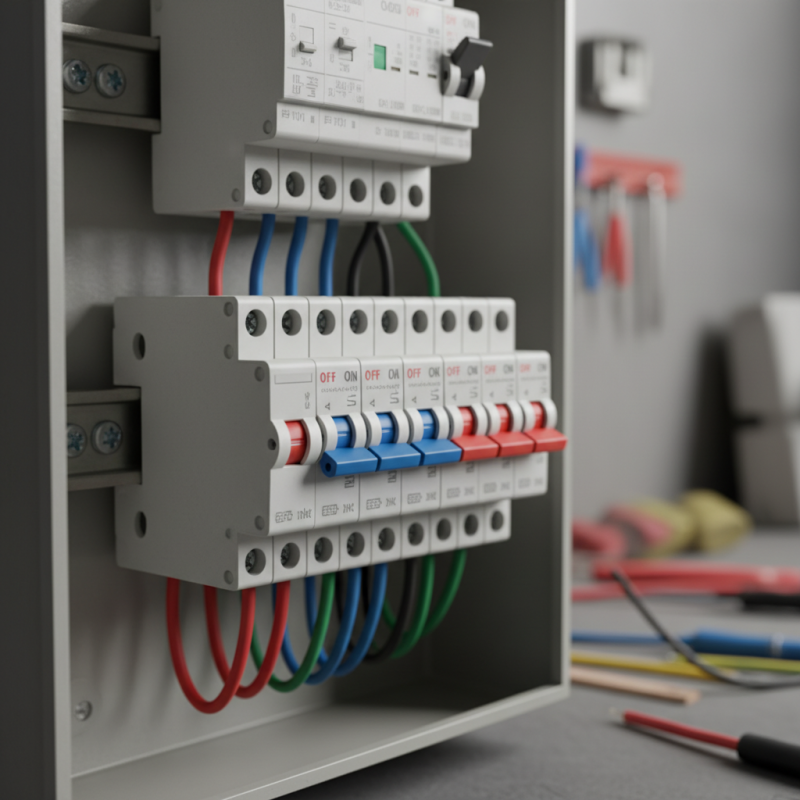
Understanding Mini Circuit Breakers: An Overview
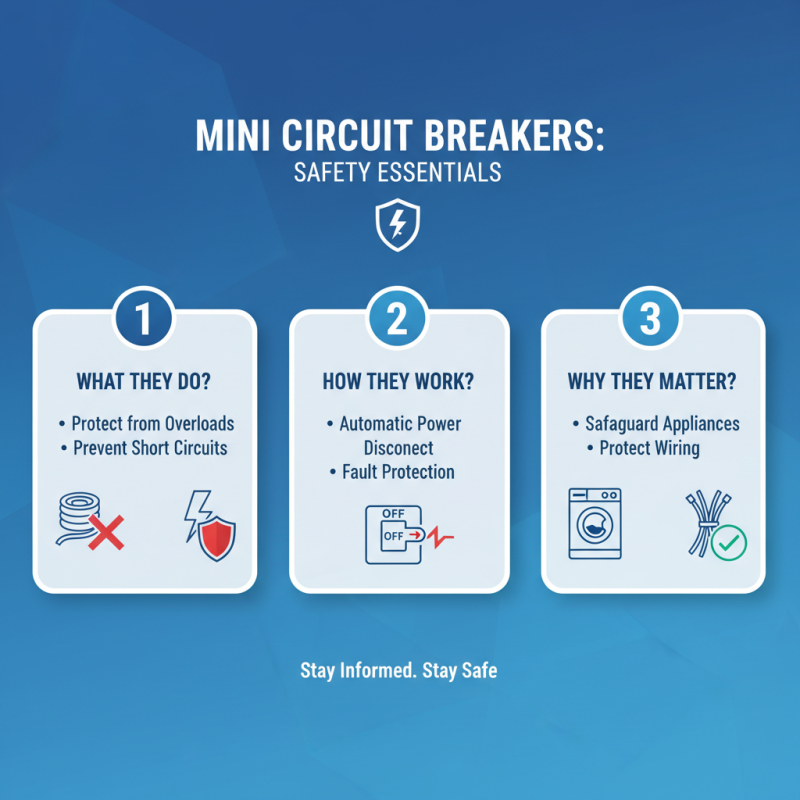
Mini circuit breakers (MCBs) are essential for electrical safety. They safeguard circuits from overloads and short circuits. Understanding their functionality helps in making informed choices. MCBs automatically disconnect power during faults, protecting both appliances and wiring.
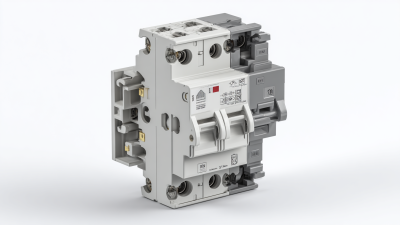
When selecting a 2p Mini Circuit Breaker Mcb, consider the load and application. Each device is rated for specific amperages. Using an MCB that matches your circuit's capacity is crucial. An oversized MCB may not protect adequately, while an undersized one could trip unnecessarily. Veering off this balance can lead to problems.
Not all MCBs are equal. Differences in design and specifications affect performance. Investigate the type of MCB suitable for your needs. Think about where it will be installed—residential or commercial settings may require different considerations. The choice impacts overall reliability and safety. Failures in circuit protection can be costly and dangerous.
Key Factors to Consider When Choosing an MCB
When selecting the right MCB (Mini Circuit Breaker), several key factors demand attention. Understanding the specifications of an Mcb Ac Mini Circuit Breaker is crucial. The rated current, often expressed in amperes, defines the maximum current the breaker can handle. Industry reports indicate that choosing a breaker with a rating 10-20% higher than the expected load can provide a safety buffer. This detail minimizes the risk of nuisance tripping while ensuring reliable operation.
Another important factor is the breaking capacity. This parameter indicates the maximum fault current the MCB can interrupt without damaging itself. Data suggests that MCBs with a breaking capacity of at least 6kA are preferable for residential applications, while commercial settings may require higher ratings. Ensure that the selected MCB complies with local electrical regulations and standards for optimal safety.
Tips for choosing include checking manufacturer specifications thoroughly. Inspect the product documentation for detailed information on installation and compatibility. Consulting with a licensed electrician can prevent costly mistakes. Remember, even minor oversights, like miscalculating load requirements, could lead to failures. Staying informed enhances decision-making, reinforcing safety and reliability in your electrical system.
Differentiating Between Types of MCBs: Single-Pole vs. Multi-Pole
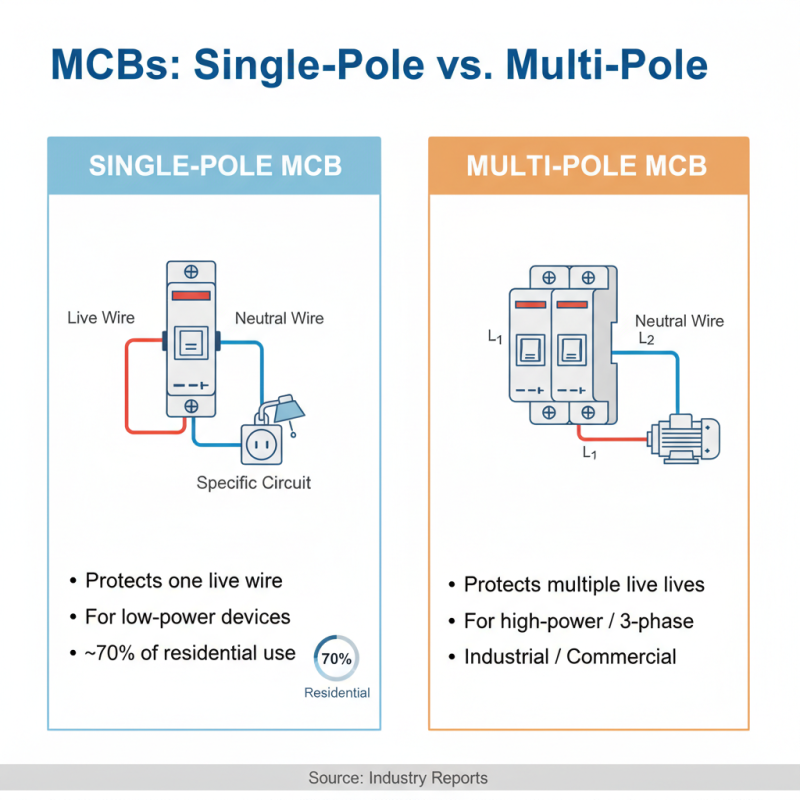
When selecting a mini circuit breaker (MCB), understanding the distinction between single-pole and multi-pole types is crucial. Single-pole MCBs serve a specific circuit. They interrupt the current of a single live wire, offering essential protection for low-power devices. Industry reports indicate that around 70% of residential installations utilize single-pole breakers due to their efficiency in safeguarding household equipment.
On the other hand, multi-pole MCBs cater to larger circuits. They control multiple live wires, making them ideal for industrial and commercial applications. According to recent data, these breakers account for nearly 30% of the market. Their design can handle higher loads, critical in environments with intense electrical demands. However, they can complicate circuit management.
Choosing the right type hinges on the application and load requirements. Multiple single-pole breakers might suit smaller needs, while multi-pole varieties fit high-powered setups. Overlooking these distinctions can lead to inadequate protection or inefficient performance. Understanding the operational context ensures the ideal match for electrical safety and reliability.
Evaluating the Current Rating: How Much Ampacity Do You Need?
When selecting a mini circuit breaker (MCB), understanding the current rating is crucial. Ampacity refers to the maximum amount of electrical current a device can handle before overheating. A mismatch can lead to inefficient circuit performance or even fire hazards. Reports from the National Fire Protection Association state that most electrical fires involve faulty wiring or breakers. Therefore, assessing your needs accurately is essential.
For residential and small commercial use, a 63a Mini Circuit Breaker Mcb is often a reliable option. Each circuit should match the expected load. According to recent data, circuits typically distribute between 10 to 20 amps in homes. However, larger appliances such as HVAC systems may require breakers with higher ratings. Installing a breaker rated lower than the load can cause frequent tripping, leading to frustration and downtime.
Consider your usage patterns. Are there moments of high demand? Do you use multiple devices simultaneously? Evaluating these factors can prevent your MCB from reacting poorly to load surges. Additionally, it's wise to consult with an electrician. They can help determine if your breakers need upgrading or replacing. Ultimately, ensuring that your MCB matches your expected ampacity can provide peace of mind for your electrical setup.
2026 Mini Circuit Breaker Current Ratings
This chart displays the distribution of different current ratings for mini circuit breakers (MCBs) in amps. Understanding these ratings is essential for selecting the appropriate MCB for various electrical applications.
Understanding Tripping Characteristics: C vs. B vs. D Curves
Choosing the right Mini Circuit Breaker (MCB) is crucial for electrical safety and efficiency. One of the key aspects is understanding tripping characteristics. MCBs are commonly classified based on their tripping curves: B, C, and D. Each curve serves a distinct purpose based on the nature of the load they protect.
B Curve MCBs are designed for domestic and light commercial applications. They trip at a range of 3 to 5 times the rated current. This makes them ideal for resistive loads like lighting. In contrast, C Curve MCBs trip at 5 to 10 times the rated current. They are more suitable for commercial settings with inductive loads such as motors. According to a report by the International Electrotechnical Commission (IEC), the choice of curve can significantly impact equipment lifespan.
D Curve MCBs trip at currents over 10 times the rated current, which makes them essential for heavy machinery and industrial applications. For users with diverse setups, like those using Dc Mcb Pv Mini Circuit Breakers for solar applications, understanding these characteristics is vital. Selecting the wrong curve may lead to nuisance tripping or, worse, equipment damage. More than 40% of electrical failures stem from incorrect MCB selection. Reflecting on this statistic can influence future design decisions.
Safety Certifications and Standards for MCBs: What to Look For
When selecting a mini circuit breaker (MCB), safety certifications and standards are crucial. Look for compliance with international standards like IEC 60898. This code ensures performance and safety. It indicates that the MCB has undergone rigorous testing. Such certifications can reflect reliability in protecting electrical circuits.
Check for local safety certifications as well. These may vary by region but often meet or exceed international standards. It’s important that the MCB is tested in environments similar to yours. This can prevent potential failures and hazards. Reviewing the technical documentation is essential. It details the specific ratings and characteristics of the device.
Understanding the different types of MCBs can also be challenging. Select the one that aligns with your specific needs. Consider environmental factors like humidity and temperature. Sometimes, an MCB ideal for one situation may not suit another. Be prepared to explore beyond the obvious. Evaluating these aspects may reveal areas for improvement. Learning from past choices helps refine future selections.
Installation and Maintenance Considerations for Mini Circuit Breakers
When installing mini circuit breakers (MCBs), proper placement is crucial. Ensure they are easily accessible for maintenance and monitoring. Avoid placing them in dark or confined spaces. Good lighting helps identify issues quickly. Location matters. Consider environmental factors, such as moisture and temperature. These can affect MCB performance and lifespan.
Regular maintenance is vital for MCB efficiency. Check the connections and terminals regularly for signs of wear. Loose connections may lead to failure. It’s wise to conduct routine inspections at least once a year. Look for discoloration or burn marks. These indicate potential problems that require immediate attention.
Educating yourself about tripping mechanisms is essential. Understand the differences between thermal and magnetic tripping. A balanced load across the phases can reduce the chances of nuisance tripping. Each installation is unique, and adjustments may be necessary over time. Staying vigilant and proactive ensures your system remains reliable and safe.
2026 How to Choose the Right Mcb Mini Circuit Breaker? - Installation and Maintenance Considerations for Mini Circuit Breakers
| Parameter | Description | Importance Level |
| Current Rating | Select based on the load requirements; should match or slightly exceed actual load. | High |
| Tripping Characteristics | Determine the type (B, C, D) based on the nature of the load (resistive vs inductive). | Medium |
| Number of Poles | Choose based on the circuit configuration (single-phase, three-phase). | High |
| Voltage Rating | Ensure it's suitable for the system voltage. | High |
| Installation Environment | Consider factors such as temperature, humidity, and ventilation. | Medium |
| Maintenance | Regular testing and inspection recommended to ensure functionality. | High |
Optimizing Solar Energy Management: The Benefits of Dual Power Manual Transfer Disconnectors and Interlock Circuit Breakers
As the demand for renewable energy sources increases, optimizing solar energy management becomes crucial for both efficiency and safety. Dual power manual transfer disconnectors and interlock circuit breakers play a significant role in this optimization. By integrating these components into solar energy systems, users can ensure a seamless transition between power sources while maintaining high safety standards. Recent industry reports indicate that the adoption of such technologies can enhance reliability in power distribution, particularly in environments subjected to variable energy flows.
The SR219G-125 disconnector exemplifies a robust solution for managing power in distribution and control circuits. Designed for AC frequencies of 50/60Hz with a rated current of 125A and voltage capacities of up to 400V, this disconnector is well-suited for diverse applications, including industrial settings, high-rise buildings, and residential areas. These disconnectors serve as the primary switches in combined electrical apparatus, enabling infrequent control of low-power devices and lighting. Such versatility not only streamlines energy management but also underscores the importance of safety in energy transitions.
Furthermore, interlock circuit breakers complement these systems by preventing unauthorized access and ensuring that power cannot inadvertently flow to an isolated circuit, reducing the risk of accidents during maintenance. The integration of dual power manual transfer disconnectors with interlock circuit breakers represents a significant advancement in solar energy management, providing a safer and more reliable infrastructure for energy consumers. The confluence of these technologies not only meets current safety standards but also positions industries to effectively meet future energy demands.
FAQS
: The right current rating prevents overheating and ensures efficient circuit performance, reducing fire hazards.
It's recommended to choose a rating 10-20% higher than the expected load to minimize nuisance tripping.
An MCB with a breaking capacity of at least 6kA is usually recommended for residential settings.
Single-pole MCBs protect low-power devices; multi-pole MCBs control larger circuits in commercial settings.
Manufacturer specifications provide detailed information on installation and compatibility, preventing costly mistakes.
Consider peak demands and simultaneous device usage to prevent issues with MCB reaction to load surges.
An electrician can assess your needs and recommend upgrades or replacements to ensure safety and reliability.
Miscalculating load requirements can lead to inadequate protection and inefficient circuit performance.
Choosing the wrong type may result in insufficient protection or operational inefficiencies for your setup.
Knowing which MCB to choose ensures proper protection and reliability, which is critical for safety.
Conclusion
When selecting an MCB Mini Circuit Breaker, it's essential to understand the various types available and how they perform under different conditions. Mini Circuit Breakers come in single-pole and multi-pole configurations, catering to diverse electrical needs. Key factors to consider include the required current rating—how much ampacity is needed for your specific application—and the tripping characteristics, which can vary between B, C, and D curves, impacting how the breaker responds to overloads and short circuits.
Furthermore, ensure that the MCB Mini Circuit Breaker meets necessary safety certifications and standards, as this ensures reliability and safety in operation. Lastly, installation and maintenance considerations are crucial to ensure long-lasting performance and minimal downtime, making proper choice and care of MCBs integral to any electrical system.

 +86 13868429846
 Contact Phone
 Contact Email