Leave Your Message
0%

Electromagnetic Contactors are pretty important parts of electrical systems. You’ll find them used to control how power flows in all sorts of applications. Basically, these devices work through electromagnetic fields that give a pretty strong pull. When they’re powered up, the contactor closes, letting electricity pass through. It’s fascinating how they switch things on and off!

Getting a good handle on how Electromagnetic Contactors operate can really help you choose the right one for your needs. They usually come with a coil, an armature, and contacts—simple but effective. Just make sure they’re installed properly because wiring mistakes can cause issues down the line. Also, don’t forget to pay attention to their voltage and current ratings; that’s crucial.

In industry, these contactors are the go-to for controlling heavy machinery and motors. They’re generally pretty dependable, but like anything, they could be better in some areas. Regular maintenance is a must—skipping it can cause wear and efficiency drops. Knowing what they can and can’t do helps a lot when you're trying to make smart choices about their use.
What are Electromagnetic Contactors and How Do They Work?

Definition of Electromagnetic Contactors

What are Electromagnetic Contactors and How Do They Work?

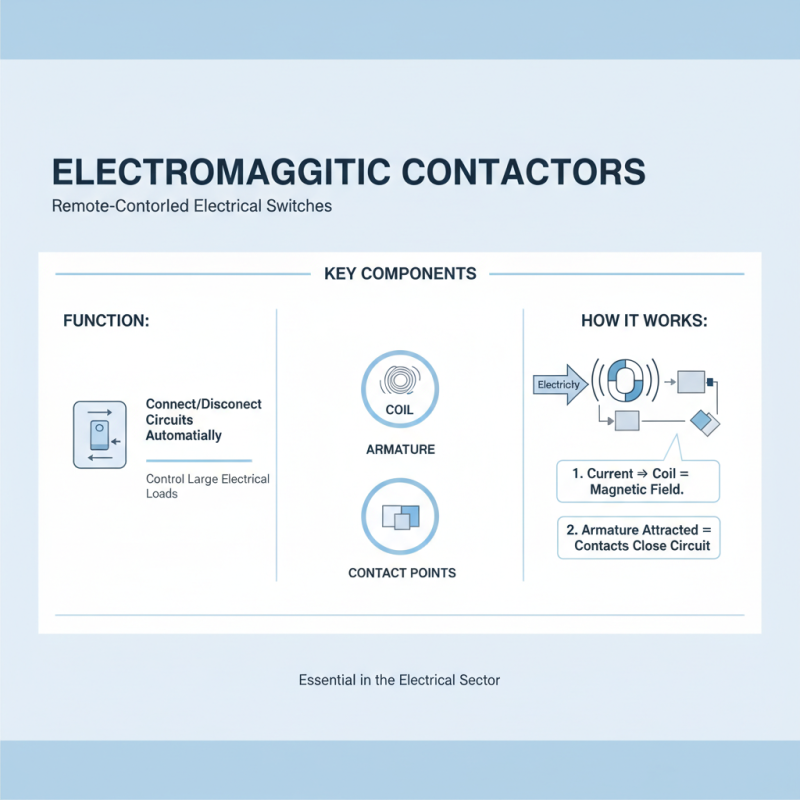
Electromagnetic contactors play a crucial role in the electrical sector, acting as remote-controlled switches. These devices automatically connect or disconnect circuits using electromagnetic force. Their design includes a coil, an armature, and contact points. When electricity flows through the coil, it generates a magnetic field that attracts the armature, closing the circuit. This process allows for the control of large electrical loads easily.

Data from industry reports indicate that the global market for electromagnetic contactors is expected to reach $4 billion by 2025. This growth is driven by rising demand for energy-efficient systems. However, it’s crucial to select the right type of Electromagnetic Switch Contactor for your specific needs. Not all are created equal, and a wrong choice can lead to inefficiencies.

**Tip:** Always check the voltage and current ratings. Misjudging these can cause failures. Maintenance routines should include regular inspections, as wear and tear can impact performance. Additionally, consider environmental factors like temperature and humidity, which can affect the lifespan of electromagnetic contactors and reduce overall effectiveness. Keep an eye out for signs of damage or wear, which could indicate it's time for a replacement.

Components of Electromagnetic Contactors

What are Electromagnetic Contactors and How Do They Work?

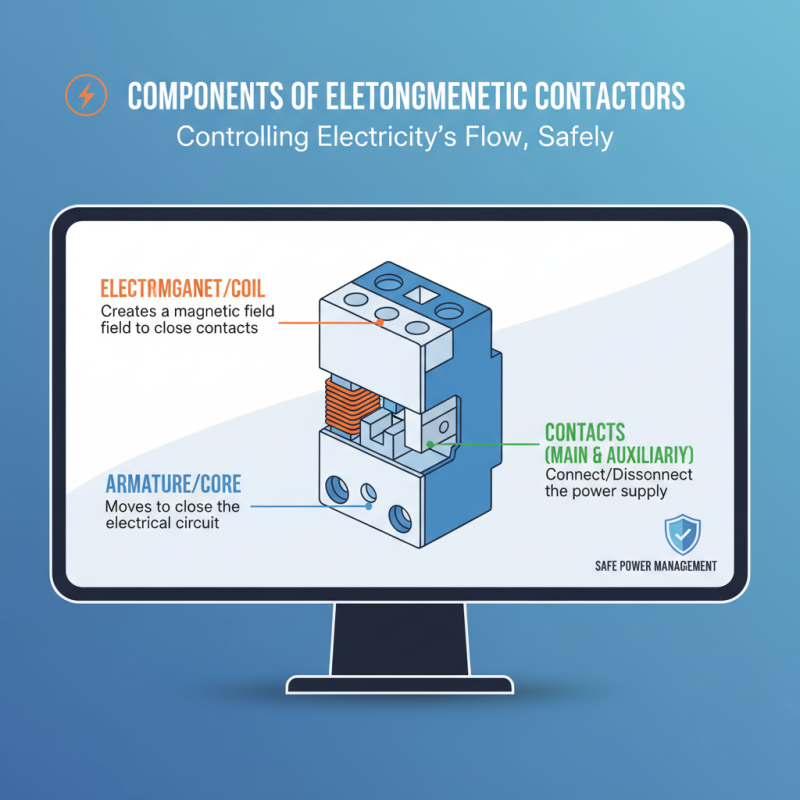
Electromagnetic contactors are essential in electrical circuits. They control the flow of electricity to various devices, offering a safe way to manage power. Understanding their components can help us appreciate their functionality and importance.

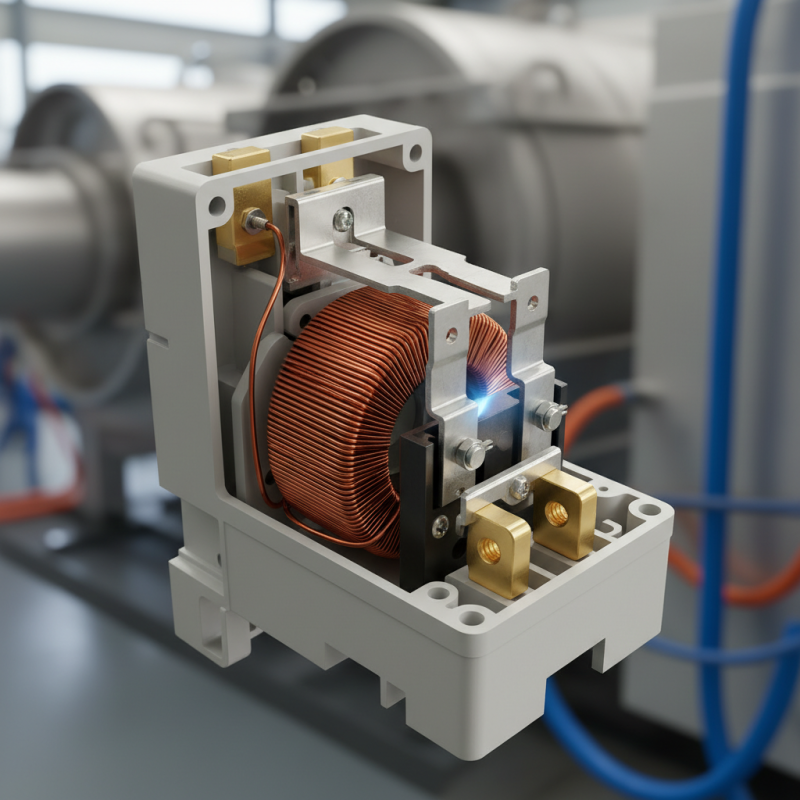
One critical part is the coil. It creates a magnetic field when electricity flows through it. This field pulls in a movable armature, closing the contacts. This actuation enables the flow of current to the connected load. The contacts themselves come in different configurations. They can be normally open or normally closed, affecting how they operate in the circuit.

Another vital component is the enclosure. It protects all inner parts from dust and moisture. A breakdown or wear in the contacts can cause issues. Sometimes, the armature may not return fully, leading to unwanted power failures. Examining these elements helps identify potential flaws. It reminds us that even small components play a significant role in overall performance.

How Electromagnetic Contactors Operate

Electromagnetic contactors are vital in controlling electrical circuits. They work by using electromagnetic coils to open or close contacts within a circuit. When voltage is applied to the coil, it generates a magnetic field. This field pulls in a movable contact arm, creating or breaking the connection in the circuit.

These devices are designed to handle large amounts of current. According to industry data, electromagnetic contactors can manage loads ranging from a few amperes up to thousands of amperes. They are commonly used in motor control applications. However, they are not infallible. Over time, contacts can wear out or become pitted, leading to increased resistance and potential failure. In some cases, contactors may fail to engage or disengage properly. Regular maintenance is essential to prevent this.

Understanding the operational mechanics is key. The coil voltage and the load conditions greatly influence performance. Data shows that nearly 15% of contactor failures are due to improper voltage application. This highlights the importance of matching specifications to application requirements. Continuous assessment and refinement of these devices can lead to improved reliability and efficiency.

What are Electromagnetic Contactors and How Do They Work?

Feature Description
Definition Electromagnetic contactors are electrically operated switches used to control large currents.
Operation Principle They work by using an electromagnet to mechanically close or open the circuit.
Components Main components include the coil, armature, contacts, and enclosure.
Common Applications Used in industrial automation, motor control, and HVAC systems.
Advantages Fast switching, reliable operation, and can control high power loads.
Safety Features Often include overload protection and short-circuit protection.
Types There are AC and DC contactors, each suited for different applications.

Applications of Electromagnetic Contactors in Industry

Electromagnetic contactors play a vital role in various industrial applications. One significant use is in motor control systems. These devices enable the safe operation of motors by connecting and disconnecting the power supply. When a motor is started, the Contactors Ac engage, allowing electricity to flow. When it's time to stop, they disengage, cutting off the power instantly.

Another application is in lighting control. Factories and warehouses often use contactors to manage large lighting systems. By doing so, they save energy and enhance safety. However, reliance on contactors sometimes leads to issues. Aging units may fail to operate correctly. Regular maintenance is essential to avoid unexpected downtime.

Contactors also find use in heating systems. They regulate the electric flow to heaters, ensuring consistent temperatures. This can be crucial in processes where temperature control is mandatory. Yet, if the contactor malfunctions, it can lead to overheating or insufficient heating, which could disrupt operations. Occasionally, industries overlook these details, leading to larger problems down the line.

Advantages of Using Electromagnetic Contactors

Electromagnetic contactors are essential components in electrical systems. They enable the control of high-power circuits using low-power signals. One major advantage is their ability to switch heavy loads efficiently. For instance, a report by the International Electrotechnical Commission noted that using contactors can improve energy efficiency by up to 15%. This is significant in large industrial applications where energy costs are a concern.

Another benefit of electromagnetic contactors is their durability. They are designed to handle thousands of cycles without failure. According to a study from the National Electrical Manufacturers Association, the lifespan of contactors can exceed 10 million switching cycles. This reliability reduces maintenance costs and downtime. Many industries opt for contactors rated for specific applications, such as the 40a Ac Contactors, which are ideal for managing motors and other equipment.

However, there are downsides. Electromagnetic contactors can be susceptible to electrical noise, leading to inadvertent operation. Also, their size may pose installation challenges in compact spaces. While they are favored for their efficiency, it's essential to assess specific needs before implementation. Selecting the right contactor entails understanding load requirements and environmental conditions.

Advantages of Using Electromagnetic Contactors

Maintenance and Troubleshooting of Electromagnetic Contactors

Electromagnetic contactors play a vital role in controlling high-power electrical loads. Regular maintenance of these devices ensures longevity and functionality. Checking connections is crucial. Loose connections can lead to overheating or failure. Inspect wiring for signs of wear. Damaged wires should be replaced immediately.

Tips for maintaining 3 Phase Contactors include periodic cleaning. Dust and debris can accumulate, affecting performance. Use a soft brush or compressed air to keep components clean. It's essential to check the coil voltage regularly. An incorrect voltage can cause malfunctioning. Monitor for unusual noises or vibrations, as these can indicate internal issues.

Troubleshooting should begin with the basics. Ensure the power supply is stable. A fluctuating current can create problems. Test the contactor's operation by manually activating it. If it fails to respond, there may be an underlying issue. Don’t overlook the importance of proper usage. Overloading a contactor can lead to premature wear. Remember to review load specifications often.

Safety Considerations with Electromagnetic Contactors

Electromagnetic contactors play a crucial role in electrical systems. They control high-power circuits by utilizing electromagnetic coils. However, safety considerations are paramount when using these devices. Data from industry reports indicate that improper handling can lead to accidents. For instance, faulty contacts can cause overheating and electrical fires.


Wiring mistakes are common. Many technicians underestimate the importance of following wiring diagrams. This oversight can lead to short circuits. Additionally, mechanical wear can compromise a contactor's effectiveness. Regular maintenance checks are essential. Staying alert to wear signs can prevent unexpected failures.

Lockout/tagout procedures must be followed. They ensure that contactors are safely de-energized before maintenance. Without proper precautions, risks multiply. In fact, the National Fire Protection Association highlights that faulty electromagnetic contactors are a leading cause of industrial electrical fires. Understanding these safety considerations can significantly reduce hazards.

FAQS

: Why is regular maintenance of electromagnetic contactors important?

: Regular maintenance ensures longevity and functionality, preventing issues like overheating or failure.

What should I check during maintenance?

Check connections for looseness and inspect wiring for signs of wear. Damaged wires need immediate replacement.

How can I keep contactors clean?

Use a soft brush or compressed air to remove dust and debris. Regular cleaning affects performance positively.

What voltage should I monitor in contactors?

It's essential to regularly check the coil voltage to prevent malfunctioning due to incorrect voltage.

What are signs of internal issues in contactors?

Unusual noises or vibrations can indicate internal problems, requiring immediate attention.

What should I do if a contactor does not respond?

Test it manually. If it fails to respond, there may be a deeper issue needing investigation.

How can improper usage affect contactors?

Overloading a contactor can lead to early wear and potential failure, compromising its effectiveness.

What common mistakes do technicians make?

Many underestimate the importance of wiring diagrams, which can lead to short circuits and operational issues.

Why are safety procedures necessary?

Lockout/tagout procedures ensure safe de-energization of contactors during maintenance, reducing risks of accidents.

What should I be aware of regarding mechanical wear?

Regular maintenance checks can prevent unexpected failures due to mechanical wear and compromised effectiveness.

Conclusion

Electromagnetic Contactors are essential electrical devices used to control high-power circuits. They consist of several key components, including coils, armatures, and contacts, which work together to facilitate the opening and closing of circuits. The operation of an electromagnetic contactor involves energizing the coil, creating a magnetic field that moves the armature to either make or break the circuit connection. These contactors are widely used in various industrial applications, such as motor control and lighting systems, due to their ability to handle large currents with ease.

The advantages of using electromagnetic contactors include their reliability, efficiency, and safety features. Regular maintenance and troubleshooting are necessary to ensure optimal performance and longevity of these devices. Additionally, safety considerations must be taken into account when working with electromagnetic contactors, such as ensuring proper insulation and avoiding overloads. By understanding how these devices operate and their applications, industries can effectively harness their benefits in various electrical systems.
Sophia

Sophia

Sophia is a dedicated marketing professional at Zhejiang Shuorui Electric Co., Ltd., located in the heart of Liushi, Wenzhou—known as the electrical capital of China. With a profound expertise in the electrical industry, she consistently strives to enhance the company's online presence by regularly......
Previous How to Choose the Best Voltage Regulators Stabilizers for Your Power Needs