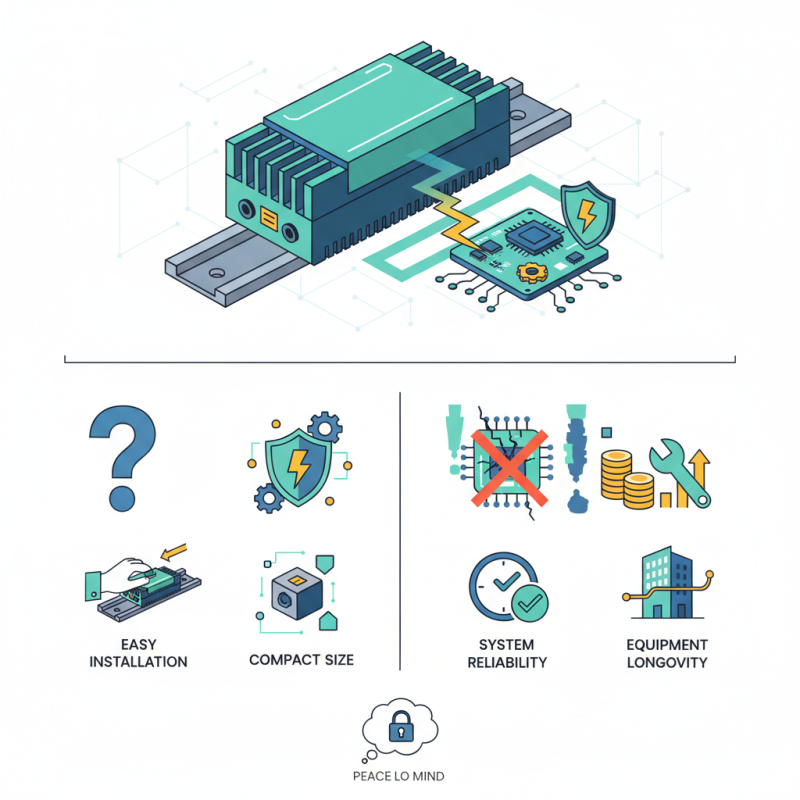
In the world of electrical engineering, a Din Rail Protectorreally plays a crucial role. Basically, it’s a device built to protect your electrical systems. You know those sudden power surges that can fry sensitive equipment? That’s where these protectors come in—they help prevent that chaos. Lots of facilities rely on Din Rail Protectors to keep things running smoothly without a hitch. The best part? They’re compact, easy to install, and fit right onto standard DIN rails, so it’s not a big hassle to set up.
Understanding why a Din Rail Protector matters is pretty important if you want your gear to last longer. Without one, your devices could be at risk of damage from overvoltage, which can turn into costly repairs down the line. Honestly, some businesses tend to overlook these risks, thinking it’s not a big deal. But trust me, in the long run, installing a Din Rail Protector is totally worth it—you gain peace of mind knowing your critical systems are safe.
It’s easy to downplay how important these tiny devices really are. But honestly, a small upfront investment can save you a ton of hassle—and money—in the future. Big names like Schneider Electric even highlight how essential Din Rail Protectors are in their systems. Ignoring this advice? Well, that can lead to frustration and setbacks you definitely want to avoid. Protecting your equipment isn’t just a smart move; it’s pretty much a must.
What is a Din Rail Protector?
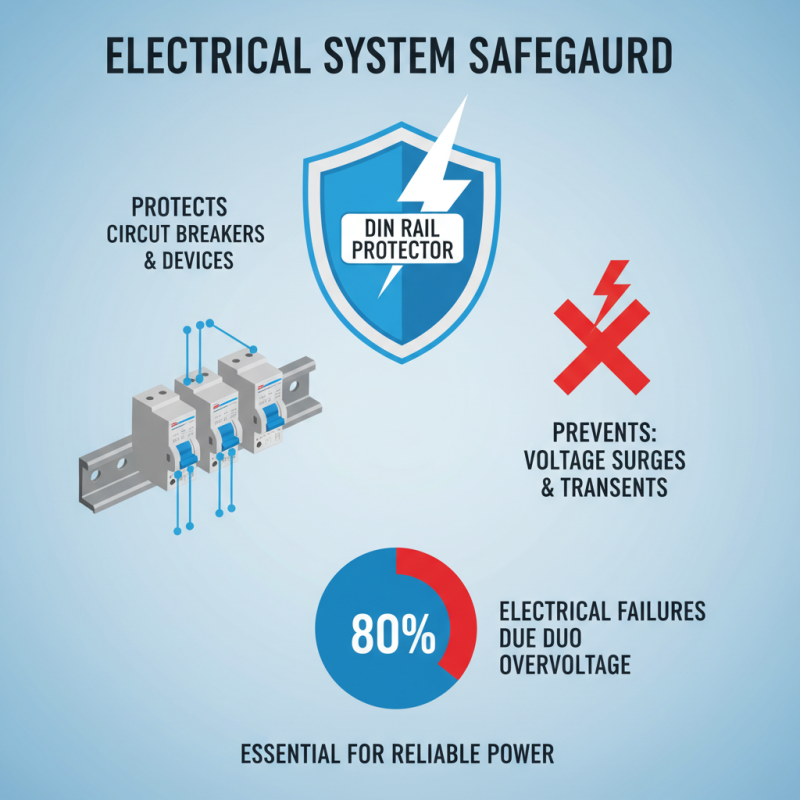
A DIN rail protector is a crucial component in electrical systems. It serves to safeguard circuit breakers and other devices mounted on a DIN rail. These protectors prevent damage from voltage surges and transients. According to industry reports, nearly 80% of electrical failures arise due to overvoltage conditions. This highlights the importance of having effective surge protection.
When a surge occurs, it can lead to severe equipment malfunctions. A DIN rail protector helps minimize these risks. For instance, a well-placed protector can reduce surge energy levels significantly. Studies show that incidents of equipment damage can decrease by up to 60% with the use of appropriate protectors. Without them, the costs of repairs can escalate quickly.
However, many installations still lack adequate surge protection. Data suggests that up to 50% of facilities use outdated or insufficient safeguarding methods. Therefore, it’s essential for operators to evaluate their systems regularly. Seeking updates in technology and equipment design can lead to better protection outcomes. Avoiding complacency in maintenance can save significant resources in the long run.
The Role of Din Rail Protectors in Electrical Panels
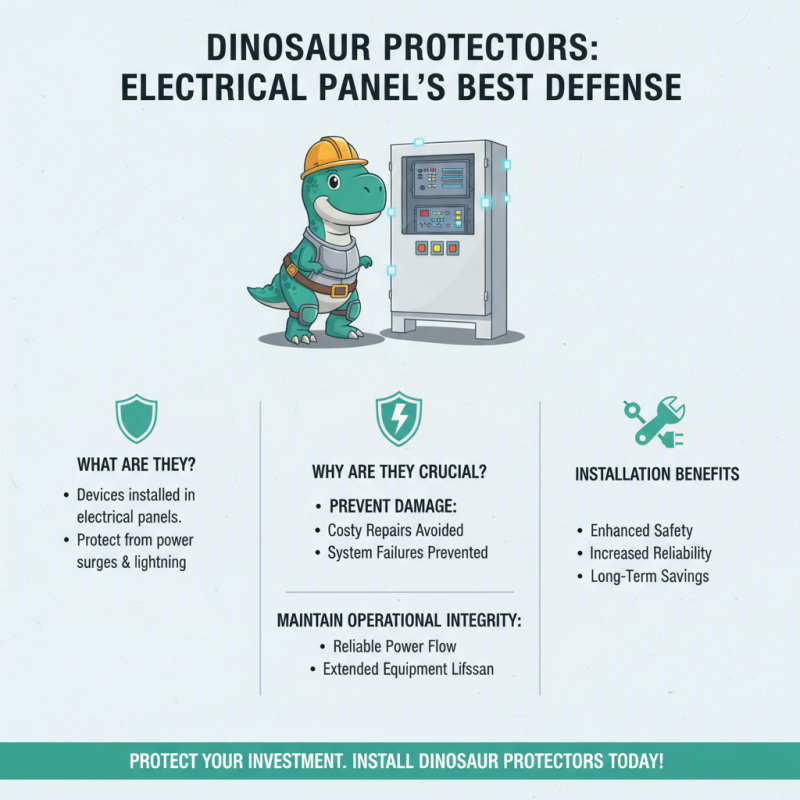
Din rail protectors play a crucial role in electrical panels. They safeguard sensitive equipment from power surges and lightning strikes. Without these protectors, electrical systems could sustain severe damage. This can lead to costly repairs or even system failures. Installing them is a vital step in maintaining operational integrity.
Here are some tips to consider. Ensure that your din rail protector is installed correctly. This reduces the risk of malfunction. Regularly check for signs of wear or damage. A proactive approach helps catch issues early. If your electrical system experiences fluctuations, don't ignore them. It may indicate a need for Din Rail Spd Lightning Protection.
An appropriate selection is essential. Different environments may require specific types of protectors. For instance, industrial settings often face harsher conditions. Make sure your choice meets these demands. Remember, overlooking these details can lead to bigger problems later. Consider your electrical system’s unique needs and act accordingly.
Key Components of a Din Rail Protector System
A DIN rail protector system has several key components. At its core is the surge protection device. This device is critical for safeguarding sensitive electronics. It mitigates risks from voltage spikes. Often, these spikes are caused by lightning or other electrical disturbances.
Another important component is the mounting bracket. This bracket secures the surge protection device onto the DIN rail. It ensures stability and prevents accidental disconnections. Additionally, wiring terminals facilitate easy integration with existing electrical systems. They allow for quick installation and maintenance.
It's worth noting that not every installation is perfect. For example, improper grounding can lead to failure. Regular inspections are necessary to ensure all components function correctly. Sometimes, systems may not be optimally configured. Identifying these issues requires attention to detail and experience. A well-maintained DIN rail protector can make a significant difference in protecting devices from harm.
What is a Din Rail Protector and Why is it Important? - Key Components of a Din Rail Protector System
| Component | Description | Importance | Common Usage |
| Surge Protective Device (SPD) | Protects electrical systems from voltage spikes | Prevents damage to sensitive equipment and prolongs life span | Used in industrial, commercial, and residential installations |
| Circuit Breaker | Automatically interrupts electrical flow during overloads | Ensures safety by preventing electrical fires and damage | Common in both residential and commercial buildings |
| DIN Rail | Standardized metal rail for mounting electrical devices | Organizes and secures electrical equipment effectively | Utilized in control panels and distribution boards |
| Terminal Blocks | Connects multiple electrical circuits together in a safe manner | Facilitates easy maintenance and troubleshooting of circuits | Used in control systems and automation applications |
Statistics on Electrical Faults and the Need for Protection
Electrical faults pose significant risks for both residential and commercial environments. According to a report by the National Fire Protection Association, electrical failures were responsible for 24% of reported home fires from 2014 to 2018. These incidents resulted in billions in property loss and numerous injuries. An alarming statistic indicates that around 30,000 fires each year are caused by electrical issues. This underscores the pressing need for effective protective measures like the Din Rail Protector.
The statistics reflect a harsh reality. A simple power surge can ruin sensitive equipment and create fire hazards. Many ignore the subtle signs of electrical faults until it's too late. Proper installation of devices like the Protector Voltage Fridg Protector can mitigate these risks. Regular maintenance and careful monitoring are essential. Yet, many systems lack this critical level of attention.
The growing reliance on technology increases exposure to electrical faults. Research shows that over 70% of businesses experience some form of operational disruption due to electrical problems. Having the right protection is not just smart; it's essential. It's imperative to prioritize robust electrical safeguards in both new and existing setups to prevent potential disasters. Inadequate protection could lead to tragic outcomes that could have been avoided with proper precautions.
Types of Din Rail Protectors and Their Applications
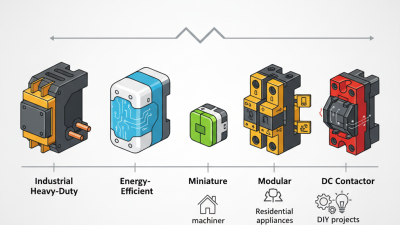
Din rail protectors come in various types, each serving distinct applications. One common type is the voltage protector. They are designed to safeguard electrical components from voltage spikes that can damage sensitive equipment. According to recent industry studies, over 60% of electrical failures are due to surges. This highlights the necessity of using protective devices like surge protectors in control panels and electrical distribution systems.
Another prevalent type is the surge protector. They are essential in data centers and telecommunications. By diverting excess voltage, they help maintain system integrity. A report indicated that implementing surge protection can reduce equipment failure rates by 30%. This statistic emphasizes the impact of having robust protective solutions in place.
However, not every installation sees optimal results. Some systems are misconfigured or lack comprehensive protection. It can lead to vulnerabilities despite having a voltage protector in place. Regular audits and maintenance are crucial. They ensure that all components function as intended and adapt to evolving electrical demands.
Types of Din Rail Protectors and Their Applications
Installation Best Practices for Din Rail Protectors
When installing a din rail protector, attention to detail is crucial. Proper installation ensures the protection of electrical devices from surges. Begin by reviewing the technical specifications. Ensure compatibility with your rail and devices. A poorly fitted protector can lead to failures.
Tips: Always confirm the orientation. Some models have specific directions. Misalignment could compromise performance. Use professional tools to secure the protector firmly. This prevents any unintended movement.
Check for environmental factors. If the area is prone to moisture or extreme temperatures, choose a suitable model. Some protectors are not made for harsh conditions. Regular maintenance checks can help identify issues before they escalate. Look for any signs of wear or damage.
While installing, be mindful of wiring. Neat and orderly connections reduce clutter and potential hazards. Overlapping or tangled wires can confuse troubleshooting efforts later. Rethink your layout if it seems chaotic. A tidy setup leads to safety and efficiency.
How to Choose the Right Din Rail Protector for Your Needs
Choosing the right din rail protector is crucial for your electrical systems. A good protector guards against voltage surges, which can harm sensitive equipment. According to the National Electrical Manufacturers Association (NEMA), over 80% of electrical damage comes from surges. Selecting an appropriate model can drastically reduce the risk.
When evaluating din rail protectors, pay attention to their specifications. Look for features that match your system’s requirements. Voltage rating, response time, and joule rating are critical parameters to consider. A protector with a lower response time is better at blocking surges. For example, a protector rated for 220V is suitable for standard applications. However, not all installations need the same specifications.
Consider the installation environment too. Dusty or damp locations may necessitate a more rugged design. If the workspace has multiple devices, a "Tv Protector 220v" with multiple ports can be helpful. Poorly matched protectors might lead to frequent failures or unprotected devices. Regularly reviewing equipment and updating protectors ensures ongoing safety and performance.
Choose wisely; the implications of a poor choice could be costly.
Understanding the Importance of Lightning Surge Protectors: A Comprehensive Guide to the AC275V 20-40KA Lightning Arrester
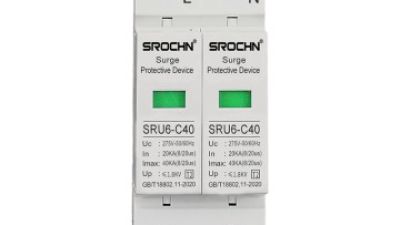
Lightning surge protectors, such as the 275V lightning surge protector, are essential for safeguarding low-voltage electrical systems against the damaging effects of surge voltages. According to the National Fire Protection Association (NFPA), lightning causes approximately 30,000 fires annually in the U.S. alone, leading to significant property damage and safety hazards. This underscores the necessity of having a robust surge protective device (SPD) in place. The primary role of the 275V SPD centers around its capability to intercept surge voltages that may arise from lightning strikes or disturbances in the electrical grid. When an overvoltage event occurs, the SPD rapidly diverts the excess voltage to the ground, effectively shielding sensitive equipment from potential breakdowns.
Operational effectiveness is another crucial aspect of the 275V SPD. In normal conditions, when the voltage remains below 275V, the device maintains a high-impedance status. This ensures that the electrical supply remains uninterrupted, promoting the stable operation of connected devices. Reports from the International Electrotechnical Commission (IEC) indicate that improperly protected electrical systems are susceptible to significant downtime, which can lead to increased maintenance costs and operational inefficiencies. Therefore, integrating an SPD not only enhances safety but also contributes to the overall reliability of electrical systems.
Moreover, many modern SPDs, including the 275V model, come equipped with built-in overload protection and indicator systems. This feature provides an added layer of security by automatically disconnecting the unit if the surge current exceeds its limits, preventing self-damage. Indicator lights can inform users about the operational status, allowing for proactive maintenance without the need for extensive system checks. The combination of these functionalities makes the 275V lightning surge protector a vital component in modern electrical system management, ensuring both equipment longevity and user safety.
FAQS
: The service aims to provide efficient solutions for users’ daily needs.
The interface is user-friendly, but some features may be confusing at first.
Yes, the service is compatible with most mobile devices, but performance may vary.
There are no hidden fees, but users should check for additional charges regularly.
Users can report issues through feedback options provided in the service.
Yes, customer support is available, but response times may vary depending on demand.
Data security is a priority, yet users should be cautious when sharing personal information.
Some customization options are available, but limitations exist that may frustrate users.
Users can cancel anytime, but reviewing the cancellation policy is essential.
Updates are planned, but some features might lag behind user expectations.
Conclusion
A Din Rail Protector is a critical component used in electrical panels to safeguard equipment from electrical faults such as surges and short circuits. By effectively managing these risks, Din Rail Protectors play an essential role in ensuring the longevity and reliability of electrical systems. They consist of key components that work together to provide comprehensive protection, including fuses, circuit breakers, and surge protection devices.
Implementation of Din Rail Protectors is vital, especially given the alarming statistics surrounding electrical faults, which highlight the necessity for robust protection methods. Various types of Din Rail Protectors are available, each suited for specific applications, and proper installation is crucial to their efficacy. When selecting the right Din Rail Protector, it’s important to consider factors such as system requirements, compatibility, and safety standards to ensure optimal performance and protection for your electrical systems.

 +86 13868429846
 Contact Phone
 Contact Email