In today's tech-driven world, where everything seems to move at lightning speed, having reliable power management solutions isn’t just a nice-to-have — it’s pretty much essential. Take a Digital Current Protector, for example. These devices are like your electrical system’s best buddy, helping to prevent overloads and short circuits that could cause a real headache. According to MarketsandMarkets, the global market for power protection gear is projected to hit around $8.2 billion by 2026. That’s a huge number and really shows just how much folks are investing in smarter, better protective tech.
Basically, Digital Current Protectors keep an eye on how much current is flowing through your system, making sure everything stays within safe limits. They give real-time updates, so you can respond quickly if something’s off. Big industry names like Schneider Electric stress how crucial these devices are for avoiding costly damage to equipment. But, here’s the thing — not all digital current protectors are created equal. Some might be missing key features that are necessary for full-on protection, and that can lead to things going wrong.
It’s super important to understand how these protectors actually work. Knowing their limits means you won’t be caught off guard. Plus, don’t forget—regular maintenance and updates might seem like a hassle, but they’re actually the secret sauce for keeping everything running smoothly. Paying attention to the reliability of your devices can seriously make a difference, leading to safer setups and less downtime in the long run.

What is a Digital Current Protector?
A digital current protector is an essential device in modern electrical systems. It is designed to safeguard equipment by monitoring and controlling electrical current. When the current exceeds predetermined limits, the protector intervenes to prevent damage. This device is crucial in various applications, from household devices to industrial machinery.
Understanding how a digital current protector functions can help users appreciate its importance. It constantly tracks real-time current levels. If it detects an anomaly, such as a surge or overload, it rapidly disconnects the affected circuit. This fast reaction minimizes potential damage and increases safety. Interestingly, some users may not realize the importance of calibration. An improperly set threshold could lead to frequent disconnections or, worse, equipment damage.
The 63a Current Protector is an example that showcases the technology's effectiveness. It can manage significant power loads while ensuring safety. Sometimes, users might overlook how reliant they are on this type of protection. The balance between innovation and manual oversight is a topic worth pondering. How much do we trust technology to protect our assets?
Key Components of a Digital Current Protector
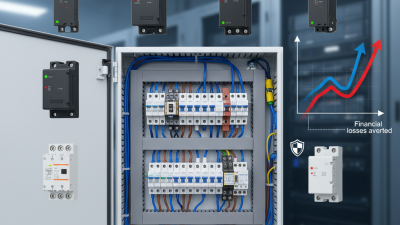
Digital current protectors are essential in safeguarding electrical systems. These devices monitor and regulate current flow to prevent overloads and short circuits. Their key components play a vital role in ensuring reliable protection and performance.
One major component is the microcontroller. It processes real-time data, adjusting the current flow as needed. Another critical element is the current sensor, which detects any fluctuations. Together, these components enhance the device's efficiency. A recent report indicated that digital current protectors reduce equipment failure rates by up to 30%. This underscores their importance in industrial applications.
Tips: Regularly inspect the current sensor for accuracy. Look for any signs of wear over time. Remember, even a small malfunction can lead to significant issues. Investing in a robust design, like the 1p Voltage Current Protector, can provide additional security. Always consider the integration of these devices into your existing systems for optimal performance.
How Digital Current Protectors Function
Digital current protectors play a crucial role in electrical systems. They monitor the current flow and prevent overloads. By detecting anomalies, they ensure that devices operate within safe limits. Data indicates that overloading causes significant damage to equipment. In fact, around 30% of electrical failures stem from current-related issues.
These protectors function by measuring real-time current levels. When the current exceeds the preset limit, a circuit breaker activates, shutting off the flow. This quick response can prevent costly damage. According to recent studies, effective current protection can increase system reliability by up to 50%.
Tip: Regularly check your digital current protector's functionality. A simple test can ensure it's ready for unexpected surges.
Setting appropriate current limits is essential. Too high a limit might not prevent damage. Conversely, too low might cause unnecessary disruptions. Finding this balance requires continuous assessment. Keep monitoring your equipment for signs of performance issues.
Applications of Digital Current Protectors in Industry
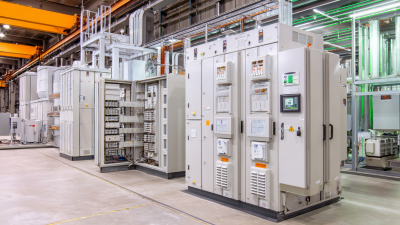
Digital current protectors play a crucial role in various industrial applications. One significant use is in manufacturing facilities, where they guard against unwanted surges. Recent industry reports indicate that equipment failures are largely due to unexpected current spikes. These protectors monitor electrical currents, ensuring they remain within safe limits, thus preventing costly downtimes.
In the energy sector, digital current protectors are becoming essential. They manage loads effectively, especially in renewable energy systems. For example, a study noted that improper current management can lead to a decrease in efficiency by nearly 20%. Protectors like the 63a Voltage Current Protector ensure sustainable operations by automatically disconnecting in critical situations. This feature is vital for grid stability and energy safety.
Despite these advancements, challenges remain. Some industries have reported issues with their calibration. Inaccurate settings can lead to unnecessary trips or, worse, failures to activate. Continuous monitoring and periodic recalibration are necessary practices. Moreover, not all facilities have adopted these technologies yet. The gap in awareness and training presents hurdles that need addressing for widespread implementation.
Benefits of Using Digital Current Protectors
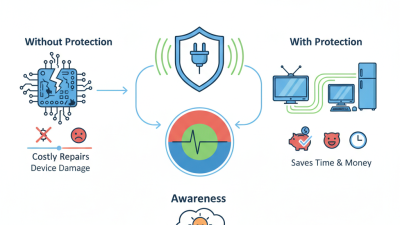
Digital Current Protectors are essential safety devices in today’s electrical systems. These devices protect equipment from voltage surges and overloads. They monitor electrical currents in real-time. When they detect anomalies, they act swiftly to cut off power. This helps in preventing damage to sensitive devices.
The benefits of using Digital Current Protectors are numerous. They provide reliable protection. Such protectors can also reduce maintenance costs. Equipment lasts longer when shielded from power irregularities. Users often notice enhanced performance in their devices. In industrial settings, this reliability is crucial. It helps maintain smooth operations.
Tips: Always ensure your protector is compatible with your system. Regularly check its settings and performance. Consider investing in models with advanced features, like data logging. This adds more value and insight into your electrical system's health. The small investment can save you significant costs in the long run. However, not every protector meets all needs. Analyze your specific requirements before making a choice.
Benefits of Using Digital Current Protectors
Common Issues and Troubleshooting Digital Current Protectors
Digital current protectors play a crucial role in electrical systems. However, they can encounter various issues. One common problem is tripping for no apparent reason. This can frustrate users and disrupt operations. Possible causes include electrical surges or faulty wiring. Overloading the device can lead to intermittent errors as well.
Another frequent issue is the device not responding to current fluctuations. Users might notice that the displays fail to show accurate readings. Poor calibration could be a reason for this malfunction. It is essential to regularly check settings to ensure correctness. Sometimes, dust accumulation can also hinder performance. Simple cleaning can often resolve these minor hiccups.
Occasionally, users report that digital current protectors stop working altogether. This could stem from internal component failures. In some cases, a simple reset might restore functionality. Nevertheless, more complex issues may require professional assistance. Regular maintenance and proper usage are crucial for longevity. Having a troubleshooting guide can also make addressing these common problems easier.
What is a Digital Current Protector and How Does It Work? - Common Issues and Troubleshooting Digital Current Protectors
| Feature | Description |
| Functionality | Monitors electrical currents to prevent overloads. |
| Common Issues | Can malfunction due to power surges, incorrect calibrations, or component failures. |
| Troubleshooting Steps | Check wiring connections, reset the device, or consult user manual. |
| Maintenance | Regular checks for dust accumulation and testing functionality periodically. |
| Installation Tips | Ensure proper voltage rating and follow the manufacturer's guidelines. |
| Typical Applications | Used in industrial machinery, residential electrical systems, and commercial equipment. |
| User Recommendations | Consult with a professional electrician for installation and troubleshooting. |
Future Trends in Digital Current Protection Technology
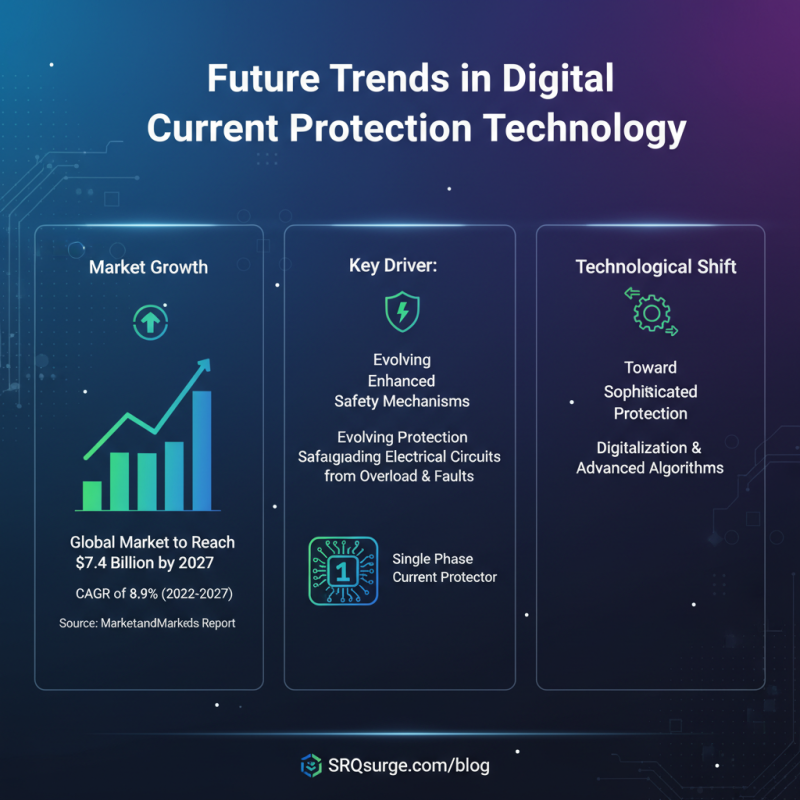
Digital current protection technology is evolving rapidly, driven by increasing energy demands and the need for enhanced safety. According to a recent report by MarketsandMarkets, the global market for digital current protectors is expected to reach $7.4 billion by 2027, growing at a compound annual growth rate (CAGR) of 8.9%. This growth reflects a shift toward more sophisticated protection mechanisms, including the Single Phase Current Protector, which is designed to safeguard electrical circuits from overload and faults.
One of the notable trends is the integration of smart technology into current protectors. Devices now come equipped with IoT capabilities, enabling remote monitoring and control. This allows users to track real-time data and receive alerts for potential issues. In fact, a study from Frost & Sullivan emphasizes that over 60% of companies are investing in IoT-enabled protection tools. However, these advancements raise questions about cybersecurity and the potential for system vulnerabilities.
Still, there is a critical gap in awareness and education among users. Many professionals remain unaware of how to implement these technologies effectively. Additionally, reports indicate that nearly 30% of companies do not have a clear plan for transitioning to digital protection solutions. As technology advances, the responsibility lies with industry players to invest in training and development. Proper implementation ensures that digital current protectors can operate at their full potential, thereby enhancing safety and efficiency.
Leveraging Latest Industry Reports on Surge Protection: The Essential Role of 800VDC T2-Class Surge Protectors in High-Voltage DC Systems
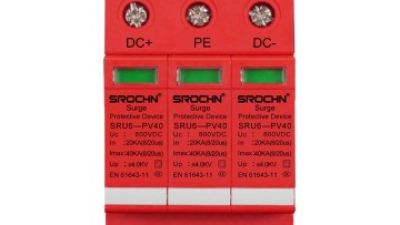
The modern industrial landscape increasingly relies on high-voltage DC systems, making effective surge protection more critical than ever. In this context, the 800VDC T2-Class surge protector emerges as an essential component, specifically engineered to safeguard electrical systems from transient overvoltages and lightning strikes. This advanced three-pole surge protection device offers a maximum current capacity of 40kA, ensuring that it can handle significant surge events without compromising the integrity of connected systems.
Constructed within a robust and striking red plastic housing, the surge protector not only provides high-performance protection but also withstands the rigors of demanding applications across various environments. Its T2 safety rating confirms its compliance with international safety standards, giving users confidence in its reliability. As industries shift towards more sustainable solutions powered by high-voltage DC infrastructures, integrating such reliable surge protection is vital for maintaining operational efficiency and safeguarding sensitive electronic equipment. With this surge protector in place, businesses can enhance the resilience of their electrical systems, protecting vital assets from unpredictable electrical disturbances.
FAQS
: A digital current protector safeguards equipment by monitoring electrical currents in real-time. It prevents damage by disconnecting circuits.
Calibration sets thresholds for current levels. Improper settings may cause frequent disconnections or damage to equipment.
These devices constantly monitor current levels. They react swiftly to anomalies, minimizing damage and enhancing safety in electrical systems.
They are vital in industrial applications, including manufacturing and energy sectors, protecting against surges that cause equipment failures.
Smart technology integration is a notable trend. IoT-enabled devices allow for remote monitoring and real-time data tracking.
Calibration inaccuracies can result in unnecessary trips or failures. Lack of awareness and training hampers technology adoption.
Proper current management prevents efficiency decreases, as improper handling can result in significant loss in energy sectors.
While offering benefits, they introduce potential cybersecurity vulnerabilities. Users must address these risks carefully.
Many professionals lack awareness of implementation strategies. This knowledge gap hinders the transition to effective digital solutions.
The market is projected to reach $7.4 billion by 2027, indicating a shift towards advanced protection technologies.
Conclusion
A Digital Current Protector is an advanced device designed to monitor and manage electrical current in various applications, ensuring safety and efficiency in industrial settings. The key components include sensors, microcontrollers, and user interfaces, which work together to detect abnormalities in current flow. These protectors function by providing real-time analysis and adjustments, making them essential for preventing equipment damage and enhancing operational reliability.
In industrial applications, Digital Current Protectors are utilized to safeguard machinery from overcurrents and short circuits, leading to significant benefits such as increased equipment longevity and reduced downtime. However, users may encounter common issues that require troubleshooting to maintain optimal performance. As technology evolves, future trends in digital current protection are likely to focus on enhancing automation and integration with smart systems, paving the way for more efficient industrial operations.

 +86 13868429846
 Contact Phone
 Contact Email