In today’s ever-changing world of security, picking the right Protection Controller has really become a must for both organizations and individuals. Think of a Protection Controller as the backbone of a solid security plan — it’s what keeps your sensitive info safe from all sorts of threats that keep evolving. It’s super important to get a good handle on the different options out there and figure out which ones match your specific security needs and what you’re trying to achieve operationally.
When you’re looking at different Protection Controllers, there’s a bunch of stuff to keep in mind — like what they can do (functionality), whether they can grow with you (scalability), how easily they can be plugged into your existing setup (easy integration), and if they’re user-friendly enough that you don’t need a masters degree to figure them out. Plus, getting clear on what’s *really* necessary for your environment helps you avoid wasting money on features you don’t need. In this guide, we’ll cover the key things to think about when choosing a Protection Controller. That way, you’ll be able to make smarter decisions that boost your overall security game.

Understanding the Role of Protection Controllers in Security Systems
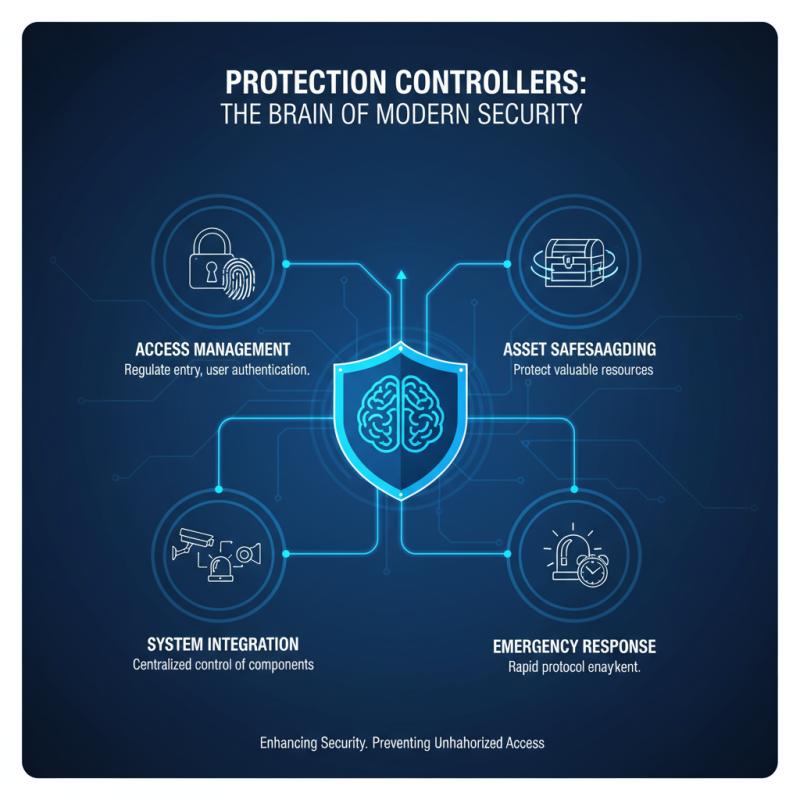
Protection controllers play a crucial role in modern security systems by managing access and safeguarding critical assets. These controllers serve as the brain of a security system, allowing for centralized control over various security components, such as alarms, sensors, and surveillance cameras. By integrating these functions, protection controllers enhance the overall effectiveness of a security network, ensuring that unauthorized access is prevented and that emergency protocols can be enacted swiftly.
When choosing a protection controller, it is essential to consider compatibility with existing systems. Ensure that the controller supports various input and output devices that you plan to use. Additionally, look for models that offer scalability, allowing you to expand your security network as needed.
**Tips:** Always review the user interface of the controller to ensure that it is user-friendly for your security personnel. Training staff on how to utilize the controller efficiently can significantly reduce response time during security incidents. Regularly update the controller's firmware to protect against vulnerabilities and enhance functionality.
Another important aspect is the controller's integration with monitoring services. Opt for solutions that allow seamless connectivity with emergency response teams or cloud-based monitoring. This capability can be vital in ensuring rapid response times and effective communication during an incident.
**Tips:** Before finalizing your choice, consult with security experts to assess your specific needs and receive tailored recommendations. Maintaining flexibility in your security setup will help you adapt to evolving threats and technological advances.
Identifying Your Specific Security Needs and Requirements
Identifying your specific security needs is the first crucial step in choosing the best protection controller. Begin by assessing the nature of your environment—whether it's a residential area, a commercial space, or an industrial facility. Each setting has unique vulnerabilities; thus, understanding what assets require protection and the potential threats they face is essential. For instance, residential properties may prioritize intrusion detection, while commercial facilities might focus on access control systems to manage employee access during off-hours. Consider factors such as location, size, and the data or valuables needing protection.
Next, evaluate the features and functionalities that align with your requirements. This includes determining whether you need video surveillance, alarm systems, or integrated controls within a smart technology ecosystem. It’s also advisable to consider scalability; a system should accommodate future expansions or upgrades as your security needs evolve. Furthermore, assess the level of user-friendliness necessary for those who will interact with the system regularly. By carefully identifying these factors, you can ensure that your chosen protection controller effectively meets your specific security needs, providing peace of mind and safeguarding your environment.
Evaluating Different Types of Protection Controllers Available
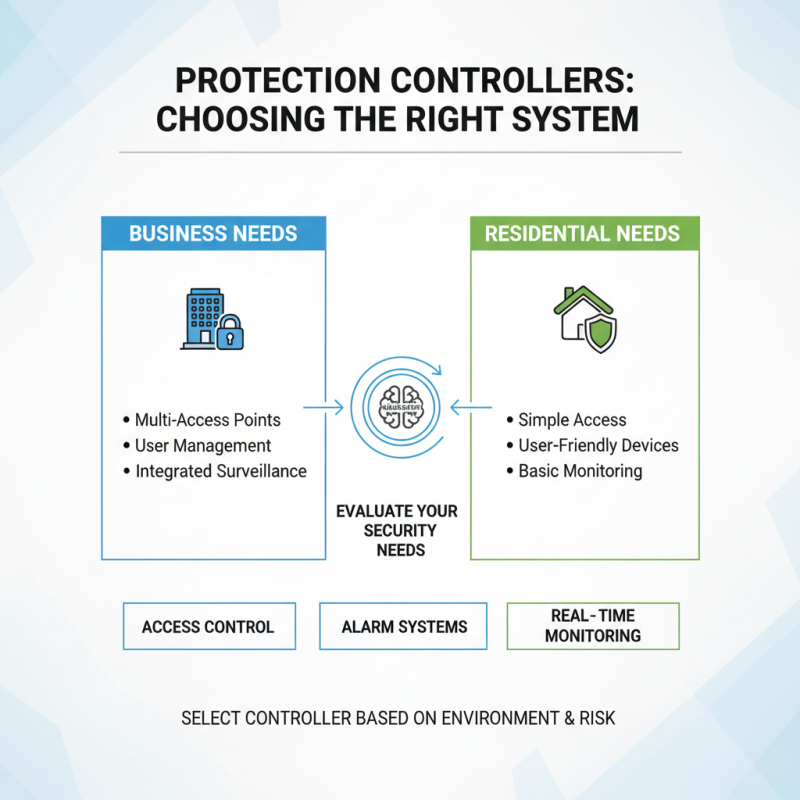
When evaluating different types of protection controllers available, it's essential to consider the specific security needs of your environment. Protection controllers vary significantly in functionality, each designed to address particular risks and challenges. These can range from simple access control systems to more complex surveillance solutions that integrate alarms, motion detectors, and real-time monitoring features. For business settings, a robust system that can handle multiple access points and user management may be critical, while residential settings might benefit from more straightforward, user-friendly devices.
Additionally, the technology behind these controllers is evolving rapidly. Traditional wired systems are now often supplemented or replaced by wireless options that provide greater flexibility and ease of installation. Cloud-based systems offer remote access and advanced analytics, allowing users to monitor their property from anywhere. When selecting the right controller, it's important to assess the technology's scalability, ease of integration with existing systems, and adaptability to future upgrades. This consideration will ensure that your chosen protection controller effectively meets your security requirements both now and in the foreseeable future.
Key Features to Look for in a Protection Controller
When selecting a protection controller for your security needs, it is crucial to focus on key features that will enhance the effectiveness of your system. First, consider the controller's compatibility with various security devices, such as cameras, sensors, and alarms. A versatile controller that can integrate with different types of equipment can provide a comprehensive security solution to suit your specific requirements. Additionally, ensure the controller supports popular communication protocols for seamless connectivity.
Another essential feature to look for is a user-friendly interface. A well-designed interface allows for easy navigation and management of security settings. This is particularly important if multiple users will interact with the controller, as it simplifies training and encourages consistent monitoring. Intuitive mobile app access is also a plus, enabling remote surveillance and system adjustments on the go.
**Tips:** When evaluating different protection controllers, prioritize those with advanced security features like encryption and user authentication. This ensures your system remains secure from unauthorized access. Furthermore, investigate the scalability of the controller; as your security needs evolve, the ability to easily add additional devices or functionalities can save you time and resources in the long run.
Assessing Compatibility with Existing Security Infrastructure
When selecting a protection controller for your security setup, assessing its compatibility with your existing infrastructure is crucial. A well-integrated system not only enhances security but also improves operational efficiency. Begin by reviewing your current hardware and software components to identify any specific requirements or limitations. Understanding the protocols and technologies that your existing systems use, such as IP-based networks or specialized communication standards, is essential in ensuring a seamless integration.
In addition to technical specifications, consider the scalability and adaptability of the new controller. An effective protection controller should be able to work harmoniously with both current and future security devices, allowing for upgrades or expansions without major overhauls. This foresight can save costs and reduce the downtime often associated with retrofitting new technology into old systems. An analysis of user interfaces and management tools is also important; ensuring they align with the existing systems helps in minimizing the learning curve for personnel.
By focusing on compatibility, you can establish a robust security environment that can efficiently evolve alongside your organizational needs.
Cost Considerations for Choosing a Protection Controller
When selecting a protection controller for your security needs, cost considerations play a pivotal role in the decision-making process. It is essential to assess your budget, as protection controllers can vary significantly in price based on their features and capabilities. Establishing a clear budget helps narrow down options, ensuring that you focus on solutions that provide the right level of security without overspending. A thorough understanding of your financial constraints allows for a more strategic approach to selecting technologies that deliver value relative to their cost.
In addition to the initial purchase price, it's crucial to consider ongoing expenses such as maintenance, software updates, and potential add-ons. Some protection controllers might come with lower upfront costs but could incur higher long-term expenses due to subscription fees or required upgrades. Therefore, evaluating the total cost of ownership over time can provide a clearer picture of what the investment will entail. Balancing initial costs with these future expenses will help in making an informed decision that aligns with both your security needs and financial resources.
Cost Comparison of Different Protection Controllers
Best Practices for Installation and Maintenance of Protection Controllers
When selecting a protection controller, installation and maintenance practices play a crucial role in ensuring the system's effectiveness. According to a report by the International Security Industry Association (ISIA), proper installation can enhance a protection controller's reliability by up to 40%. This emphasizes the importance of adhering to manufacturer guidelines and employing trained professionals who understand the specific requirements of the system. A well-installed protection controller not only improves security but also minimizes the risk of false alarms, which can undermine user trust and lead to unnecessary operational costs.
Additionally, ongoing maintenance is essential for the longevity and performance of protection controllers. The Electronic Security Association (ESA) reports that systems with regular maintenance are 30% less likely to fail compared to those left unserviced. Regular inspections, updates, and testing ensure that all components of the controller are functioning correctly. Furthermore, integrating advanced diagnostic tools can streamline maintenance processes, allowing for early detection of potential issues before they escalate. By prioritizing both installation and maintenance best practices, organizations can enhance their overall security posture and protect their assets more effectively.
How to Choose the Best Protection Controller for Your Security Needs - Best Practices for Installation and Maintenance of Protection Controllers
| Feature | Importance | Considerations | Best Practices |
| Compatibility | High | Ensure it works with existing systems. | Review compatibility lists before purchasing. |
| Scalability | Medium | Consider future growth needs. | Select controllers that allow easy upgrades. |
| User Interface | High | Ease of use for operators. | Opt for intuitive layouts and controls. |
| Cost | High | Budget constraints should be analyzed. | Evaluate total cost of ownership. |
| Technical Support | High | Critical for ongoing operation. | Choose providers with strong support services. |
| Security Features | Very High | Must protect sensitive data. | Implement additional security layers where possible. |
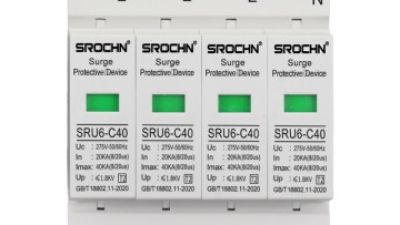
Enhancing Electrical Safety: Analyzing the 4P 275V T2 Surge Protective Device (20KA-40KA) in Lightning Protection Systems
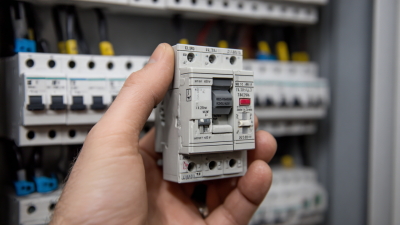
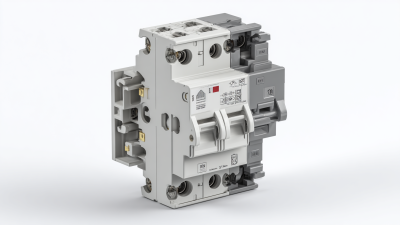
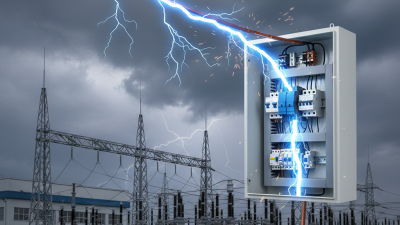
In the realm of electrical safety, the implementation of surge protective devices (SPDs) is crucial, especially in lightning-prone areas. The four-pole Type 2 surge protective device analyzed in this article plays a vital role in enhancing the protection of three-phase electrical systems with a neutral conductor. Operating within a maximum continuous voltage of 275V per phase, this device caters to 400V AC systems, effectively shielding against both lightning-induced surges and switching transients, elements that pose significant risks to electrical infrastructure.
Industry reports indicate that the frequency of lightning strikes has been increasing, which can lead to costly downtime and equipment damage. A surge protective device with a nominal discharge capacity of 20kA offers substantial protection, making it suitable for various commercial and industrial applications. Furthermore, the device’s compatibility with both 50Hz and 60Hz power networks ensures its efficacy across diverse operational environments, thus guaranteeing reliable performance and operational continuity.
The use of robust surge protection systems is underscored by statistics that estimate the risk of equipment failure due to surges can be as high as 60%. By integrating a reliable Type 2 SPD, organizations can significantly mitigate these risks, enhance electrical safety, and protect their investment in critical infrastructure. As industries continue to embrace advanced technologies, the need for comprehensive surge protective solutions becomes even more imperative in safeguarding electrical systems from transient voltage spikes.
FAQS
: Focus on compatibility with various security devices, user-friendly interface, advanced security features, and scalability to ensure it meets your needs effectively.
Compatibility enhances security and operational efficiency by allowing seamless integration with current systems, reducing downtime, and saving costs on upgrades.
Review the technical specifications, protocols, and technologies used by your current components to ensure the new controller supports them.
A user-friendly interface simplifies navigation and management of security settings, making it easier for multiple users to monitor and maintain the system.
Proper installation according to manufacturer guidelines can enhance reliability significantly and reduce false alarms, which can improve user trust and lower costs.
Regular maintenance helps ensure longevity and performance, reducing the likelihood of system failures and enabling early detection of potential issues.
Conduct regular inspections, updates, and testing of the system, and consider using advanced diagnostic tools to streamline the maintenance process.
These advanced security features help protect the system from unauthorized access, ensuring that your security environment remains secure.
Mobile app access allows for remote surveillance and system adjustments, providing flexibility and convenience for users on the go.
Scalability allows for easy addition of devices or functionalities as your security needs evolve, minimizing costs and downtime associated with system upgrades.
Conclusion
When choosing the best Protection Controller for your security needs, it is essential to understand its crucial role within your security system. Start by identifying your specific security requirements, as this will guide your decision-making process. Evaluate the various types of Protection Controllers available, focusing on key features such as user access management, response capabilities, and integration options.
Additionally, consider compatibility with your existing security infrastructure to ensure smooth operation. Cost is also a significant factor, as it plays into the overall budget for your security system. Lastly, adopting best practices for the installation and maintenance of Protection Controllers will enhance their effectiveness and longevity, securing your environment more effectively. Making informed choices in these areas will ensure that your selected Protection Controller meets your security objectives.

 +86 13868429846
 Contact Phone
 Contact Email