+86 13868429846 


In the rapidly changing world of electrical work, choosing the right Electromagnetic Contactors is a pretty important step if you want your systems to run smoothly and reliably. Recently, a report from the International Electrotechnical Commission showed that the global market for these contactors is expected to grow at about 4.5% annually from 2021 through 2028. This growth is mostly fueled by the boom in automation and the increasing use of smart grid tech. Honestly, having industry experts by your side can really make this whole selection process a lot easier.

Take Dr. Henry Leung, for instance—he’s a well-known expert in electrical engineering who’s stressed that ‘Picking the right electromagnetic contactors can really boost your system’s efficiency and help it last longer.’ It’s a good reminder that it’s not just about technical specs; you also need to think about how these components will be used in different projects.
One company that stands out in this field is Zhejiang Shuorui Electric Co., Ltd., based in Liushi, Wenzhou—often called the electrical capital of China. They’ve got a ton of experience and resources to help clients make smarter choices. Whether you're a seasoned engineer or just starting out, this company has what you need to find the perfect electromagnetic contactor for your project. They really know their stuff and are dedicated to doing things right.
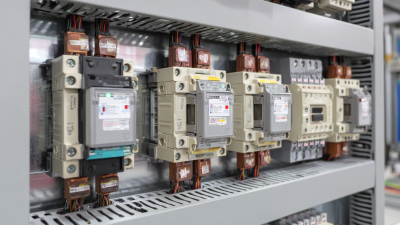
Electromagnetic contactors play a crucial role in controlling electrical circuits in various applications, ranging from industrial machinery to residential systems. At their core, these devices are essentially electrically controlled switches that allow current to flow to a load when activated. Understanding the fundamental operation of electromagnetic contactors, including their coil and contact mechanisms, is essential for selecting the right type for your project. They come in various configurations, including normally open and normally closed contacts, which determine how they interact with the electrical circuits they control.
When choosing an electromagnetic contactor, it's important to consider the specific requirements of your application. This includes factors such as the voltage and current ratings, the operational environment, and the load type. For instance, inductive loads like motors require contactors designed to handle higher inrush currents, while resistive loads such as heating elements may have different specifications. Additionally, some contactors are designed with advanced features like built-in protection circuits, which can enhance reliability and safety in demanding conditions. By thoroughly understanding these aspects, you can make informed decisions that ensure optimal performance and longevity of your electrical systems.
When selecting electromagnetic contactors for your electrical projects, it's crucial to consider several key factors to ensure optimal performance and reliability. First, the voltage and current ratings of the contactors must align with your system's requirements. Determine the maximum load that the contactor will handle and ensure that the device is rated above this threshold to prevent overheating or failure during operation.
Next, evaluate the environmental conditions where the contactor will be installed. Factors such as temperature, humidity, and exposure to dust or corrosive substances can significantly impact the contactor's lifespan. Choosing an appropriate enclosure type, such as NEMA-rated housing, can enhance durability and functionality in challenging environments. Additionally, consider the contactor’s coil voltage, as it must be compatible with your control circuit to ensure effective operation and responsive performance in your applications.
| Key Factor | Description | Importance Level | Typical Rating (A) |
|---|---|---|---|
| Voltage Rating | Ensures the contactor can handle the application's voltage. | High | 9-690 |
| Current Rating | Determines the load the contactor can safely carry. | High | 10-800 |
| Number of Poles | Indicates how many circuits can be controlled. | Medium | 1-4 |
| Type of Load | Indicates whether the load is inductive, resistive, or mixed. | High | Varies |
| Control Voltage | Specifies the voltage needed to activate the contactor. | Medium | 24-480 |
| Enclosure Type | Determines the suitability of the contactor for various environments. | Medium | Open/Closed |
When selecting electromagnetic contactors for your electrical projects, understanding voltage and current ratings is crucial to ensure compatibility with your system. Voltage ratings indicate the maximum voltage that a contactor can handle without risking failure or damage. It's essential to choose contactors with voltage ratings that match or exceed the operational voltage of your application. For instance, if your system operates at 480V, a contactor rated for at least that voltage ensures safe and reliable performance.
Similarly, current ratings play a vital role in determining the suitability of a contactor for your specific needs. These ratings refer to the maximum current the contactor can carry without overheating or compromising its functionality. To select the right contactor, calculate the full load current of your motor or device, and then choose a contactor that can handle at least that amount, ideally with some margin for safety. This consideration prevents potential overloads and prolongs the operational life of both the contactor and the connected equipment, ensuring a stable and efficient electrical system.
This chart represents the compatibility of various electromagnetic contactors based on their voltage and current ratings. The data illustrates how different ratings can affect their usage in electrical projects.
When selecting electromagnetic contactors for your electrical projects, the coil voltage is a critical specification to consider. Coil voltage refers to the voltage required to energize the contactor’s coil, enabling it to operate. It’s essential to match the coil voltage with the available power supply in your application, as using an incorrect voltage can lead to equipment malfunction or inefficient performance. Common options include low-voltage (e.g., 24V, 48V) and line-voltage (e.g., 120V, 240V) coils, and the choice often depends on the specific requirements of the project.
Understanding the operational environment is also vital when choosing coil voltage. For instance, low-voltage coils are often preferred in control circuits where safety is a concern, as they produce less heat and are less dangerous to operate. On the other hand, line-voltage coils can be beneficial for direct connection to a power source and are typically used in larger industrial applications. Ultimately, assessing factors such as voltage availability, safety, and the specific control requirements of your project will guide you in selecting the right coil voltage specification for efficient and reliable operation of your electromagnetic contactors.
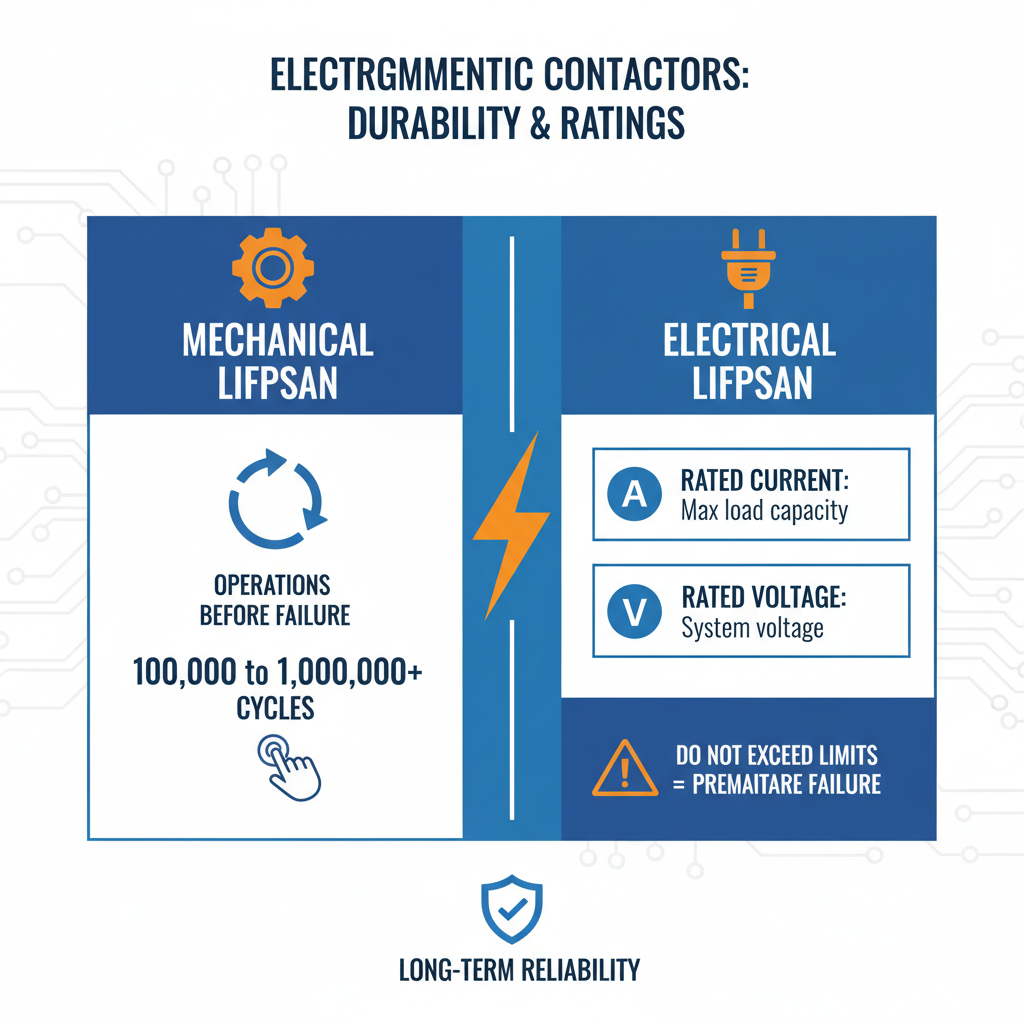
When selecting electromagnetic contactors for your electrical projects, durability and ratings play a crucial role in ensuring long-term reliability and performance. The mechanical lifespan of a contactor refers to the number of mechanical operations it can withstand before failing, typically ranging from hundreds of thousands to millions of cycles. For electrical lifespan, it’s essential to consider the rated current and voltage; contactors are generally rated for specific loads, and exceeding these limits can lead to premature wear and failure.
Tips: Always choose contactors with adequate ratings that exceed your project’s requirements to enhance longevity. Additionally, take into account the type of load you’re connecting; inductive loads, like motors, require contactors with higher electrical ratings compared to resistive loads.
Moreover, environmental factors can significantly impact the durability of contactors. Applications in harsh conditions, such as high humidity or extreme temperatures, require specialized contactors designed to operate reliably in those environments. Properly assessing these factors will ensure that your contactor choices align with project demands and reduce maintenance costs.
Tips: Consider implementing regular inspection and maintenance schedules to help identify wear and potential issues before they escalate.
When integrating electromagnetic contactors with control circuits, it is essential to ensure that they function seamlessly to maintain the efficiency and safety of electrical systems. The primary consideration is matching the contactor's specifications to the control circuit requirements. This includes assessing voltage ratings, current ratings, and the type of load being controlled. A misalignment in these specifications can lead to undesired operation or even equipment failure.
Moreover, the choice of control circuit configurations plays a crucial role in the integration process. For instance, using proper relay logic and ensuring the correct terminal connections can improve the overall performance of the contactor within the system. Additionally, it is important to consider the use of control circuit accessories, such as auxiliary contacts or timers, which can enhance functionality and provide feedback in complex control scenarios. By focusing on these integration aspects, engineers can ensure a reliable and efficient operation of electromagnetic contactors in various electrical projects.
When selecting electromagnetic contactors for your electrical projects, it's crucial to evaluate common brands and models that dominate the market. According to the latest industry report by Technavio, the global contactor market is expected to grow by 5% annually until 2026, indicating a robust demand for quality products. Leading brands such as Schneider Electric, Siemens, and ABB are often recognized for their reliability and innovative technologies. Schneider Electric, for example, offers the TeSys line, which is characterized by high performance and energy efficiency, making it suitable for various industrial applications.
Moreover, the reliability of contactors can significantly impact project outcomes. A study by MarketsandMarkets revealed that around 20% of electrical system failures are attributed to low-quality contactors. Thus, opting for well-established models like Siemens SIRIUS or ABB's A-series ensures compliance with the latest industry standards and reduces maintenance costs. These products not only promise longevity but are also supported by extensive service networks, contributing to their overall value in electrical installations. By focusing on reputable manufacturers and their proven models, project managers can make informed decisions that enhance the efficiency and safety of their electrical systems.
: The mechanical lifespan refers to the number of mechanical operations a contactor can withstand before failing, typically ranging from hundreds of thousands to millions of cycles.
The electrical lifespan is influenced by the rated current and voltage; exceeding these limits can lead to premature wear and failure, so it's important to choose contactors rated for the specific loads in your project.
When operating in harsh conditions like high humidity or extreme temperatures, it’s essential to select specialized contactors designed for those environments to ensure reliable performance.
Always choose contactors with ratings that exceed your project’s requirements and regularly implement inspection and maintenance schedules to identify wear and potential issues before they escalate.
Leading brands such as Schneider Electric, Siemens, and ABB are known for their reliability, innovative technologies, and high-quality contactors.
Established models ensure compliance with industry standards, reduce maintenance costs, and contribute to project efficiency and safety, as they are backed by reliable service networks.
Approximately 20% of electrical system failures are attributed to low-quality contactors, emphasizing the importance of selecting reputable brands and models for reliability and performance.
Inductive loads, such as motors, require contactors with higher electrical ratings than resistive loads, so selecting the appropriate type is crucial for effective performance.
Regular maintenance schedules help identify wear and potential issues early, which can prevent escalated problems and extend the lifespan of contactors.
The global contactor market is expected to grow by 5% annually until 2026, highlighting a robust demand for quality products in the industry.
When selecting the right electromagnetic contactors for your electrical projects, it's crucial to understand their applications and the key factors that influence your choice. Factors such as voltage and current ratings must ensure compatibility with your system, while selecting the appropriate coil voltage options can optimize performance. Additionally, assessing the durability and ratings related to mechanical and electrical lifespan is essential to ensure long-term reliability. Integration with control circuits is another critical aspect that guarantees seamless operation of the contactors within your system.
Zhejiang Shuorui Electric Co., Ltd., located in the electrical capital of China, Liushi, Wenzhou, provides a rich resource of high-quality electromagnetic contactors. Evaluating common brands and models available in the market is key to finding reliable products that meet your specific needs. With a strong understanding of these elements, you can confidently select the right electromagnetic contactors to support the success of your electrical projects.