Leave Your Message
0%

When you're thinking about protecting your electronic devices and appliances, picking the right Over Under Voltage Protector is pretty important. These little gadgets are basically your first line of defense against voltage swings that can fry your electronics or shorten their lifespan. But here’s the thing—there are so many options out there, it can honestly feel pretty overwhelming trying to find the best one for your needs. You’ve gotta look at stuff like the voltage range they cover, how quickly they respond, and what other folks are saying in reviews—to make sure you’re getting something reliable and solid.

Knowing what to look for really helps when you're choosing an Over Under Voltage Protector. Whether you're safeguarding sensitive gear at home, in the office, or on the factory floor, the decision you make can have serious consequences. This guide is here to make that process easier. I’ll walk you through the key features and things you should consider so you can pick the right protector for your setup. Take your time, do a bit of homework, and you'll be much better off at keeping your equipment safe and ensuring everything lasts longer.”
How to Choose the Best Over Under Voltage Protector for Your Needs

Understanding Over Under Voltage Protection and Its Importance

How to Choose the Best Over Under Voltage Protector for Your Needs

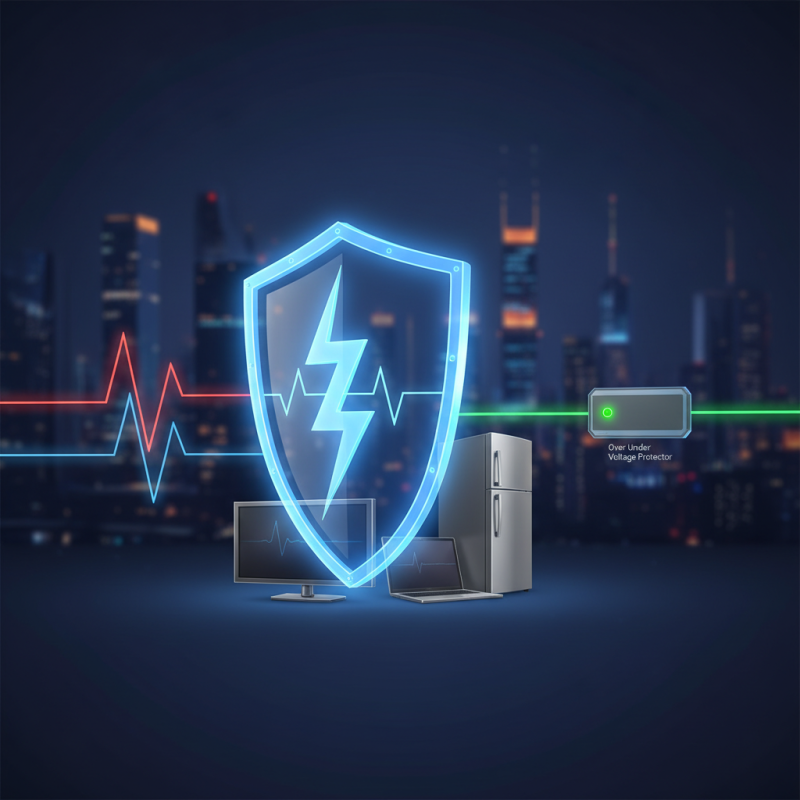
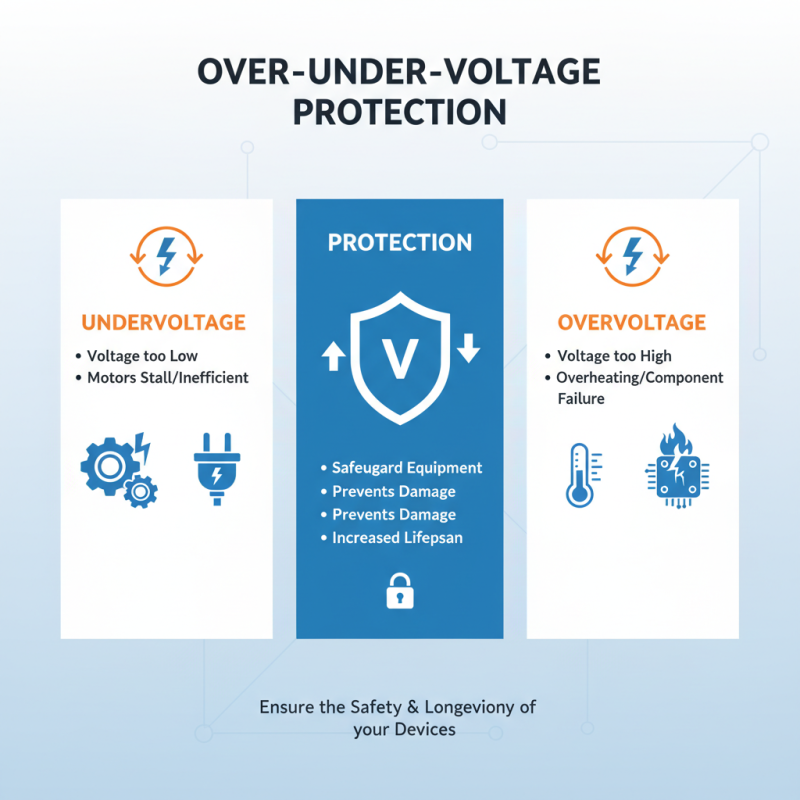
Understanding over under voltage protection is crucial for ensuring the safety and longevity of electrical devices. Voltage levels that fall too low or rise too high can cause significant damage to appliances and machinery. Over voltage conditions can lead to overheating, insulation breakdown, and ultimately failure of components, while under voltage situations can cause motors to stall or operate inefficiently, resulting in performance issues and increased energy consumption. By implementing over under voltage protection, users can safeguard their equipment against these potentially harmful electrical fluctuations.

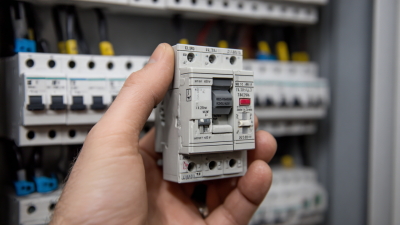
The importance of selecting an appropriate voltage protector cannot be overstated. These devices act as the first line of defense, monitoring voltage levels and disconnecting power when unsafe conditions are detected. This not only helps preserve the integrity of your electrical system but also reduces the risk of costly repairs and downtime. Additionally, having an effective voltage protection system in place can enhance safety for users by minimizing the chances of electrical shock or fire caused by faulty appliances. Careful consideration of your specific needs, including the type of equipment you are protecting and the voltage thresholds relevant to your environment, is essential in choosing the best protector for your situation.

Identifying Your Power Supply Needs and Requirements

When selecting the best over under voltage protector, it's crucial to first assess your specific power supply needs and requirements. Begin by evaluating the devices and equipment that will be connected through the protector. Consider their voltage ratings and sensitivity to fluctuations. Certain electrical appliances, particularly sensitive electronics, may require tighter voltage tolerances. Therefore, understanding the voltage range that your devices can handle is key to choosing an appropriate protector that can effectively shield them from harmful surges or shortages.

In addition to voltage ratings, it's important to consider the overall power capacity that the protector will need to handle. Analyze your power consumption to ensure that the protector can manage the total load of all connected devices without overheating or failing. Furthermore, think about the environment where the protector will be situated. Factors like temperature, humidity, and possible exposure to dust can influence the performance and longevity of the device. Tailoring the choice of an over under voltage protector to these specific requirements ensures optimal performance and safety for your electrical systems.

Key Features to Look For in an Over Under Voltage Protector

When selecting an over under voltage protector, it is crucial to consider key features that align with your specific requirements. One of the primary features to look for is the voltage range the device can protect against. This includes ensuring the protector can handle both overvoltage and undervoltage conditions within the limits of your equipment. Additionally, response time is essential; a faster response time can minimize potential damage to your devices by disconnecting power in milliseconds of detecting an anomaly.

Another important factor is the reliability and durability of the unit. Look for protectors that are built with high-quality components, as these tend to offer better protection over time. Features such as surge protection and ground fault protection can provide an additional layer of safety. Furthermore, consider the ease of installation and any user-friendly interfaces, which can make it simpler to monitor and manage your voltage levels effectively.

Types of Over Under Voltage Protectors Available in the Market

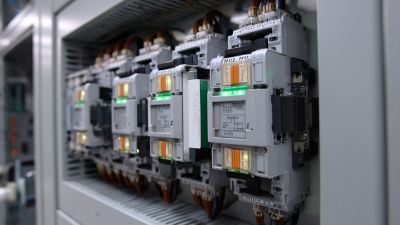
When selecting an over under voltage protector, it's essential to understand the different types available in the market to ensure that you choose one that meets your specific needs. Primarily, voltage protectors can be categorized into relay-based protectors, which monitor voltage levels and activate a relay to disconnect the load when the voltage exceeds or falls below preset levels. These devices are appreciated for their reliability and efficiency in providing safety to appliances.

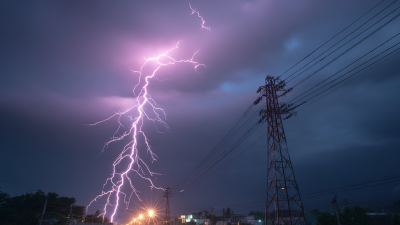
Another popular type is the surge protective devices (SPDs), which guard against voltage spikes caused by lightning, electrical faults, or other disturbances in the power supply. SPDs work by diverting excess voltage away from sensitive equipment, thus preventing damage. Additionally, there are adjustable voltage protectors that allow users to set their desired thresholds for over and under voltage protection, offering a customizable solution for those with specific requirements or varying electrical loads. By understanding these types, consumers can make informed decisions on which over under voltage protector suits their situation best.

Evaluating Brand Reputation and Customer Reviews

When considering an over under voltage protector, evaluating brand reputation becomes paramount. A reputable brand typically reflects a commitment to quality, reliability, and customer satisfaction. Researching a brand’s history can provide insights into their performance and trustworthiness. Companies that have been in the market for several years often have established themselves through consistent product quality and responsive customer service. Look for brands that have a record of positive feedback, as this is often a good indicator of their commitment to their customers.

Customer reviews serve as a valuable resource when choosing the right voltage protector. They offer real-world insights into how products perform under various conditions and in different settings. Reading through multiple reviews can help identify common issues or benefits highlighted by users. Pay attention to detailed reviews that discuss both positive experiences and challenges faced, as they can unveil the true performance of the product. Additionally, consider the volume of reviews; a product with many reviews generally indicates a level of trust from consumers, while a lack of feedback might raise questions about its reliability.

Installation and Maintenance Considerations for Your Protector

How to Choose the Best Over Under Voltage Protector for Your Needs

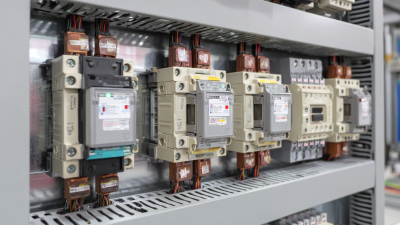
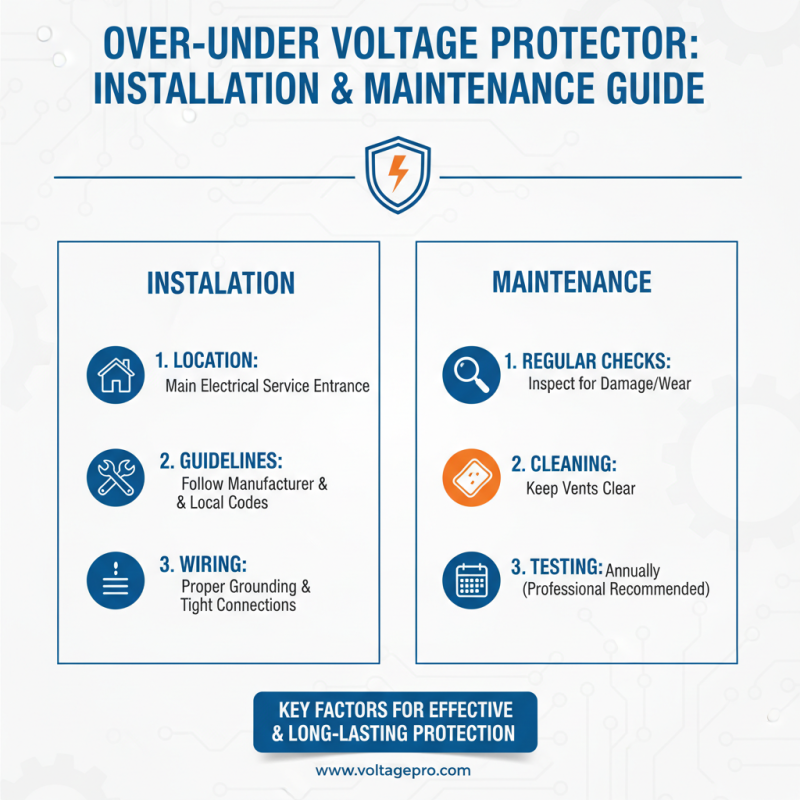
When selecting an Over-Under Voltage Protector, installation and maintenance are critical factors that significantly influence its effectiveness and longevity. Proper installation begins with understanding the electrical layout of your home or facility. It is essential to place the protector at the main electrical service entrance to ensure comprehensive coverage for all connected devices. Make sure to follow the manufacturer’s guidelines during installation, adhering to safety standards and local electrical codes. Proper grounding is also crucial, as it reduces the risk of electrical faults and enhances the system's overall reliability. Using the right wiring and ensuring all connections are tight can further mitigate the risk of voltage fluctuations.

In addition to installation, maintenance plays a vital role in the performance of your voltage protector. Regular checks are recommended to identify any wear or potential issues that may arise over time. Inspecting the device for signs of damage, such as frayed wires or burn marks, can prevent larger electrical problems down the road. It’s also important to test the circuitry periodically to ensure that the protector activates as intended during voltage irregularities. Keeping a maintenance log can help track any issues or service history, allowing for timely interventions when necessary. Proper attention to both installation and maintenance can significantly extend the life of your voltage protector and safeguard your electrical systems effectively.

Cost Analysis: Budgeting for Your Over Under Voltage Protection Solution

When it comes to selecting an over under voltage protector, a crucial aspect to consider is your budget. The cost of these protective devices can vary significantly based on features, specifications, and the level of protection required. It is essential to assess your specific needs—whether you require basic voltage protection for home appliances or more advanced solutions for industrial equipment. Understanding the potential risks associated with voltage fluctuations can also guide your financial planning, allowing you to allocate funds accordingly.

An effective budgeting strategy involves not only comparing initial purchase prices but also considering long-term costs, such as installation, maintenance, and potential energy savings. A more costly protector might offer features that reduce the likelihood of failures or damage to your equipment, which could save you money in repairs and replacements in the long run. Conducting a comprehensive cost-benefit analysis can help you make an informed decision, ensuring that your chosen voltage protection solution aligns with both your immediate financial capabilities and your longer-term investment goals.

How to Choose the Best Over Under Voltage Protector for Your Needs - Cost Analysis: Budgeting for Your Over Under Voltage Protection Solution

Feature Low-End Model Mid-Range Model High-End Model
Price $50 - $100 $100 - $250 $250 - $500
Voltage Range 100V - 240V 90V - 300V 80V - 500V
Response Time
Indicator Lights Basic LED LED & LCD Display Advanced LCD & Alerts
Warranty 1 Year 2 Years 3 Years

FAQS

: What is over under voltage protection?

: Over under voltage protection is a safety feature that safeguards electrical devices from damage caused by voltage levels that are too high or too low.

Why is over under voltage protection important?

It helps prevent significant damage to appliances and machinery, reduces the risk of overheating, insulation breakdown, and inefficiencies in motor operations, ultimately extending the lifespan of electrical equipment.

How does over under voltage protection work?

These devices monitor voltage levels and automatically disconnect power when unsafe conditions are detected, protecting the integrity of the electrical system.

What should I consider when selecting a voltage protector?

Consider the voltage ratings of your devices, their sensitivity to fluctuations, total power capacity, and environmental factors like temperature and humidity.

Can over under voltage protection reduce repair costs?

Yes, by preventing damage to electrical equipment caused by voltage fluctuations, these protectors can help to avoid costly repairs and minimize downtime.

How do I assess my power supply needs?

Evaluate the devices and equipment you plan to connect, analyze their voltage ratings, power consumption, and any specific environmental conditions that may affect performance.

What types of devices require over under voltage protection?

Sensitive electronics and appliances that are prone to damage from voltage fluctuations require over under voltage protection to ensure their safe operation.

What are the consequences of not using voltage protection?

Failing to use voltage protection may result in appliance damage, increased energy consumption, performance issues, and potential safety hazards like electrical shocks or fires.

How can I determine the appropriate voltage thresholds for my protector?

Understand the voltage range that your devices can handle and tailor the protector's specifications to meet those requirements for optimal protection.

What environmental factors should I consider for my voltage protector?

Factors such as temperature, humidity, and potential dust exposure can affect the performance and longevity of the voltage protection device.

Conclusion

When selecting the best Over Under Voltage Protector for your needs, it's crucial to understand the significance of voltage protection to mitigate potential electrical damage. Start by assessing your power supply requirements and identifying essential features in a protector, such as response time, surge capacity, and compatibility with your systems.

Familiarize yourself with the different types of Over Under Voltage Protectors available in the market and consider the reputation of brands as well as customer feedback to ensure product reliability. Installation and ongoing maintenance are also critical factors, as they can influence the device's effectiveness. Finally, conduct a thorough cost analysis to budget appropriately for your voltage protection solution, ensuring you obtain a balance between quality and affordability to safeguard your electrical systems.

Lila

Lila

Lila is a dedicated marketing professional at Zhejiang Shuorui Electric Co., Ltd., situated in the heart of China's electrical industry in Liushi, Wenzhou, Zhejiang. With a profound understanding of the company's products and a keen insight into the market dynamics, Lila plays a pivotal role in......
Previous How to Choose the Best Voltage Regulators Stabilizers for Your Power Needs