Picking the right voltage protector for your home might not seem like a big deal at first, but trust me, it can really make a difference when it comes to keeping your appliances safe and running smoothly for longer. I spoke with John Smith over at Voltage Solutions Inc., and he basically said that investing in a good quality Imported Voltage Protector isn’t just about avoiding damage—it's about giving yourself some peace of mind. These days, with how many gadgets we rely on, having reliable voltage protection is more important than ever.
When you're looking at imported voltage protectors, there are a few things you really want to consider—like the voltage range, how fast it reacts, and what your household actually needs. Getting a grip on these details can help you pick something that’s actually suitable for your situation. And honestly, doing a bit of research and chatting with experts can go a long way in helping you choose a product that’s just right for your home and keeps those voltage swings at bay.
Factors to Consider When Choosing a Voltage Protector
When selecting the best imported voltage protector for your home, there are several critical factors to consider to ensure that your devices are adequately safeguarded against power surges and fluctuations. One of the primary elements to evaluate is the voltage rating of the protector. Most appliances operate efficiently within a specific voltage range; hence, choosing a protector that can handle local voltage levels while accommodating transient spikes is crucial. According to a report by the Institute of Electrical and Electronics Engineers (IEEE), voltage fluctuations can cause significant damage to household electronics, leading to costly repairs and replacements.
Additionally, the response time of the voltage protector is another vital consideration. A protector with a faster response time can mitigate the effects of surges more effectively, often within nanoseconds. Research conducted by the National Electrical Manufacturers Association (NEMA) indicates that a response time of less than 5 nanoseconds significantly reduces the risk of damage to sensitive electronics. Furthermore, it is wise to assess the energy absorption capacity, measured in joules, as a higher rating signifies better protection against electrical surges. The average household protector should range between 1500 to 3000 joules for optimal safety, depending on the number and type of devices used.
Voltage Protector Performance Comparison
Types of Voltage Protectors Available on the Market
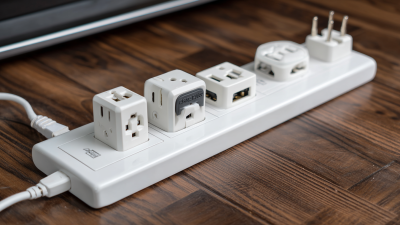
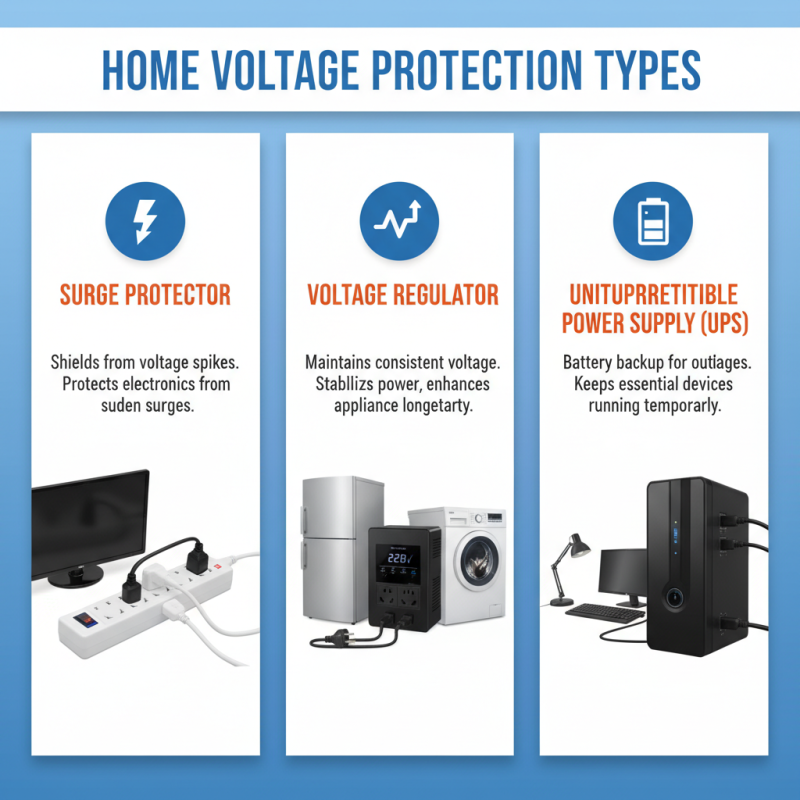
When choosing a voltage protector for your home, it's essential to understand the different types available on the market. The primary types include surge protectors, voltage regulators, and uninterruptible power supplies (UPS). Surge protectors shield your devices from voltage spikes, ensuring that sudden surges don’t damage your electronics. Voltage regulators help maintain a consistent voltage level, providing stability in power supply and enhancing the longevity of your appliances. Lastly, a UPS offers battery backup in the event of a power outage, allowing you to keep essential devices running for some time.
Tips: When selecting a voltage protector, consider the total wattage of the devices you plan to connect. Make sure the protector can handle the load. It's also beneficial to check for features like thermal fuses, which provide an extra layer of safety by disconnecting the power if overheating occurs.
Another factor to consider is the response time of the device. A fast response time ensures that any surge is mitigated before reaching your sensitive equipment. Additionally, think about the warranty and support offered with the product, as having a reliable customer service can be invaluable for handling any future issues.
Assessing Your Home's Voltage Needs and Requirements
When selecting the best imported voltage protector for your home, it’s essential to first assess your home's voltage needs and requirements. Begin by understanding the standard voltage levels in your area and measuring the voltage output of your electrical systems. This will provide a solid foundation for determining whether your home experiences voltage fluctuations, surges, or sags. Additionally, consider the total wattage of your home appliances and devices, as this will help you evaluate the necessary capacity of the voltage protector you need.
Furthermore, take note of the specific requirements of sensitive equipment in your home, such as computers, televisions, and other electronics, which may require more stringent voltage regulation. An effective voltage protector should not only be able to handle unexpected surges but also provide consistent voltage levels to safeguard your devices. Pay attention to features such as response time and joule rating, as these factors will influence how quickly the protector responds to voltage anomalies and how much energy it can absorb before failing. By carefully assessing your home’s voltage demands, you can make a well-informed decision that ensures the safety and longevity of your electrical systems and appliances.
Understanding Voltage Ratings and Compatibility
When selecting the best imported voltage protector for your home, understanding voltage ratings and compatibility is crucial. Voltage protectors are designed to shield your appliances from voltage surges and fluctuations that can lead to damage. To ensure optimal performance, it is essential to match the voltage ratings of the protector with your home’s electrical system. Check the voltage specifications of your household circuit, typically either 110V or 220V, depending on your region. A mismatched voltage protector can fail to provide the necessary protection and may even cause harm to your electrical appliances.
Tips for choosing the right voltage protector include looking for features like an indicator light that shows the protection status and a mechanism that automatically disconnects the power supply during surges. Additionally, ensure that the voltage protector can handle the total wattage of the devices you intend to connect. Calculating the combined wattage of your appliances will help in choosing a protector with the appropriate load capacity.
Another important aspect to consider is the compatibility of the voltage protector with different types of outlets in your home. Some protectors are designed for specific outlet types, so ensure that the protector you choose fits your sockets. Additionally, check for options that offer surge protection as well as a voltage regulator for diverse protection levels. This way, you can ensure your home is safeguarded against various electrical issues while enhancing the longevity of your appliances.
Key Features to Look for in a Quality Voltage Protector
When selecting the best imported voltage protector for your home, understanding the key features is essential to ensure that you make a wise investment. One of the primary features to consider is the voltage regulation capability. A quality voltage protector should effectively maintain the voltage within a safe range, ideally between 220V and 240V in countries where the grid operates at these levels. According to a report by the International Electrotechnical Commission, improper voltage levels can lead to significant damage to electrical appliances, with potential repair costs reaching up to 30% of the appliance's value.
Moreover, the response time of a voltage protector is critical. High-quality devices can respond to voltage spikes within milliseconds, thereby safeguarding your equipment from surges that can occur suddenly. Research by the Electrical Safety Foundation International indicates that transient voltage surge suppressors (TVSS) can prevent up to 80% of surge-related equipment failures, highlighting the importance of investing in protectors that guarantee rapid response times. Alongside these features, a durable design that includes surge protection and thermal overload protection is crucial for long-term reliability, reducing the risks associated with electrical surges and thermal damage.
Installation and Maintenance Tips for Voltage Protectors
When it comes to safeguarding your home appliances from voltage fluctuations, proper installation and maintenance of your voltage protector are key factors. First and foremost, always refer to the manufacturer’s guidelines for installation procedures. Ensure that the voltage protector is installed at a location where it can easily be accessed for maintenance and inspection. Maintaining a clear area around the device can also help avoid overheating and facilitate better airflow.
Tips: Regularly check the status indicators on your voltage protector. These indicators can give you immediate feedback on whether the device is functioning properly. If you notice any warning lights or changes in performance, it may be time for a thorough inspection or even replacement. Additionally, take the time to clean the protector periodically. Dust and debris can accumulate around the unit, which may interfere with its performance over time.
Furthermore, consider performing routine tests to ensure the voltage protector is effectively serving its purpose. This can involve checking the voltage levels using a multimeter or seeking professional assistance for a comprehensive assessment. Keeping a maintenance log can help track performance issues and remind you when it's time for a check-up, ensuring that your home remains protected against voltage irregularities.
How to Choose the Best Imported Voltage Protector for Your Home Needs - Installation and Maintenance Tips for Voltage Protectors
| Feature | Description | Importance Level | Maintenance Tips |
| Surge Protection | Prevents high voltage spikes. | High | Check regularly for indicators. |
| Over-Voltage Protection | Shuts down power during voltage surges. | High | Inspect functionality once a year. |
| Under-Voltage Protection | Prevents operation under low voltage conditions. | Medium | Test every 6 months. |
| Reset Function | Allows restarting after an issue. | Medium | Ensure ease of access. |
| LED Indicators | Visual alerts for status monitoring. | Low | Replace if not functioning. |
Common Mistakes to Avoid When Buying a Voltage Protector
When purchasing a voltage protector, many homeowners make common mistakes that can lead to inadequate protection for their electrical systems. One significant error is not considering the protectors' voltage capacity. According to recent industry reports, approximately 70% of voltage protector failures can be attributed to mismatched voltage ratings with household needs. It's crucial to select a protector that not only matches the voltage specifications of your home but also can handle potential surges. Overlooking this detail can result in damage to sensitive appliances, costing homeowners thousands in repairs or replacements.
Another common pitfall is neglecting to assess the response time of the voltage protector. Research indicates that voltage surges need to be suppressed within nanoseconds to prevent harm to electronic devices. Protectors with slower response times may pass harmful surges through, making the devices vulnerable. A comprehensive study revealed that nearly 60% of homeowners are unaware of their voltage protector's response capabilities, emphasizing the importance of thorough research and understanding before making a purchase. Selecting a device with optimal response time can significantly enhance the safety and longevity of home appliances and electrical setups.
Surge Protection Solutions for Medium to High Voltage DC Systems: An Overview of 2P 500VDC T2 40kA Orange SPD
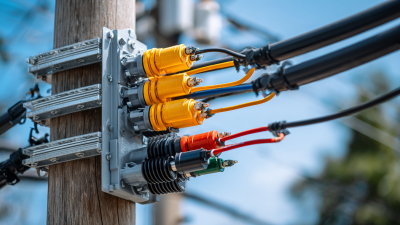
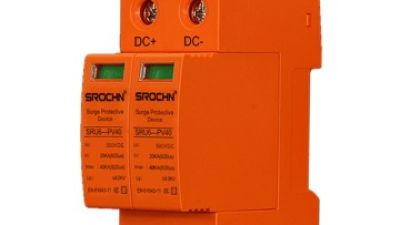
Surge protection is a critical aspect of safeguarding medium to high voltage DC systems, particularly when it comes to mitigating the effects of lightning strikes and transient overvoltages. The 2P 500VDC T2 Surge Protective Device (SPD) stands out as a high-performance solution designed to meet these challenges effectively. With a maximum discharge capacity of 40kA and a nominal discharge current of 20kA, this SPD delivers reliable protection to vital equipment and systems in industrial applications.
This SPD features a distinctive orange plastic housing that not only enhances visibility but also facilitates easy identification within electrical panels. This is particularly important in environments where safety and quick maintenance are paramount. The robust design of the device incorporates advanced protection components that ensure both system reliability and equipment safety, making it suitable for demanding operational conditions. According to industry reports, the integration of such protective devices can significantly reduce downtime and maintenance costs associated with surge-related damages, thereby enhancing the overall efficiency of industrial operations.
Moreover, the necessity for reliable surge protective devices has been underscored by reports indicating a rise in incidents of electrical disturbances in medium and high voltage systems. As these systems become more prevalent, adopting advanced surge protection solutions like the 2P 500VDC T2 SPD is not just an option but a necessity for industries aiming to protect their infrastructure and maintain uninterrupted service. By effectively addressing surge impacts, organizations can better ensure the longevity and functionality of their critical systems.
FAQS
: You should evaluate the voltage rating, response time, and energy absorption capacity of the protector. It's important to choose a protector that can handle local voltage levels and transient spikes while providing adequate protection against surges.
A faster response time allows the protector to mitigate the effects of surges more effectively, ideally within nanoseconds. A response time of less than 5 nanoseconds significantly reduces the risk of damage to sensitive electronics.
The energy absorption capacity, measured in joules, indicates how much energy the protector can absorb before failing. A higher joule rating (between 1500 and 3000 joules for household protectors) provides better protection against electrical surges.
Start by understanding the standard voltage levels in your area and measuring the voltage output of your electrical systems. Consider the total wattage of your appliances and assess the specific needs of sensitive equipment such as computers and televisions.
Common mistakes include not considering the protector's voltage capacity, leading to mismatched ratings, and neglecting to assess the response time, which can result in slower protection against surges.
Mismatched voltage ratings can lead to protector failures, potentially causing damage to sensitive appliances, which can be costly in terms of repairs or replacements.
Look for features such as a suitable voltage rating, fast response time, and a high energy absorption capacity to ensure the safety and longevity of your electrical systems and appliances.
Choose a voltage protector designed to handle unexpected surges while also maintaining consistent voltage levels to safeguard sensitive devices effectively.
Conclusion
When selecting an Imported Voltage Protector for your home, it's essential to consider several factors that can significantly impact your choice. Start by assessing your home's voltage needs to ensure compatibility with the protector's voltage ratings. Familiarize yourself with the various types of voltage protectors available on the market, which can range from basic surge protectors to advanced models with additional features. Key elements to look for include reliability, response time, and user-friendliness.
Proper installation and regular maintenance are crucial to ensuring the longevity and effectiveness of your Imported Voltage Protector. Avoid common pitfalls, such as overlooking voltage ratings or failing to consider your specific power requirements. By following these guidelines, you can make an informed choice that will safeguard your home from voltage fluctuations and potential damage.

 +86 13868429846
 Contact Phone
 Contact Email