In today’s fast-changing tech world, having reliable power management solutions is more important than ever. You know, things like Voltage Regulators Stabilizers really help keep our gadgets safe. They work to keep the voltage steady, so those delicate devices don’t get fried or damaged by sudden spikes or dips. But here’s the thing — the market is pretty tricky to navigate. There’s a ton of options out there, and not all of them are created equal in terms of quality and specs.
Some big names like APC and CyberPower are definitely worth checking out. They’ve got a range of products, from simple home setups to heavy-duty industrial solutions. Still, even these reputable brands aren’t foolproof — not every model will hit the mark for everyone. That’s why it’s super important to really understand what you actually need before buying.
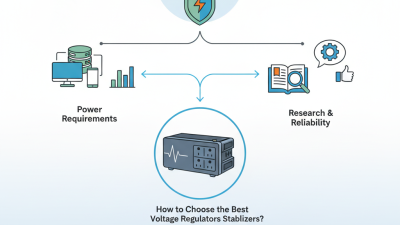
Getting your head around Voltage Regulators Stabilizers isn’t always straightforward, and it pays to know what to look for. Things like how much load they can handle, how efficient they are, or how durable they are over time — these are all key points. Spending a little extra on a quality stabilizer could save you a headache (and money) in the long run — fewer repairs, less downtime. But rushing into a purchase without proper research? That’s asking for trouble. So, I’d say, do your homework and think it through, especially if you’re shopping for something that needs to last. Trust me, it’s worth the effort, especially when you’re dealing with critical equipment or multiple devices across different settings.

Overview of Voltage Regulators and Stabilizers
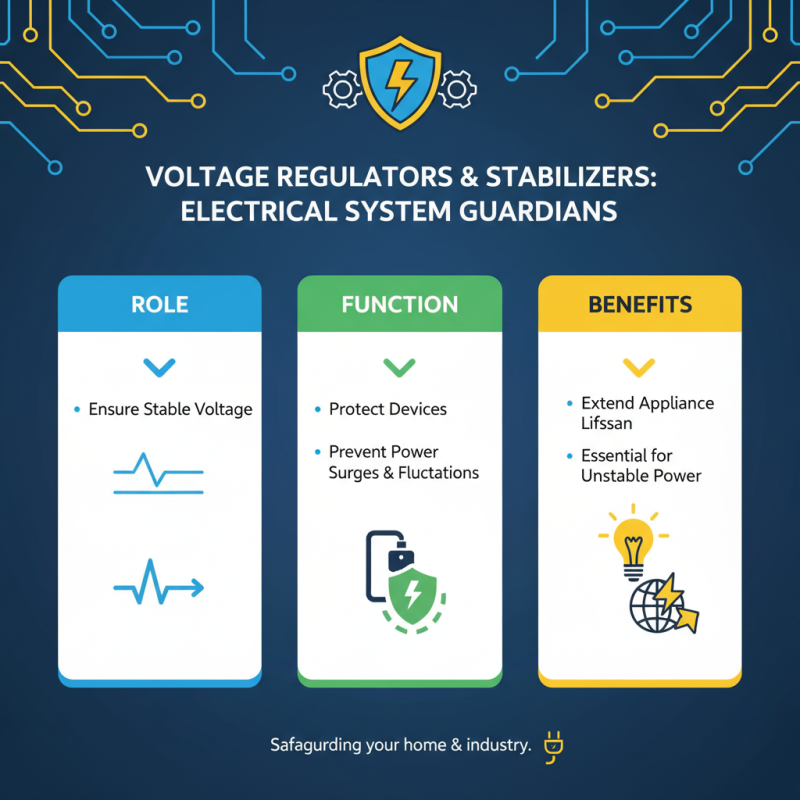
Voltage regulators and stabilizers play a crucial role in ensuring the safety and efficiency of electrical systems. They help maintain a stable voltage level, protecting devices from power surges and fluctuations. This is particularly essential in regions with unstable power supply. A reliable voltage regulator can significantly extend the lifespan of home appliances and industrial equipment.
When selecting a voltage regulator, consider the load capacity. It’s vital to choose one that matches or exceeds your power requirements. Pay attention to efficiency ratings and thermal performance. Some regulators operate more efficiently, reducing heat and energy waste. This factor can be overlooked, yet it affects long-term costs.
Tips for selecting the right voltage regulator include checking compatibility with your devices. Ensure that the input and output voltage range aligns with your needs. Additionally, look for features like surge protection and automatic voltage adjustment. These can provide an extra layer of security. Keep in mind that cheaper models might be tempting, but they often lack essential safety features.
For those in need of advanced options, 3p Voltage Regulators provide three-phase power management. They are suitable for larger systems and industrial applications. Investing in quality regulators can be a game changer for efficiency and safety. Reflect on your specific needs before making a choice. The right voltage stabilizer can enhance performance and reliability in the long run.
Types of Voltage Regulators: Linear vs. Switching
When choosing a voltage regulator, understanding the difference between linear and switching regulators is crucial. Linear regulators provide a constant output voltage with low ripple, making them ideal for sensitive applications. They operate quietly and produce minimal electromagnetic interference. However, their efficiency is often low, particularly for large voltage drops. According to a report by the International Electronics Manufacturing Initiative, linear regulators typically achieve efficiencies of about 30-40% under heavy load conditions.
On the other hand, switching regulators operate with high efficiency, usually exceeding 85% in many applications. They convert input voltage to output voltage using a fast on-off switching technique. This method reduces energy waste, making them suitable for battery-powered devices. However, they can introduce noise and require additional components like inductors and capacitors, which complicate designs. A study from the Power Electronics Research Center highlighted that the increased complexity of switching regulators can lead to higher production costs and longer development times.
Choosing between these types of regulators often depends on specific needs. Linear regulators work well when power consumption is low and noise is a concern. Conversely, switching regulators are favored when efficiency drives design choices. Balancing these factors helps ensure optimal performance across diverse applications.
2026 Best Voltage Regulators and Stabilizers for Global Buyers
| Type | Efficiency | Noise Level | Size | Cost Range (USD) |
| Linear | Low to Medium | Low | Large | $10 - $50 |
| Switching | High | Medium to High | Compact | $15 - $100 |
| Buck Converter | Very High | Medium | Small | $20 - $80 |
| Boost Converter | Very High | Medium | Small | $25 - $90 |
Key Features to Consider When Choosing a Voltage Regulator
When choosing a voltage regulator, several key features must be considered. Efficiency remains a primary concern. A regulator that operates at a higher efficiency can reduce energy waste. This is crucial in both household and industrial applications. According to industry reports, the average efficiency rate for modern voltage regulators has reached up to 95%.
Another aspect to consider is the voltage range. Finding a regulator capable of handling both high and low voltages is essential. A versatile device can cater to different requirements, ensuring stability in various scenarios. For instance, 220v Voltage Regulators are widely used in regions with fluctuating power supplies. They can maintain consistent performance even when faced with unexpected voltage surges.
Tips: Always check the response time of the regulator. A slower response could lead to equipment damage during abrupt power swings. Additionally, consider the form factor. No universal solution fits all needs, so choose one that aligns with your space and mounting preferences. Lastly, remember to review user feedback and technical support options. These factors significantly enhance reliability in critical situations.
2026 Best Voltage Regulators: Efficiency Comparison
This chart illustrates the voltage regulation efficiency of various models, which is a crucial factor for buyers when selecting a voltage regulator. Each bar represents the efficiency percentage, showcasing the performance of the top five voltage regulators in the market.
Top Voltage Regulator Brands in 2026
In 2026, the landscape for voltage regulators continues to evolve. Industry reports indicate a rising demand for high-performance Voltage Relay Voltage Protectors. These devices are essential for safeguarding electronic equipment from voltage fluctuations. Recent data suggest that approximately 30% of electrical failures in commercial settings are linked to unstable voltage levels.
Experts indicate that top brands in this sector focus on reliability and innovation. Many regulators now feature advanced technology, enabling better voltage stabilization. Studies show that voltage relay devices can enhance system efficiency by as much as 25%. Users have reported fewer equipment breakdowns and extended lifespans for sensitive electronics.
Yet, challenges remain in the market. Some products lack adequate certifications, raising concerns about safety and reliability. A significant percentage of users express frustration with inadequate customer support from manufacturers. Additionally, the price range for these products can be quite broad, making it difficult for buyers to assess value. Careful research is crucial before making a purchase decision, ensuring that the chosen voltage protector meets all essential standards.
Market Trends and Innovations in Voltage Stabilization
Voltage stabilization is crucial for modern electronics. The demand for reliable voltage regulators and stabilizers has surged, influenced by smart technology's growth. According to industry reports, the global voltage stabilizer market is projected to reach USD 8.56 billion by 2026, growing at a CAGR of 5.2%. This trend reflects the increasing need for power quality across sectors.
Innovation in this field is noteworthy. Technologies like smart voltage regulators first appeared to control voltage fluctuations efficiently. These devices enhance energy savings while ensuring device longevity. Voltage Protector Voltage Meters are gaining popularity as consumer awareness of energy efficiency rises. However, the challenge lies in integrating these devices into older systems, which may not be equipped to handle new technology.
Here are a few tips for buyers:
- Always assess your power needs before purchasing.
- Consider energy efficiency ratings to minimize costs in the long run.
- Evaluate reviews and feedback from previous users.
- Stabilizers must fit specific applications for optimal performance.
Proper choice and installation can prevent equipment damage, ensuring the system works efficiently.
Application Areas for Voltage Regulators and Stabilizers
Voltage regulators and stabilizers play crucial roles across various sectors. They maintain voltage levels, ensuring that devices function smoothly. In industrial settings, they protect sensitive machinery from voltage spikes and dips. This helps prevent costly equipment damage and extends the lifespan of machines.
In residential applications, voltage regulators ensure that electronics receive stable power. This is vital for appliances like refrigerators and air conditioners. Fluctuations can lead to malfunctions and increased energy bills. Implementing these systems promotes energy efficiency, providing a more reliable home environment.
Tip: Always consider the specific voltage requirements of your equipment. This helps in selecting the right regulator or stabilizer.
Another significant area is in renewable energy systems. Solar panels and wind turbines often require voltage regulation to optimize performance. An effective stabilizer can maximize energy output and enhance system stability.
Tip: Regular maintenance of your voltage regulator can prevent unforeseen failures. Check connections and settings periodically to ensure optimal operation.
Buying Guide for Global Consumers: What to Look For
When searching for voltage regulators and stabilizers, it's important to understand your specific needs. Look at the voltage range you require. Consider the appliances you plan to use. Many devices operate on different voltage levels, and a regulator must match these specifications. Carefully examining this can prevent damage to your equipment.
Efficiency is another key factor. Not all regulators are created equal. Some may not effectively handle surges or fluctuations. This inconsistency could lead to performance issues over time. Pay attention to reviews and specifications. Investigate the efficiency ratings to find a reliable option.
Lastly, consider design features. Some units come with built-in protections, such as over-voltage and over-current safeguards. These are valuable additions that enhance reliability. However, be cautious — more features can also mean higher prices. Balancing your budget with necessary features is essential for making a smart purchase. Take the time to research thoroughly; a few hours can save significant costs later on.
FAQS
: They ensure safety and efficiency by maintaining stable voltage levels. This protection is crucial for devices in areas with unstable power supply.
Consider load capacity and match it with your power needs. Efficiency ratings and thermal performance are also important factors.
Look for compatibility, surge protection, and automatic voltage adjustment. These features improve security and efficiency.
Linear regulators offer low noise but low efficiency. Switching regulators are efficient, often over 85%, but can introduce noise and complexity.
Higher efficiency reduces energy waste, lowering your long-term costs. Check efficiency ratings to ensure reliable performance.
Cheaper models may lack essential safety features. It's crucial to weigh budget constraints against necessary specifications and protections.
Advanced voltage regulators enhance power management in larger systems. They can significantly improve efficiency and reliability in industrial applications.
An unmatched regulator can damage equipment due to incorrect voltage levels. Always verify compatibility to prevent costly damage.
Yes, look for models with over-voltage and over-current protections. These features can enhance safety, though they may increase costs.
Spending a few hours researching can save significant costs later. A thorough understanding of your needs leads to smarter purchases.
Conclusion
The article "2026 Best Voltage Regulators and Stabilizers for Global Buyers" provides a comprehensive overview of voltage regulators and stabilizers, outlining their significance in maintaining stable electrical systems. It distinguishes between linear and switching types, emphasizing their respective advantages and applications. Key features that consumers should consider when selecting voltage regulators stabilizers are highlighted, including efficiency, load capacity, and protective features.
Additionally, the article explores current market trends and innovations in voltage stabilization, showcasing the increasing demand for sophisticated regulation solutions across various sectors. Potential applications are discussed, demonstrating the versatility of voltage regulators stabilizers in both residential and industrial settings. To aid global consumers in making informed decisions, a buying guide is presented, detailing essential factors to look for in these critical electrical components.

 +86 13868429846
 Contact Phone
 Contact Email