When you're picking out an SPD Electrical Protector, it’s really important to understand what you actually need. John Smith, who’s pretty much a big name in electrical protection, once said, "Choosing the right SPD can really make all the difference when it comes to protecting your gear." I think that really hits home—being informed matters a lot here.
SPDs are one of those tech things that might not get enough attention but are super vital when surges happen. They can save you from some pretty expensive damage and a lot of headaches. Still, I see plenty of folks overlook how important they are. Sometimes, people just grab a generic SPD without really checking if it matches their equipment’s specs—big mistake, honestly. Not all protectors are the same, and picking the right one is key.
Getting a handle on the features and what an SPD can handle might seem a bit overwhelming at first. Standards change all the time, and there’s always some new tech popping up. So, making the right choice often means doing a bit of homework or asking someone who knows their stuff. It’s worth consulting trusted sources and experts because, in the end, the right protector can really help protect your investment and keep things running smoothly.
Understanding SPD Electrical Protectors and Their Importance
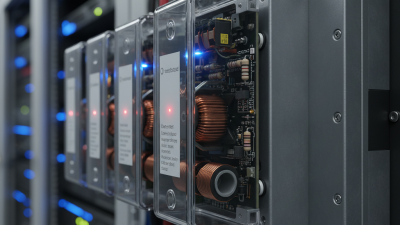
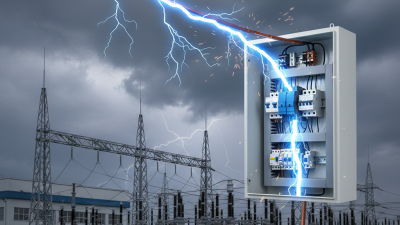
Surge protection devices (SPDs) are crucial in safeguarding electrical systems. They prevent surges from damaging sensitive equipment. Many users underestimate their importance until it's too late. SPDs act like a shield, absorbing excess voltage during electrical surges. This protects valuable devices like computers and servers, ensuring longevity and reliability.
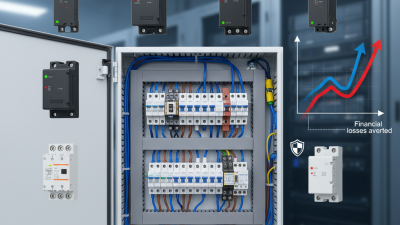
Choosing the right SPD involves understanding their types and ratings. Some are designed for specific applications, while others offer broader protection. It's essential to know the electrical setup in your environment. An improperly selected SPD may not provide adequate protection. For example, integrating an Mcb Electrical Circuit Breaker with an SPD can enhance safety. However, relying solely on one device might not be enough.
Investing in quality SPDs is an ongoing learning process. Users often overlook maintenance aspects. Regular checks can identify wear and tear, ensuring continued effectiveness. Many people assume that once installed, SPDs will function indefinitely. This misconception can lead to increased risks. A proactive mindset helps in preventing future issues and ensuring all components work harmoniously.
Understanding the Performance of SPD Electrical Protectors
Key Features to Look for in SPD Electrical Protectors
When choosing an Spd Electrical Protector, understanding key features is essential. Surge protective devices are critical for safeguarding your electrical systems. Look for devices that offer a high surge capacity. This is measured in kilojoules, indicating how much energy the device can absorb. The higher the joules rating, the better the protection.
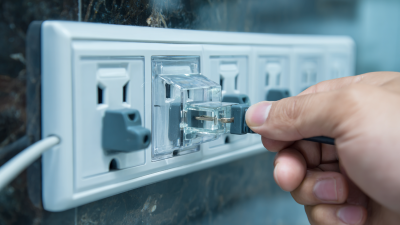
Consider the response time of the SPD. A quick response can minimize damage to your devices during a surge. Some protectors come with indicator lights, showing the status of protection. This feature alerts you when maintenance is needed. Don't overlook the installation type, either. Some SPDs are hardwired, while others are plug-and-play models. Each has its benefits and limitations.
Tips: Choose an SPD with a warranty. A longer warranty often indicates reliability. Ensure it meets local standards. This way, you know it’s tested for safety. Lastly, read user reviews. Real experiences provide insights that specs alone cannot.
Types of SPD Electrical Protectors and Their Applications
When it comes to SPD electrical protectors, understanding their types and applications is crucial. Surge Protective Devices (SPDs) serve as the first line of defense against electrical surges. There are several types available, each tailored for specific situations. For instance, Type 1 SPDs are typically installed at the service entrance. They provide robust protection against outdoor surges caused by lightning strikes. In contrast, Type 2 SPDs are suitable for installation near electrical panels, safeguarding sensitive equipment from surges coming from inside the building.
Additionally, Type 3 SPDs play a vital role in protecting individual devices. These are often used for computers and other electronics. They are effective when installed at the equipment level. Understanding which type to use can be challenging. Selecting the right SPD depends on factors like location and equipment vulnerability. Some may need more protection than others. It requires careful evaluation to determine the best fit for specific needs. Inadequate protection can lead to costly repairs and downtime. Therefore, making informed decisions about the appropriate SPD type is essential for ensuring long-term safety and reliability.
Evaluating the Performance Ratings of SPD Electrical Protectors
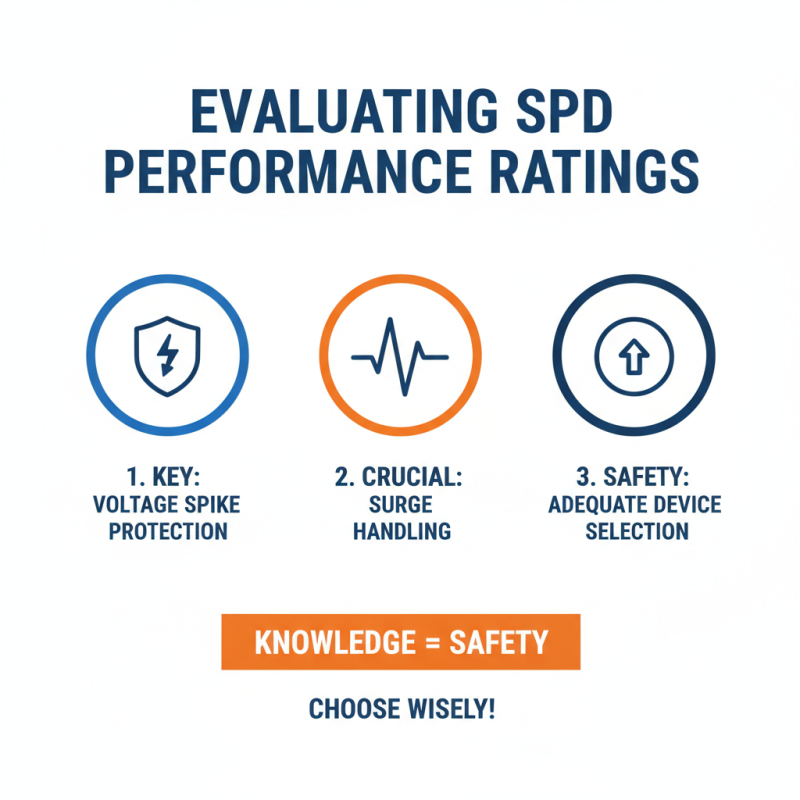
Choosing the right SPD electrical protector can be overwhelming. These devices come with various performance ratings. Understanding what these ratings mean is crucial for your safety. They indicate how well a protector can handle voltage spikes and surges. Without this knowledge, one might select an inadequate device.
When evaluating SPDs, observe key performance metrics. Look at the surge current rating and voltage protection level. These numbers tell you how much energy the protector can absorb. A well-rated SPD can prevent damage to your electrical systems. For example, if you're using an Electrical C32 Mcb Circuit Breaker, it should work harmoniously with your SPD.
Tips: Always verify the compatibility of the SPD with existing equipment. Conducting a risk assessment can help identify your specific needs. Remember, a higher rating doesn't always mean better protection. Sometimes, over-specifying can lead to unnecessary costs. It's essential to reflect upon your electrical circumstances before making a purchase decision.
Installation Considerations for SPD Electrical Protectors
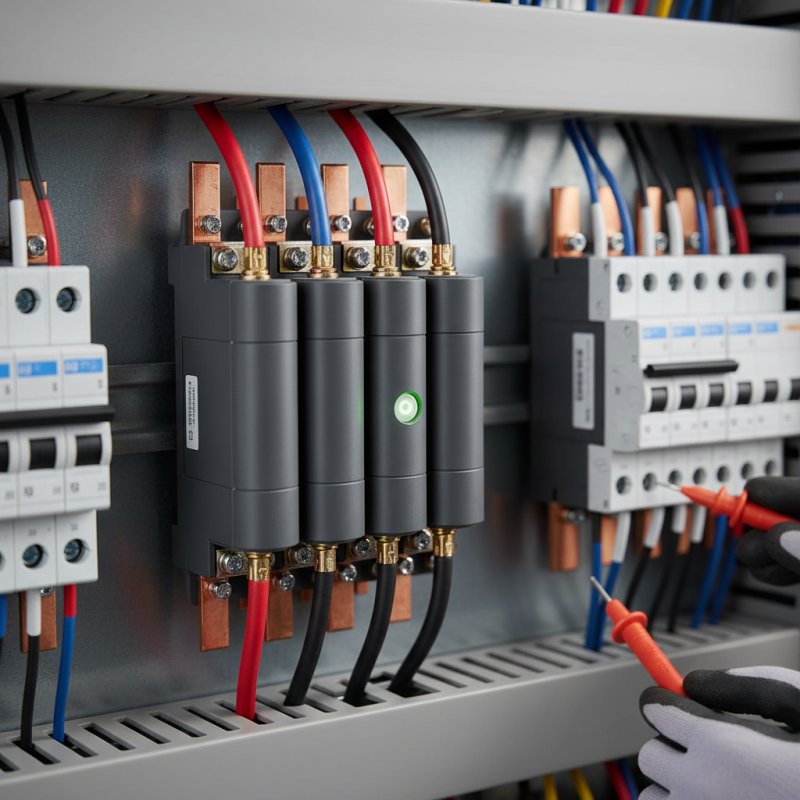
When choosing SPD (Surge Protective Device) electrical protectors, installation is crucial. Proper placement can significantly enhance effectiveness. Ensure the SPD is installed as close to the electrical box as possible. This minimizes the distance that surge currents travel, reducing their impact. The clarity of connections matters. Loose wires can create weak points, making your installation less reliable.
Different locations require tailored approaches. For instance, in residential settings, the SPD should be integrated with appliances and sensitive equipment. It is vital to assess the types of electrical systems in use. If you have an Electrical Box Smart Mcb Circuit Breaker, consider compatibility during installation. Not all devices will work well together without proper integration.
After installation, regular checks are recommended. Inspect for any signs of wear or damage. A simple visual assessment can reveal issues early. Pay attention to grounding practices as well. Ground faults can compromise the effectiveness of your SPD. In our pursuit of optimal protection, we may overlook minor details. Each installation can always be enhanced with care and diligence.
Common Brands and Models of SPD Electrical Protectors
When choosing an SPD electrical protector, understanding the available brands and models is essential. Some common options include devices designed specifically for lightning protection, such as 2p Lightning Arrester Spd Dc Spd. These protectors are ideal for safeguarding sensitive electronic equipment from voltage spikes. Their functionality is based on high-quality components that absorb and redirect excess energy.
In addition to lightning arresters, many users may consider models that also offer surge protection for AC systems. These protectors can vary significantly in design and capacity. It's crucial to evaluate your specific requirements and electrical load to select the right model for your needs. Sometimes, the distinction between models can be confusing. Some may find themselves overwhelmed with technical jargon, leading to poor decisions.
Reliability is a key factor in choosing SPD devices. Regular maintenance and testing are necessary to ensure their effectiveness over time. Not all electrical protectors perform equally, and users must be vigilant in monitoring their performance. This constant evaluation can often reveal unexpected limitations or the need for upgrades. Balancing affordability and quality is a challenging task.
Maintenance and Troubleshooting Tips for SPD Electrical Protectors
Maintaining SPD electrical protectors is essential for optimal performance. Regular inspections can prevent issues. A 2022 report by the International Electrotechnical Commission highlighted that about 30% of SPDs fail due to lack of maintenance. Proper checks every six months ensure that they operate effectively. Dirt, moisture, and corrosion can compromise their functionality.
Troubleshooting common problems can save time and costs. If an SPD shows signs of damage, immediate assessment is crucial. Monitor for any recurring power surges. These can indicate deeper electrical issues. Studies show that undiagnosed faults can lead to significant equipment damage. In some cases, up to 50% of electrical failures are linked to inadequate surge protection.
User feedback often reveals gaps in understanding SPD indicators. Many users overlook the importance of visual inspections. Indicators such as leakage current are vital. Regularly noting these details can help in proactive maintenance. There's a learning curve involved, but it's crucial to empower yourself with knowledge. Being vigilant today prevents setbacks tomorrow.
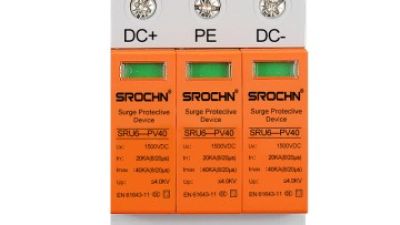
Comprehensive Guide to 3P 1500VDC T2 40kA Surge Protective Devices for Ultra-High Voltage Lightning Protection
The 3P 1500VDC T2 Surge Protective Device (SPD) is at the forefront of technology for safeguarding ultra-high voltage direct current systems. Engineered to withstand lightning-induced surges and transient overvoltages, this advanced device is a necessity for 1500VDC applications, offering unparalleled protection where it is needed most. The device's design incorporates high-performance materials, featuring a robust plastic housing in a professional gray color, which guarantees exceptional electrical insulation and mechanical strength.
What truly sets this SPD apart is its remarkable electrical capabilities. With a maximum discharge capacity of 40kA and a nominal discharge current of 20kA, it ensures reliable performance even in the most demanding electrical environments. The three-pole configuration not only facilitates enhanced surge protection but also provides a comprehensive shield for critical high-voltage equipment and systems. This unparalleled combination of advanced engineering and high discharge capacity solidifies its role as a crucial component for ensuring the longevity and safety of ultra-high voltage installations.
FAQS
: SPDs are devices that protect electrical systems from voltage surges. They absorb excess voltage, safeguarding sensitive equipment.
Many users realize their value only after damage occurs. SPDs ensure the longevity and reliability of valuable devices like computers.
Understand the types and ratings of SPDs. Select based on your specific electrical requirements to ensure adequate protection.
Regular inspections every six months are necessary. This helps identify issues like dirt or corrosion that can hinder performance.
Assess the SPD immediately. Look for recurring power surges that may indicate underlying electrical problems needing attention.
About 30% fail due to lack of maintenance. Proper checks are key to ensuring they function effectively over time.
Regularly check SPD indicators and perform visual inspections. Noting details like leakage current is important for upkeep.
Yes, many overlook SPD indicators. Users often find the technical terms confusing, which can lead to poor decisions.
No, it’s better to use multiple devices for comprehensive protection. Sole reliance on one may result in inadequate defense.
Many believe SPDs work indefinitely after installation. This assumption can lead to increased risks if maintenance is ignored.
Conclusion
The article titled "Discover the Best SPD Electrical Protector for Your Needs" provides a comprehensive overview of SPD electrical protectors, essential devices that safeguard electrical systems from surges and transient voltages. It emphasizes the importance of understanding these protectors by detailing key features to consider, such as response time, capacity, and installation requirements.
Additionally, the article categorizes various types of SPD electrical protectors and their specific applications, helping readers make informed decisions based on their needs. It also evaluates performance ratings to ensure the selected device meets necessary standards. Installation considerations and maintenance tips are included to enhance the longevity and effectiveness of SPD electrical protectors, ensuring optimal protection for any electrical setup. This guide concludes with essential troubleshooting strategies to assist users in maintaining their SPD electrical protectors efficiently.

 +86 13868429846
 Contact Phone
 Contact Email