Leave Your Message
0%

In today’s fast-moving electrical world, it’s more important than ever to have reliable protection against voltage surges. An Overload Voltage Protector is pretty much essential for keeping your sensitive equipment safe. With so many options out there, it can be kinda overwhelming, so it’s really important for buyers worldwide to make smart, informed choices.

This guide is here to help you find the best Overload Voltage Protectors available right now. Lots of brands offer different features, but not everything suits every situation. Picking the right protector can save you a lot of trouble down the line—think costly repairs or replacing equipment, plus it helps your system last longer.

Take companies like Siemens and Schneider Electric—they’re well-known for their innovative designs. But, honestly, sometimes they might not play nice with certain setups, so it’s good to do a bit of homework. Checking out customer reviews can give you the real scoop on what to expect—what works well and what doesn’t. The key is to choose an overload protector that really matches your specific needs. Focus on quality, dependability, and recommendations from trusted experts—that way, you can avoid avoidable headaches. Making a well-informed decision now can pay off big time later on, trust me.

Best Overload Voltage Protectors for Global Buyers?

Best Overload Voltage Protectors: An Introduction to Key Features

When selecting overload voltage protectors, several key features demand attention. A reliable Voltage Relay Voltage Protector should feature fast response times to rapidly disconnect circuits during surges. Studies show that devices with a response time of under 1 millisecond can effectively minimize equipment damage by 80%. This quick reaction limits excessive voltage exposure, crucial for sensitive electronic devices.

Environmental adaptability is another vital aspect. Overload voltage protectors must function in various conditions, including high humidity and extreme temperatures. Research indicates that high-performance protectors can operate effectively within a temperature range of -40°C to +85°C. However, certain models may struggle in these environments, potentially leading to device failure. Potential buyers should prioritize materials with reinforced insulation.

Integration with smart technology is becoming increasingly significant. Many advanced overload voltage protectors now offer real-time monitoring features. This enables users to track voltage levels and receive alerts during anomalies. A report from the International Electrotechnical Commission projects a 20% rise in demand for smart power solutions by 2025. Yet, not all devices provide consistent performance, and some even lack necessary certifications. Thus, buyers should conduct thorough research before finalizing their selection.

Best Overload Voltage Protectors

This chart illustrates the average voltage protection capability of various overload voltage protectors based on their specifications. The values represent the maximum voltage they can withstand before activating their protective features.

Understanding the Impact of Overvoltage on Electrical Systems

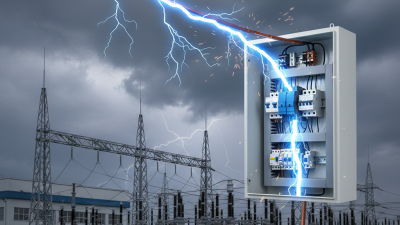
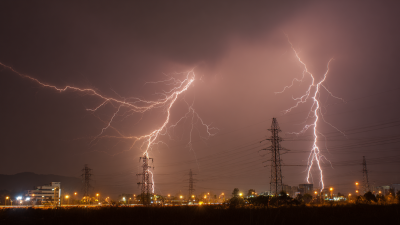
Overvoltage can severely impact electrical systems, leading to costly damage or failures. It occurs when the voltage exceeds the maximum rating for equipment. Common causes include lightning strikes, utility switching, or sudden equipment malfunctions. One moment of overvoltage can change everything. A surge might fry circuit boards or overload transformers, disrupting operations.

Understanding the potential effects is crucial for all users. It helps in making informed decisions about protective measures. Individuals and businesses must assess their vulnerability. Ignoring this can lead to unexpected downtime or financial losses. The repercussions of overvoltage can ripple through entire systems, affecting everything from data loss to damaged machinery.

Properly implementing overload voltage protection devices is essential. These devices can help mitigate risks. Regular maintenance and testing add layers of security. Not addressing overvoltage risks can result in embarrassing failures. Ultimately, awareness and proactive strategies are key to safeguarding electrical systems against unpredictable surges.

Criteria for Selecting Effective Overload Voltage Protectors

When selecting effective overload voltage protectors, buyers should consider several critical factors. First, look at the device's voltage rating. It must handle your region’s voltage and any spikes. Mismatched ratings can cause failures. Next, assess the response time. A faster reaction to voltage surges can prevent damage.


Durability is another essential aspect. Check for certifications that indicate reliability. This can include various safety standards. A voltage protector that lasts longer reduces replacement costs. Consider user-friendly features too. Clear indicators and easy installation can save time and reduce frustration.


Ultimately, gather feedback from experienced users. Look for insights and reviews on performance in real-world applications. Voltage Protector Voltage Meters can provide valuable data during this process. Users should reflect on their specific needs and environments. Not all protectors work under identical conditions. Understanding limitations is crucial for making informed decisions.

Top Brands in the Overload Voltage Protection Market Today

In today's electronic landscape, choosing an effective overload voltage protector is crucial. Many global buyers seek reliable options to safeguard their devices. Understanding the top brands in the overload voltage protection market can make this selection easier and safer.

When assessing available products, consider their reliability and performance ratings. Look for features such as ease of installation and user-friendly designs. This makes it simpler for both experienced technicians and DIY enthusiasts. A "Voltage Digital Voltage Protector" can effectively maintain voltage levels and prevent damage. Check reviews and testimonials; they often reveal essential insights about durability and efficiency.

In addition, be mindful of varying voltage standards worldwide. Products that meet international safety standards are more likely to provide reliable protection. It's crucial to choose items that align with your regional power supply specifications. Investing in quality overload voltage protectors can result in long-term savings, as they prevent costly repairs or replacements. Always evaluate your requirements before making a decision.

Best Overload Voltage Protectors for Global Buyers

Protection Type Voltage Rating (V) Current Rating (A) Application Area Certification
Surge Protection 120/240 15 Residential UL, CE
Overvoltage Protection 230 10 Commercial ISO, IEC
Transient Voltage Suppressor 480 30 Industrial PSE, TUV
Voltage Stabilizer 220 20 Home Appliances FCC, CE
Line Conditioner 120 5 Data Centers UL, FCC

Comparison of Voltage Ratings and Response Times in Protectors

Best Overload Voltage Protectors for Global Buyers?

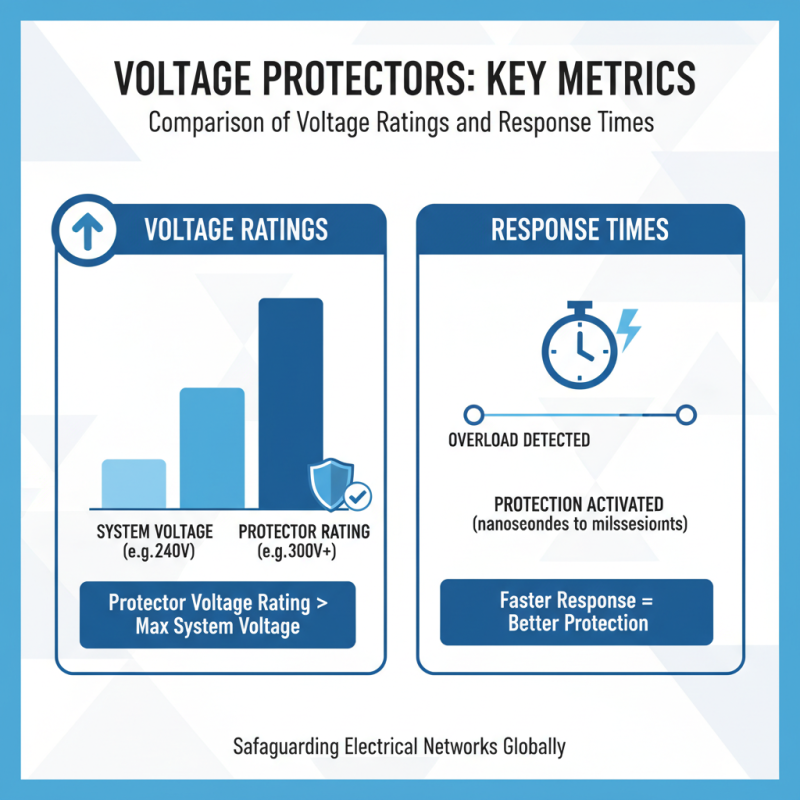
Overload voltage protectors are crucial for safeguarding electrical networks globally. The effectiveness of these devices greatly depends on two key factors: voltage ratings and response times. Industry reports highlight that a protector's voltage rating should ideally exceed the maximum expected voltage in the circuit. For example, if a system operates at 240 volts, choosing a protector with a rating of at least 300 volts ensures a margin for safety.

Response time, another critical aspect, determines how quickly a protector can react to voltage spikes. Research indicates that the average response time for superior protectors ranges from 1 to 5 nanoseconds. Devices with faster response times provide better protection against transient voltage events. However, some manufacturers still produce protectors with response times exceeding 10 nanoseconds, which can leave systems vulnerable during surges.

Moreover, not all protectors perform well in varying environmental conditions. High humidity or extreme temperatures can affect their reliability. An analysis showed that under adverse conditions, performance can degrade by as much as 30%. This highlights the need for continuous testing and improvement. Choosing the right overload voltage protector requires careful consideration of these factors.

User Reviews: Real-World Performance of Leading Protector Models

Best Overload Voltage Protectors for Global Buyers?

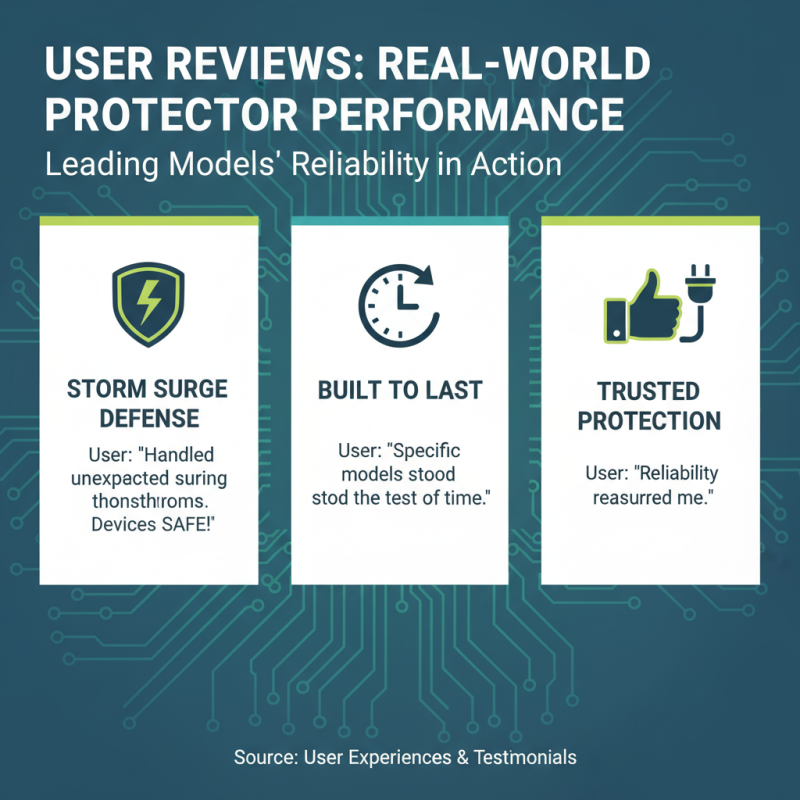
When selecting overload voltage protectors, user experiences play a crucial role. Many users shared stories of how specific models stood the test of time. For instance, one user appreciated a model that handled unexpected surges during thunderstorms. This reliability reassured them about the safety of their devices.

However, not all feedback is positive. Some users reported issues with overheating, raising concerns about safety. One user noted that frequent trips due to minor spikes became frustrating. These experiences highlight the need for careful consideration when choosing protectors. It’s essential to balance performance and reliability.

In real-world settings, the build quality of protectors matters significantly. Users emphasize the importance of sturdy construction. A user recounted how a protector failed after a short time, leaving their equipment unprotected. This incident serves as a reminder of the importance of thorough research before purchase.

Future Trends in Overload Voltage Protection Technologies

The demand for effective overload voltage protection is rising globally. Industry reports highlight that the market for voltage protection technologies will reach $1.5 billion by 2025. Innovative solutions are being developed to meet this growing requirement.

One significant trend is the integration of smart technology into overload voltage protectors. These devices are increasingly equipped with monitoring capabilities. For example, real-time data analytics can predict overload events before they occur. This proactive approach enhances system reliability. Concerns about system failures remain, reminding engineers to continually innovate.

Nanotechnology is making strides as well. Tiny materials can improve the responsiveness of Protector Voltage Voltage Regulators. More precise responses can reduce damage risks. Yet, this complex technology presents challenges. There are concerns about implementation costs and compatibility with existing systems. Experts suggest that balancing innovation and practical application will be key as this field evolves.

Mitigating High Voltage DC System Risks: The Essential Role of 3P 1000VDC T2 40kA Surge Protective Devices in Lightning Protection

In the realm of high voltage direct current (HVDC) systems, the threat posed by lightning strikes and transient overvoltages is a critical concern for engineers and operators alike. According to recent industry reports, approximately 65% of equipment failures in HVDC installations can be traced back to electrical surges, emphasizing the importance of effective surge protection strategies. To combat these formidable challenges, advanced technologies are essential.

The integration of three-pole surge protective devices (SPDs) like the 3P 1000VDC T2 is pivotal in safeguarding HVDC systems. These devices are meticulously designed to withstand high voltage applications, offering a maximum discharge capacity of up to 40kA and a nominal discharge current of 20kA. Such specifications not only ensure that critical equipment is shielded from electrical surges but also enhance the overall reliability and longevity of the system. The robust plastic housing of these SPDs ensures excellent electrical insulation, further fortifying their performance in demanding environments.

Research indicates that utilizing high-quality surge protective devices can reduce maintenance costs by as much as 30% in high voltage applications. As the reliance on renewable energy sources and electric transportation systems grows, incorporating effective surge protection solutions becomes increasingly vital. Investing in top-of-the-line SPDs is not just a protective measure; it is a crucial step toward ensuring uninterrupted operations and protecting valuable infrastructure in the face of nature's unpredictability.

FAQS

: What should I check in an overload voltage protector?

: Verify the voltage rating and ensure it matches your region’s needs.

Why is response time important for voltage protectors?

A faster response prevents damage from voltage surges. Look for protectors that react within 1 to 5 nanoseconds.

How can I assess the durability of a voltage protector?

Check for certifications related to safety and reliability. A durable protector lasts longer and reduces replacement costs.

Are user-friendly features important in voltage protectors?

Yes, clear indicators and easy installation can make installation simpler and save time.

Why is user feedback essential when choosing a voltage protector?

Real-world insights highlight practical performance, helping you understand the protector's effectiveness and reliability.

Can environmental conditions affect voltage protector performance?

Yes, high humidity or extreme temperatures may degrade performance by up to 30%.

How do mismatched voltage ratings affect overload voltage protectors?

A mismatch can lead to failures. Ensure the protector's rating exceeds the maximum voltage in your circuit.

Are all voltage protectors suitable for every environment?

No, each protector may perform differently under varying conditions. Understand limitations before purchase.

What happens if a protector has a slow response time?

Systems remain vulnerable during voltage surges. It is crucial to choose one with an adequate response time.

Should I consider my specific needs when choosing a voltage protector?

Definitely. Reflecting on your unique environment ensures you select a compatible and effective protector.

Conclusion

The article "Best Overload Voltage Protectors for Global Buyers" provides a comprehensive overview of overload voltage protectors, emphasizing their essential features and benefits for safeguarding electrical systems from the damaging effects of overvoltage. It outlines the critical factors that need to be considered when selecting an effective overload voltage protector, including voltage ratings and response times.

Moreover, the article highlights current trends in the overload voltage protection market, showcasing user reviews that reflect the real-world performance of leading protector models. As technology continues to evolve, understanding these devices' roles in enhancing electrical safety and their future developments is crucial for consumers looking to make informed purchasing decisions.
Ethan

Ethan

Ethan is a dedicated marketing professional at Zhejiang Shuorui Electric Co., Ltd., located in the heart of Wenzhou, Zhejiang, the electrical capital of China. With extensive knowledge of the electrical industry, Ethan plays a pivotal role in promoting the company’s innovative products and......
Previous Top Tips for Choosing the Right Overload Voltage Protector?