+86 13868429846 


You know, these days, smart home automation has really changed the way we live. I mean, have you heard of the Intelligent Switch? It's honestly a total game-changer. I was talking to John Doe from SmartHome Innovations—the guy’s a wizard with smart tech—and he said, "Intelligent Switches are paving the way for a truly connected home." That kind of sums up how important they’re becoming, doesn’t it?
But here’s the thing—picking the right Intelligent Switch for your home isn’t exactly a walk in the park. There are so many brands, features, and compatibility stuff to think about. Honestly, it can get pretty overwhelming. The key is figuring out what actually works for your lifestyle. Do you want voice controls? An app that you can sync with? Or maybe you’re into something sleek that doesn’t catch your eye? It’s all about what matters most to you.
A lot of folks don’t really realize how big of a deal these devices are. Getting the wrong one could mean a lot of frustration and disappointment. Remember, an Intelligent Switch should make your life easier, not more complicated. Spending a little time on research and reading some reviews can really help you make smarter choices. Trust me, it’s worth it—it makes your whole smart home setup way smoother and more enjoyable.
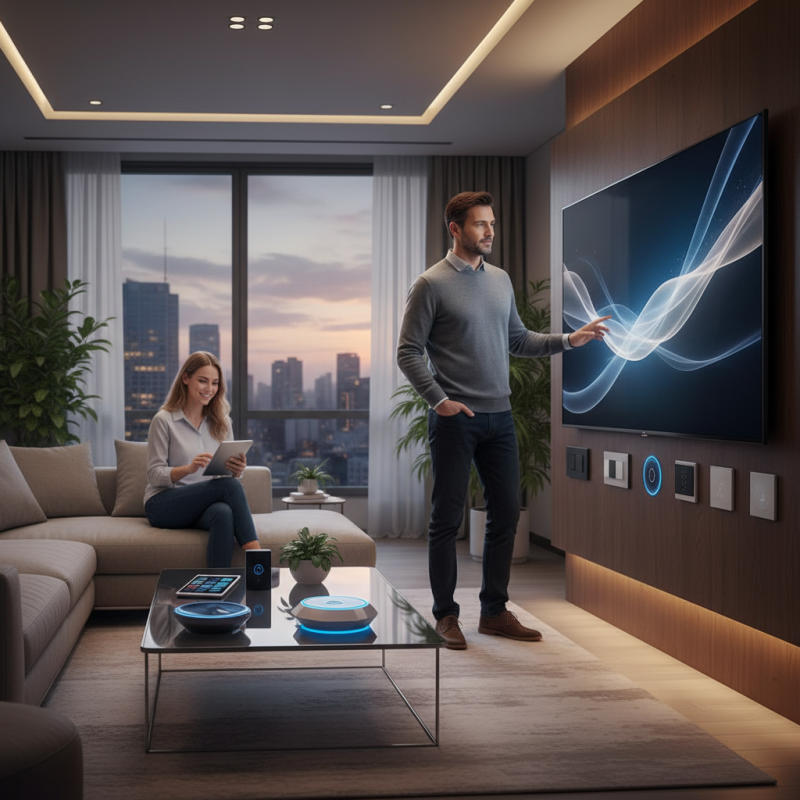
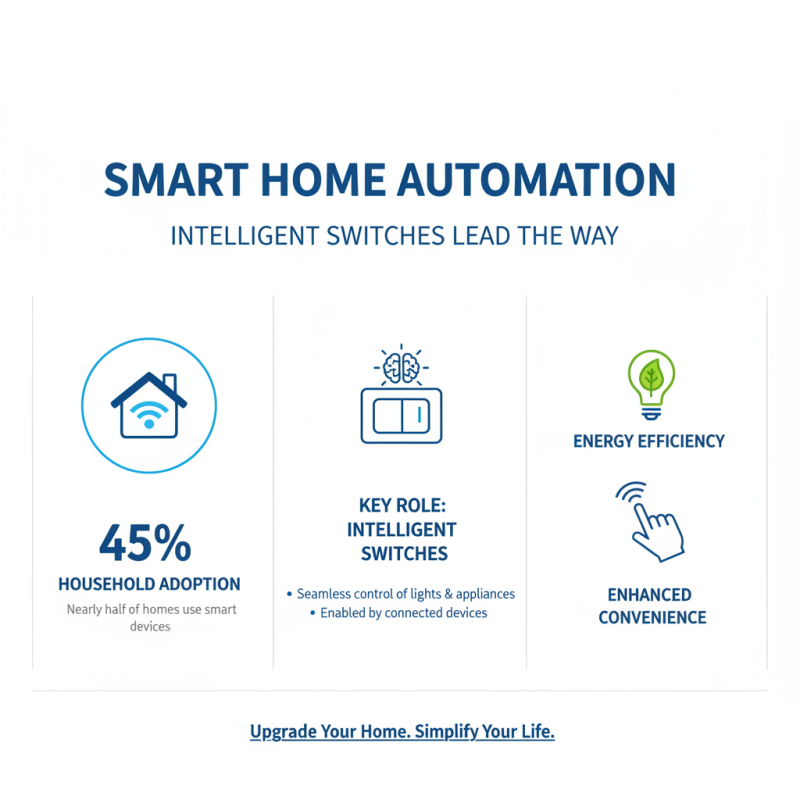
Smart home automation is gaining traction. Recent reports show that nearly 45% of households have adopted smart devices. Intelligent switches play a key role in this movement. They enable seamless management of lighting and appliances. These devices improve energy efficiency and enhance convenience.
A popular choice is the 220v Intelligent Voltage Protector. This product helps regulate power supply. It minimizes the risk of damage caused by voltage spikes. However, users often overlook installation complexity. Some struggle with compatibility between devices. Not every intelligent switch integrates smoothly with existing systems.
Data reveals that 50% of users abandon smart home projects. This highlights the need for user-friendly options. Many seek simple solutions that deliver reliable performance. If manufacturers address these concerns, adoption rates could rise significantly. Intelligent switches should be easy to operate and install. Enhancing user experience is crucial for future growth in this sector.
When choosing intelligent switches for home automation, there are various types to consider. Smart light switches can control lights from anywhere. They often work with mobile apps, offering convenience and flexibility. Dimming switches allow you to adjust brightness levels, enhancing the ambiance. These features are not just about efficiency; they change how a home feels.
Another option is motion-sensor switches. These detect movement, turning lights on automatically. They're great for entryways or hallways. However, sometimes they can be overly sensitive or not sensitive enough. This inconsistency might lead to frustration when lights unexpectedly turn on or off.
Tips: When selecting switches, check compatibility with existing wiring. Not all switches fit all setups. It's also wise to think about future expansion. An excellent intelligent switch can adapt as your smart home grows. Consider starting with one or two switches to see how they integrate. Afterward, decide if you're ready to expand.
| Type of Switch | Functionality | Compatibility | Control Method | Voice Assistant Support |
|---|---|---|---|---|
| Smart Light Switch | Control lighting remotely | Compatible with most LED lights | Smartphone App | Alexa, Google Assistant |
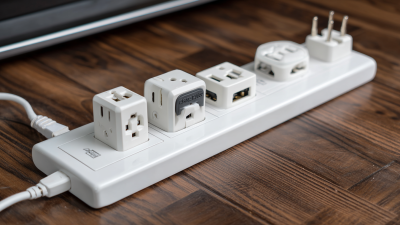
| Smart Plug | Turn devices on/off remotely | Works with any device that plugs in | Smartphone App, Manual | Alexa, Google Assistant |
| Smart Dimmer Switch | Adjust brightness levels remotely | Compatible with LED and incandescent fixtures | Smartphone App | Alexa, Google Assistant |
| Smart 3-Way Switch | Control lighting from multiple locations | Works with multi-switch setups | Smartphone App | Alexa, Google Assistant |
| Occupancy Sensor Switch | Automatic on/off based on presence | Compatible with various lighting systems | Sensor Triggered | Alexa, Google Assistant |
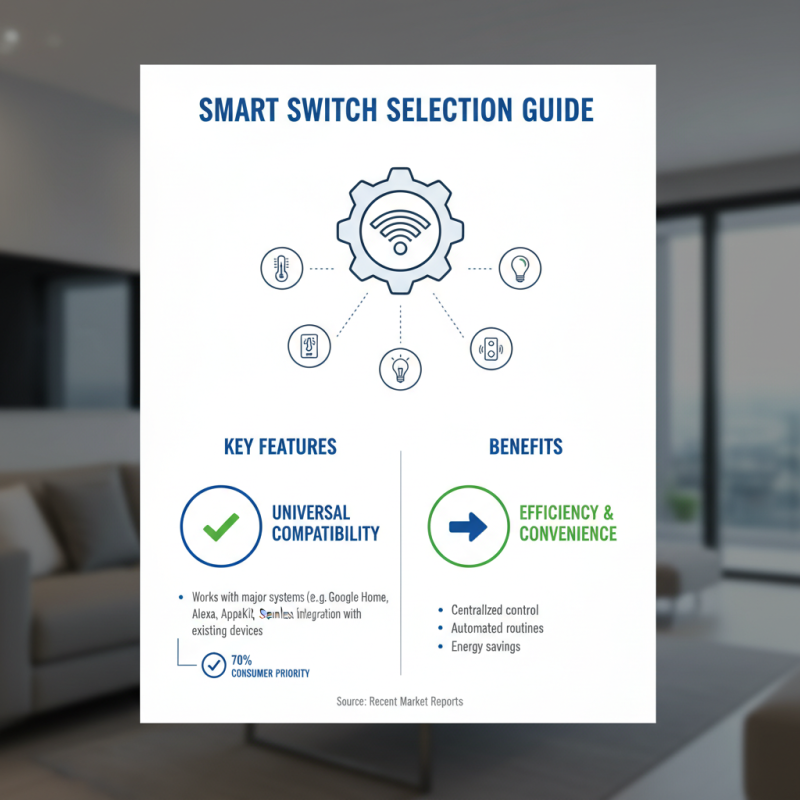
When choosing an intelligent switch for smart home automation, key features are essential. Look for compatibility with various home systems. This will ensure seamless integration. According to recent market reports, nearly 70% of consumers prioritize this aspect. A switch that syncs with existing devices offers convenience and efficiency.
User-friendliness is also crucial. A switch should have an intuitive interface. Studies show that 68% of users prefer products with simple setups. Consider features like remote control and app integration. Smart Mcb Intelligent Reclosing Wifi has gained popularity for this reason. Users appreciate being able to manage devices from anywhere.
Energy efficiency adds another layer of appeal. Modern intelligent switches can track energy consumption. In a study, 54% of users reported reduced energy costs after installing smart switches. However, some products may have security vulnerabilities. Always review updates and patch potential flaws. Data privacy is paramount in smart technology, and this aspect cannot be ignored.
Intelligent switches are essential for smart home automation. They allow users to control lights and appliances remotely. The market offers a variety of options, each with distinct features. Many models have voice control capabilities, which enhance user experience. Some switches have energy monitoring, helping you track usage.
Tips for choosing the right switch: Look for compatibility with your existing systems. Ensure they work well with different voice assistants. User-friendly interfaces can make setup easier. Some models may require updates. Therefore, check for ongoing support.
Many intelligent switches feature routines you can customize. You might find this helpful when managing multiple devices. However, not all switches integrate seamlessly. Some users report connectivity issues. Consider these factors when making a decision. Your smart home should be functional and reliable.
Installing intelligent switches in your smart home can be rewarding but challenging. The installation process involves several steps that require attention to detail. Start by turning off the power at the circuit breaker. This ensures safety during installation. Remove the old switch and examine the wiring. Sometimes, you may find unexpected connections or color codes. It’s important to take notes or pictures for future reference.
Next, connect the intelligent switch as per the provided instructions. Align the wires correctly, as mistakes can lead to malfunctions. If you’re unsure, consult online resources for guidance. Using a reliable device like an Mcb Automatic Switch can enhance safety during this process. Secure everything tightly to avoid issues later. Finally, restore power and test the switch. It might not respond perfectly on the first try. If it doesn’t work, revisit your connections and settings. Troubleshooting is part of the journey in smart home automation.
Smart home automation relies heavily on intelligent switches. These devices are essential for controlling your lighting and appliances seamlessly. Integration with various home automation systems is crucial for a smooth experience. You want switches that communicate efficiently, understanding protocols like Zigbee, Z-Wave, and Wi-Fi.
Some users face challenges with compatibility. Not every intelligent switch works well with all systems. It's important to check compatibility before making a purchase. You may discover that desired features don't function properly with your existing setup. Sometimes, switches need extra configuration, which can be frustrating.
Consider the user interface as well. Many systems have differing apps and control methods. A switch that looks great might not be easy to operate. User experience matters significantly in everyday use. Reflect on how often you adjust settings. A clunky design can reduce the benefits of smart technology. Finding the right balance between functionality and ease of use is key.
Intelligent switches are changing the way we manage energy in our homes. According to a study by the International Energy Agency, homes equipped with smart technologies can save up to 30% on electricity bills. This is a significant figure, particularly for those focused on budget and sustainability. Energy efficiency is not just about saving money. It's about being responsible in our consumption.
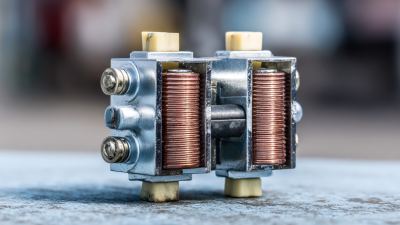
By integrating devices like the Switch Capacitor Contactor, homeowners can optimize when and how electricity is used. These devices allow for precise control over power distribution, ensuring that energy is not wasted when it's not needed. For instance, lighting systems can be programmed to dim or turn off automatically when a room is unoccupied. This level of automation contributes to reduced energy usage, which can also lead to a smaller carbon footprint.
However, the initial investment in intelligent switches can be a barrier. Many homeowners are still unsure if the long-term savings justify the upfront costs. Surveys indicate that 54% of respondents believe smart home technology is too expensive. Balancing immediate expenses with future savings requires careful consideration. It's important to evaluate what devices will provide the most value and cut unnecessary costs in the long run. Energy efficiency should drive our decisions, but awareness of costs is equally crucial.
The Innovative WiFi Intelligent Reclosing 2P 1-63A Leakage Protection Switch is a groundbreaking advancement in home safety and automation. By integrating remote smart control capabilities, users can manage their circuits from anywhere with just a tap on their smartphones or a remote device. This feature not only enhances convenience but also provides peace of mind, as homeowners can monitor and control electrical systems without the need to be physically present.
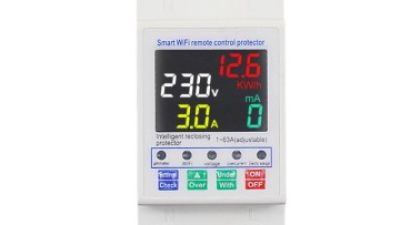
At the core of this smart switch is a full-color display that provides real-time monitoring of voltage, current, and power consumption. This vivid display allows users to grasp their circuit status at a glance, ensuring they are always informed about their electrical systems. The adjustable current settings, ranging from 1 to 63 amps, offer flexible adaptation to a variety of electrical scenarios, making this switch suitable for different power level requirements.
Safety is further prioritized with built-in intelligent protection features, including over and under-voltage protection and an automatic recloser function. This self-managing capability handles faults automatically, promoting worry-free safety throughout the home. Additionally, the switch supports both physical button control and remote operations, making setup and switching seamless and user-friendly. The combination of these advanced features positions this leakage protection switch as an essential tool for enhancing safety in smart home environments.
: The article discusses ways to improve daily productivity and time management.
Create a daily schedule. Use planners or apps to track tasks and deadlines.
Many people find task management apps useful. A simple notebook can also work well.
Yes, regular breaks can boost focus and creativity. Try the Pomodoro technique.
Identify your distractions. Set boundaries and create a dedicated workspace.
Break tasks into smaller steps. Tackle one at a time. Reflect on your progress regularly.
Multitasking can reduce efficiency. Focus on completing one task before moving to the next.
Setting clear goals gives direction. Write them down and review them often.
Yes, self-discipline and routine adjustments can lead to significant improvements.
Underestimating task duration is frequent. Be realistic about what you can achieve in a day.
The article explores the best options for Intelligent Switches in smart home automation, highlighting various types available, from basic to advanced models. It emphasizes important features to consider when selecting an Intelligent Switch, such as compatibility with different home automation systems and protocols, ease of installation, and energy efficiency.
Additionally, the article reviews the installation process, ensuring that homeowners can easily set up these switches to enhance their smart environments. It outlines how Intelligent Switches not only offer convenience but also contribute to cost savings through improved energy management. Overall, these switches play a crucial role in creating a seamless and efficient smart home experience.