+86 13868429846 


In the constantly changing world of electrical engineering, Electromagnetic Contactors really stand out. These gadgets are super important when it comes to controlling electrical circuits. Whether it's industrial machines or cutting-edge automation systems, their uses are pretty broad. Think of them as the gatekeepers, making sure everything runs smoothly and efficiently.
Now, as we look ahead to the top electromagnetic contactors of 2026, it’s definitely worth getting to know their features. Big names like Siemens and Schneider Electric are pretty much dominating the scene. Each model has its own little quirks and perks, but honestly, not every option is perfect for everyone. That’s where questions about reliability and how well they perform really come into play.
Picking the right electromagnetic contactor isn’t always a walk in the park. You’ve got to think about whether it plays nicely with your existing system and all that. Sometimes, reading reviews or looking over specs can be kinda tricky and even a bit misleading. So, checking out the latest 2026 options can actually help you make a smarter choice and avoid headaches down the line.
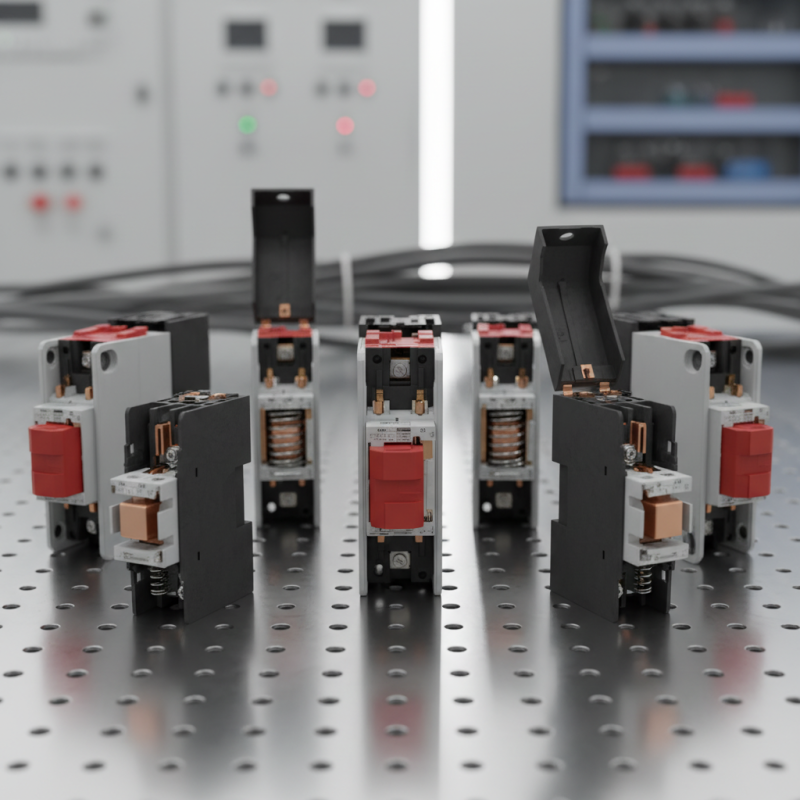
Electromagnetic contactors are critical components in industrial automation. In 2026, their role expands further. Recent reports indicate a projected growth of 8% in demand for these devices. Factors driving this trend include increased factory automation and energy efficiency needs.
The Electromagnetic Switch Contactor functions as a reliable mechanism for controlling power circuits. Its operational efficiency is crucial, yet many users overlook maintenance. Reports highlight that improper maintenance can lead to 30% of failures in contactor systems. This statistic underscores the importance of routine checks and service.
Interest in smart technologies also influences the electromagnetic contactor market. Sensors and IoT integration are on the rise. However, this brings challenges. Users must navigate compatibility issues. The complexity of these systems can deter some manufacturers. The gap between technological advancement and user capability needs addressing. As industry standards evolve, so must training and support for operators.
When choosing electromagnetic contactors, several key features are essential to consider. One major aspect is the contactor's rating. According to industry standards, most applications require contactors rated for at least 20 to 30 amps. Higher ratings are crucial for heavy-duty applications. Therefore, businesses must assess their load requirements carefully.
Another key feature is the coil voltage. Common options include 110V, 220V, and 440V. A mismatch here can lead to operational failures. This detail often gets overlooked but can cause significant issues in the field. Additionally, the life expectancy of contactors, often measured in operations, varies widely. Some units can last up to 1 million operations under ideal conditions. However, harsh environments can substantially reduce this lifespan.
It's also vital to consider the physical size and installation method. Space limitations can impact the choice of contactors. For example, compact designs are helpful in tight locations. Some designs may not provide sufficient heat dissipation, leading to overheating. Failure to consider this could lead to premature failures. In the end, evaluating these factors can help ensure reliable performance.
When exploring electromagnetic contactors in 2026, it's essential to focus on top brands and manufacturers. Various companies stand out due to their innovative designs and reliable performance. These manufacturers prioritize energy efficiency and safety in their products. A well-chosen contactor can enhance the longevity of your electrical systems.
Tips: Always check the specifications. Understand your project’s requirements. Select a product that meets or exceeds those needs.
In addition to quality, customer support is vital. Some brands provide excellent after-sales assistance. This can save you time and money in troubleshooting. Not all manufacturers offer the same level of service. Conducting thorough research is necessary before making a decision.
Tips: Look for reviews and testimonials. Talk to other users about their experiences. This insight can guide your choice effectively.
| Model | Current Rating (A) | Voltage Rating (V) | Coil Voltage (V) | Number of Poles | Dimensions (mm) | Weight (kg) |
|---|---|---|---|---|---|---|
| Model A | 10 | 230 | 24 | 3 | 60x45x30 | 0.5 |
| Model B | 20 | 400 | 48 | 4 | 75x55x40 | 0.8 |
| Model C | 30 | 600 | 110 | 4 | 85x60x45 | 1.0 |
| Model D | 15 | 240 | 36 | 3 | 70x50x35 | 0.7 |
Electromagnetic contactors play a crucial role in various industries. They serve as essential components for controlling power in large machinery. Their ability to open and close electrical circuits makes them versatile for applications in manufacturing, HVAC systems, and even in transportation.
In manufacturing, these contactors trigger motors and control assembly lines. They ensure operational efficiency by enabling quick start and stop functions. This is vital in reducing production downtime. In HVAC systems, electromagnetic contactors regulate compressors, fans, and pumps. Proper functioning means effective heating and cooling, contributing to energy savings.
Tip: Regularly inspect your contactors for wear. Signs of overheating or damage can lead to operational failures. In transportation, they help manage rail systems and electric vehicles. An overlooked contactor could mean delays or even safety risks in transit systems.
Using contactors in these applications comes with challenges. Incorrect installation can lead to malfunctions. Miscalculations in load ratings may result in failure. Make sure you're aware of the specifications needed for different applications. Always consult with a qualified professional when in doubt.
The field of electromagnetic contactors is evolving rapidly. Recent reports indicate a 15% increase in adoption rates for smart contactors, driven by industrial automation. These advanced contactors are designed to improve energy efficiency and reduce operational costs. As energy consumption becomes more critical, users seek solutions that can greatly minimize waste.
Innovations such as remote monitoring capabilities are gaining traction. This feature allows users to track the status of their Contactors Ac in real-time. Studies show that businesses using these technologies can reduce downtime by up to 30%. It's important to note, however, that integrating new technologies poses challenges. Training staff and adapting existing systems require careful planning.
Another promising development is the miniaturization of contactors. Smaller designs mean easier installation and reduced space requirements. While these benefits are appealing, they sometimes come at the expense of performance. Balancing size and efficiency remains a key consideration for engineers. As the industry progresses, continuous feedback will be essential for refining these innovations.
When selecting electromagnetic contactors, safety standards are crucial. Compliance with international safety standards ensures reliability. The IEC 60947-4-1 standard governs the performance of contactors. This includes testing for overcurrent, electrical insulation, and the capacity to handle inrush currents. Electromagnetic contactors rated at 40A are commonly used in various industrial applications. Understanding these metrics helps in choosing the right product.
Certification from recognized bodies is essential. It assures users that the equipment meets safety and quality benchmarks. Common certifications include UL, CE, and CCC. These marks signify that contactors have undergone rigorous testing. However, manufacturers sometimes struggle to maintain consistent certification. This can lead to confusion about product safety levels.
Tips: Always verify the certification of the product you purchase. Look for clear documentation that supports the claims of safety and efficiency. Regular maintenance checks on the electromagnetic contactors can prevent malfunctions. Frequent oversight can uncover potential issues that might otherwise go unnoticed. Understand the specific requirements for the 40a Ac Contactors you use. Familiarity with these details enhances operational safety.
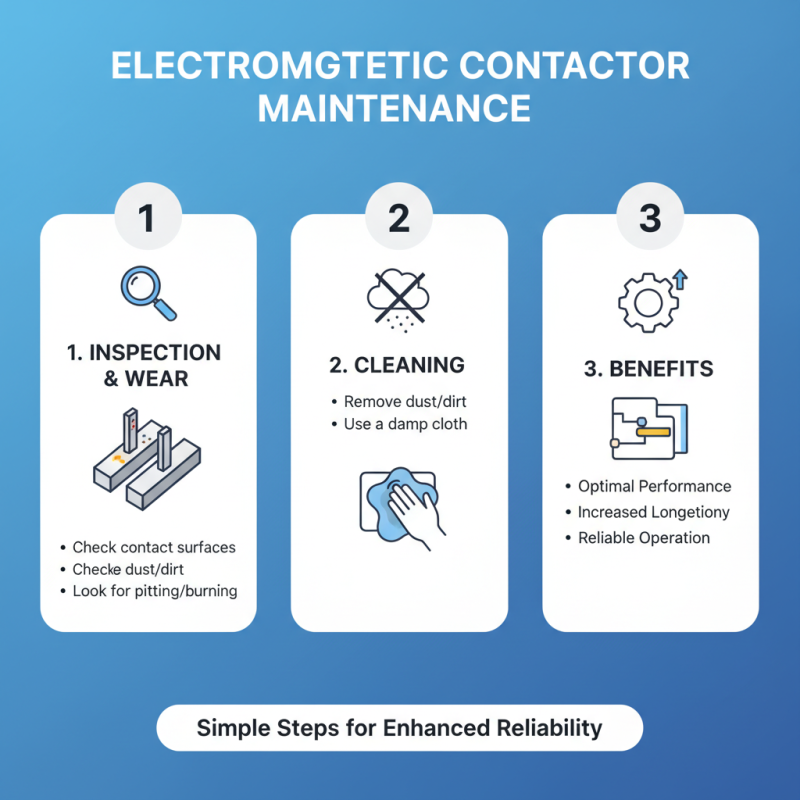
Maintaining electromagnetic contactors is essential for optimal performance. Regular inspection helps identify wear and tear. Check contact surfaces for pitting or burning. Dust accumulation can also affect operation. Cleaning the components is a simple yet effective step. Use a damp cloth to wipe off dirt. This can enhance longevity significantly.
For troubleshooting, understanding common issues is key. If a contactor does not energize, verify the control circuit. Ensure that the voltage is sufficient. A malfunctioning relay may also be to blame. In cases where a 3 Phase Contactor fails to release, inspect the spring mechanism. Sometimes, it’s a simple fix requiring a minor adjustment.
Listen for unusual sounds during operation. Grinding or buzzing can indicate problems. If you notice these signs, don’t ignore them. They can lead to bigger issues down the line. It’s important to reflect on maintenance habits. Consistency is crucial. Overlooking small details can result in costly repairs or downtime. Regular checks can prevent these complications.
: The content aims to provide helpful and informative details.
Anyone seeking knowledge on the subject can benefit.
Start by integrating small changes into your daily routine.
The advice is meant for a broad audience with diverse interests.
Take one step at a time and reflect on what works for you.
Yes, skipping important details can lead to misunderstandings.
Keeping a journal or checklist can help visualize your growth.
Absolutely, sharing can lead to valuable discussions and insights.
Patience is key. Reflection and adjustment may be necessary.
Yes, asking questions can deepen your understanding and clarity.
In 2026, Electromagnetic Contactors continue to play a critical role in automation and control systems across various industries. This summary provides an overview of their essential features, such as switching capacity, durability, and energy efficiency, which are paramount when selecting the right contactor for specific applications.
The article also explores the latest technological innovations that enhance the performance and reliability of Electromagnetic Contactors, as well as the importance of compliance with safety standards and certifications. Additionally, it offers valuable maintenance and troubleshooting tips to ensure optimal functionality. Understanding the applications and advancements in Electromagnetic Contactors helps industries to improve operational efficiency and safety.