+86 13868429846 


Nowadays, with everything moving so quickly around us, making sure our electrical systems are safe and running smoothly is more important than ever. You’ve probably heard about the Mcb Automatic Switch, right? It’s actually pretty key when it comes to protecting your devices from overloads and short circuits. But let's be honest—picking the right switch can feel pretty overwhelming. The market’s flooded with so many options, all promising reliability and top-notch performance, and that makes it tough to know what to trust.
Trying to go through all those specs can genuinely be a headache. That’s why it’s super important to focus on what really matters—like whether it has automatic reset functions, surge protection, and how easy it is to install. Sadly, a lot of folks overlook these details, and that can lead to costly mistakes down the line.
Not all Mcb Automatic Switches are created equal, either. Some just don’t quite fit what you need. So, do your homework before buying—look into brands, read customer reviews, and get a sense of their reputation. Making an informed choice now can save you a lot of trouble later. After all, your electrical safety’s worth a bit of extra effort and thought.
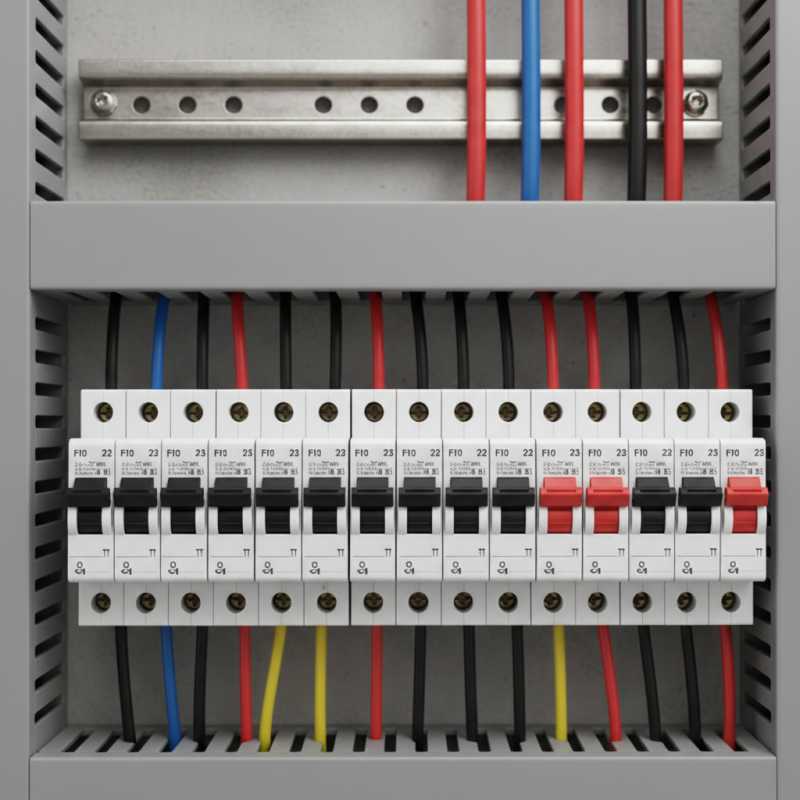
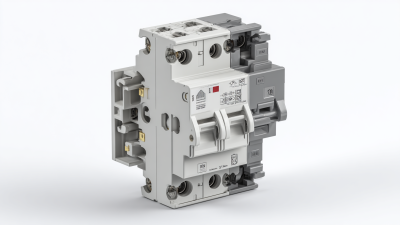
MCB stands for Miniature Circuit Breaker. These devices protect electrical circuits by automatically switching off during overloads or faults. Automatic switches are vital for ensuring safety in homes and industries. They act quickly to prevent damage to appliances or electrical systems. According to a recent industry report, the global market for MCBs is expected to grow by 8.9% annually until 2026. This growth reflects the increasing need for safety in electrical installations.
MCBs provide several advantages over traditional fuses. They can be reset easily after a fault occurs, unlike fuses that require replacement. Their reliability makes them popular in residential and commercial settings. In fact, around 60% of electrical fires are due to poor circuit protection. Thus, installing MCBs significantly enhances safety.
Tip: When choosing an MCB, consider the rated current and breaking capacity. Ensure it matches your electrical load requirements. Always consult a professional if unsure about your needs. Making hasty decisions can lead to inadequate protection, potentially causing future incidents. Recognizing the importance of these switches will help in making informed choices.
Understanding the importance of Miniature circuit breakers (MCB) in electrical safety is crucial. These devices play a vital role in protecting circuits from overloads and short circuits. When excessive current flows, the MCB automatically disconnects the circuit. This action prevents potential fires and equipment damage. It reduces risks, ensuring a safer environment.
In many homes, MCBs act as a reliable barrier against electrical issues. Imagine experiencing a sudden power spike. The MCB will trip, cutting off the power instantly. This feature is essential for sensitive electronics. However, some users might overlook the need for regular testing. It’s not uncommon for an MCB to wear out over time. Regular checks can prevent failure when you most need it.
While every household needs protection, many people buy MCBs without proper knowledge. The “Automatic Recovery Protector” is a feature many wish they had considered more closely. It allows the circuit to restore itself after a fault. Yet, not every MCB offers this feature. This oversight can lead to serious complications. Educating oneself about these products is crucial for maintaining home safety.
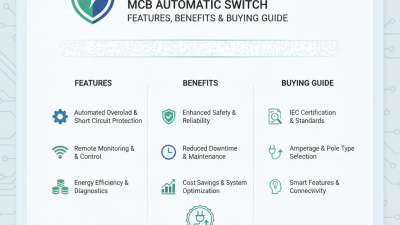
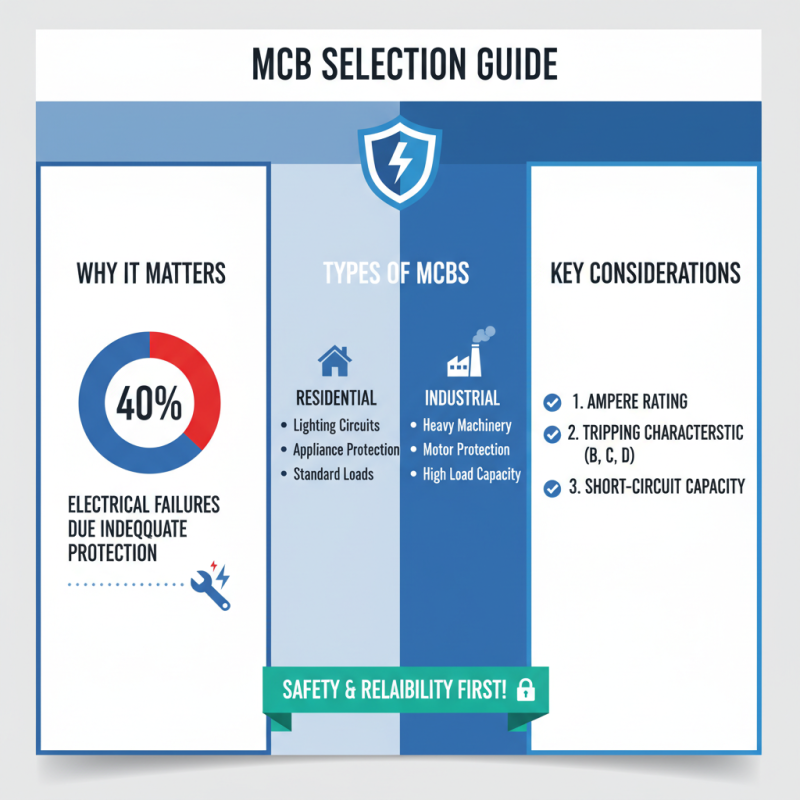
When purchasing MCB (Miniature Circuit Breaker) automatic switches, several key features stand out. Current ratings are vital. They typically range from 6A to 63A. A precise match to the intended load is crucial. An over-rated switch may not trip during overloads, leading to potential risks.
Another essential feature is the breaking capacity. This refers to the maximum fault current the device can handle. According to industry data, a typical MCB should have a breaking capacity of at least 6kA. The choice of type is also important. Type B is great for resistive loads, while Type C caters more to inductive loads.
Installation and maintenance must not be overlooked. MCBs require periodic testing. Yet, data indicates that only 30% of users regularly perform such checks. Ignorance can lead to delays during an electrical fault. Lastly, consider the dimensions and design. Some environments may require compact models due to space constraints. Balancing all these factors can be complex, but they are vital for safety and efficiency.
When it comes to selecting the best MCB automatic switches in 2026, understanding top brands is crucial. Many offer unique features that enhance safety and performance. Quality matters; less expensive options may compromise on durability. Reliability can sometimes be a gamble. A dependable switch should ensure smooth operation under varying loads.
Some brands focus on user-friendly designs. This makes installation easier for those not technically inclined. However, intricate models may boast advanced functionalities, yet can confuse if not properly understood. It’s essential to find a balance between complexity and usability. Accessibility should not be overlooked; a good switch will allow for easy maintenance and replacement.
In addition to performance, consider the warranty that comes with the switch. A longer warranty indicates confidence in the product’s lifespan. Reviews from users can shed light on real-life experiences. They often highlight issues that manufacturers might not cover. It’s worth researching to find the best options that fit your specific needs and ensure peace of mind.
When choosing an MCB, understanding the options is crucial. The market offers various models that cater to different needs. Some are designed for residential use, while others suit industrial applications. Reports show that about 40% of electrical failures are linked to inadequate circuit protection. Thus, selecting the right MCB is vital for safety and reliability.
Comparative reviews indicate that many MCBs have unique features that impact their performance. For instance, some models provide additional surge protection, which can be essential in areas prone to voltage spikes. A study noted that MCBs with advanced protection can reduce damage by up to 30%. However, not every MCB is suitable for all environments. Some may fail under high-load conditions. Sometimes, this leads to unexpected trip times, causing delays and frustration.
A common concern is compatibility with an Ac Automatic Voltage Stabilizer. While some MCBs work seamlessly with stabilizers, others may cause issues. Users often report inconsistencies when pairing devices. Careful selection and testing can prevent these problems. Consumers should consider these factors before making a final decision. Knowledge of the specifications and performance metrics can greatly influence the outcome.
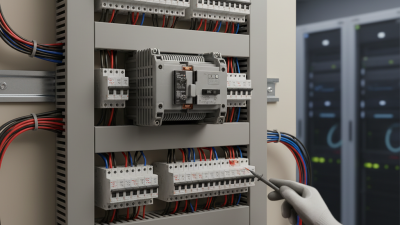
When installing MCB automatic switches, proper attention to detail makes a significant difference. Ensure the installation area is dry and clean. Keep wires organized to avoid chaotic setups. Check for compatibility between the MCB and your electrical system. This will prevent unwanted tripping. Use proper tools for installation; using the wrong ones can lead to issues later on.
Regular maintenance is essential for the longevity of your MCB switches. Schedule periodic checks to assess their functionality. Look for signs of wear or damage, as these can lead to malfunctions. Be sure to test the 220v Automatic Voltage Protector regularly. If it fails to operate correctly, consider replacing it immediately. Dust accumulation may also hinder performance, so it's a good idea to clean the switches gently.
Ignoring these tips might lead to bigger problems. Mishandling during installation can cause errors. Failing to maintain your switches may result in unexpected outages. Safety is paramount, and using MCBs correctly will greatly reduce the risks. Remember, a little effort in installation and maintenance goes a long way. Be vigilant in your approach, and always prioritize safety in your projects.
| Model | Current Rating (A) | Number of Poles | Type | Price ($) |
|---|---|---|---|---|
| MCB Model A | 16 | 2 | Type B | 25.99 |
| MCB Model B | 32 | 3 | Type C | 35.50 |
| MCB Model C | 63 | 4 | Type D | 45.75 |
| MCB Model D | 50 | 2 | Type B | 29.99 |
| MCB Model E | 80 | 3 | Type C | 55.00 |
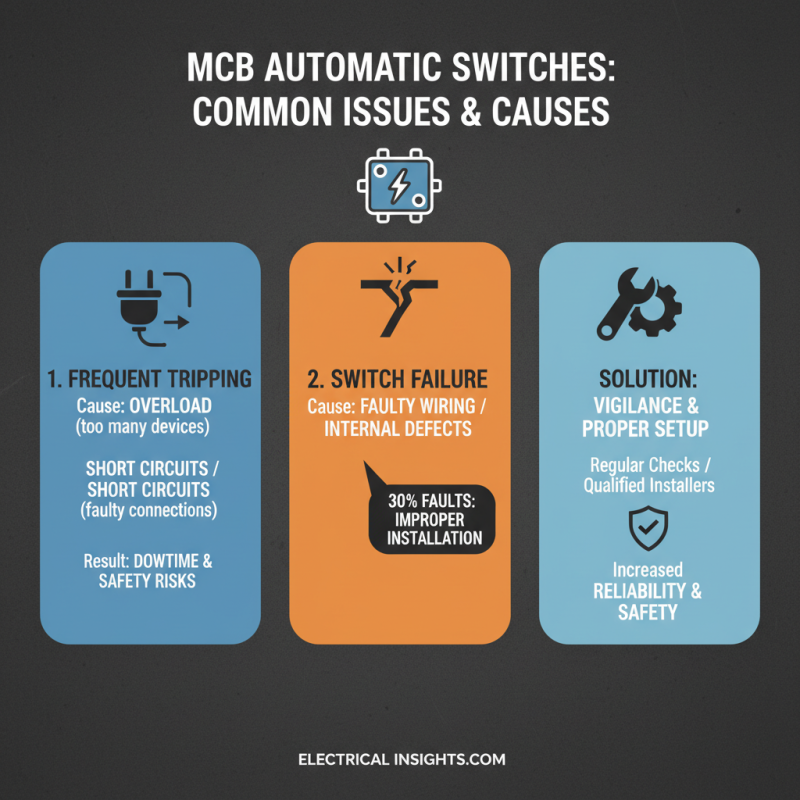
Common issues with MCB automatic switches can lead to significant downtime and safety concerns. Many users report frequent tripping and failures. This often occurs due to overload, short circuits, or faulty wiring. According to industry reports, nearly 30% of electrical faults stem from improper installations. This highlights the need for vigilance during setup.
Troubleshooting MCB switches begins with checking the load. Ensure that the total current does not exceed the switch's rating. Regular maintenance is essential. Inspect connections and wiring for signs of wear or damage. If frequent tripping happens, consider the use of a 220v Automatic Voltage Regulator. This device can stabilize voltage levels and prevent unnecessary tripping.
Tips: Always consult an electrician if issues persist. Keep an eye on connected devices. Sudden spikes in usage can cause trips. Regularly test your MCB to ensure it's functioning correctly. A proactive approach can save time and money, avoiding larger electrical issues down the line.
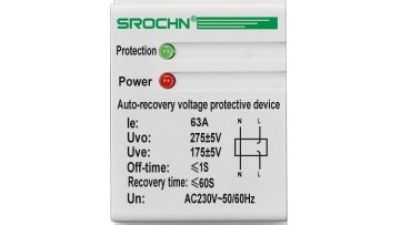
The 63A2P overvoltage and undervoltage protector plays a crucial role in ensuring the safety of electrical systems within residential settings. Installed at the incoming lines of distribution boxes, these protectors are specifically designed to safeguard single-phase electrical equipment commonly found in homes and small offices. By monitoring voltage levels, they provide essential protection against both overvoltage and undervoltage incidents, preventing potential damage to valuable appliances such as air conditioners, refrigerators, and televisions.
In practice, the installation of these protectors is vital for maintaining the integrity of electrical supply systems. By being strategically placed at the front end of distribution lines, they act as a first line of defense for sensitive equipment, alerting users to fluctuations in voltage that could pose risks. Such proactive measures not only enhance the longevity of electrical devices but also contribute to the overall safety of household environments, ensuring peace of mind for homeowners regarding their electrical systems. With their ability to mitigate risks related to power supply irregularities, overvoltage and undervoltage protectors are indispensable components in modern residential electrical safety.
: Common ingredients often include vegetables, grains, and proteins. Seasonal options can enhance flavor.
Cool leftovers quickly. Use airtight containers and refrigerate them within two hours. Consume within a few days.
Boiling, steaming, and sautéing are simple methods. They require minimal equipment and are also forgiving for errors.
Yes, but it may change flavor and texture. Experimentation can lead to surprising and tasty outcomes.
Use a food thermometer for accuracy. Visual cues like color changes can also help, though they’re less reliable.
Assess the damage. Sometimes, you can salvage it by removing burnt parts. Learning from mistakes can improve skills.
Yes, it saves time and ensures healthier choices. However, it can be overwhelming initially. Start small and adjust.
Add more vegetables and whole grains. Reducing processed items also enhances health benefits; balance is key.
Look for alternatives in your pantry. Creativity can lead to unique flavors. Embrace the challenge for fun meals.
The article "2026 Best MCB Automatic Switch Reviews and Buying Guide" provides a comprehensive overview of Miniature Circuit Breakers (MCB) and their significance in electrical safety. It begins with an explanation of what MCB Automatic Switches are and highlights their crucial role in protecting electrical circuits from overloads and short circuits. The guide emphasizes essential features to consider when purchasing these switches, such as current rating and tripping characteristics, ensuring consumers make informed decisions.
Furthermore, the article presents a comparative review of several popular MCB models for 2026, helping readers understand the specifications and functionalities that set them apart. It also includes practical installation and maintenance tips to enhance the longevity and efficiency of MCB Automatic Switches. Lastly, common issues and troubleshooting advice equip users with the knowledge to resolve typical problems, thereby maximizing the performance of their MCB systems. This guide serves as a valuable resource for anyone looking to enhance their electrical safety with MCB technology.