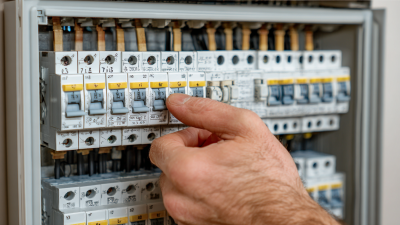
In today’s fast-paced, tech-savvy world, businesses are really looking for ways to be more efficient and innovative. That’s where the 2026 Intelligent Switch comes into play — it’s seriously turning heads as a must-have solution. This kind of smart switch helps streamline day-to-day operations, boosts connectivity, and makes managing networks way simpler. With real-time monitoring and auto-responses, companies can actually cut down on downtime, which is a huge win.
But here’s the thing—not all Intelligent Switch models are the same. It’s super important to look closely at what features they offer and how those benefits really stack up. Some folks might find certain functions a bit overwhelming or confusing, while others might miss out on some critical features if they’re not careful. Finding that sweet spot between being user-friendly and packing enough advanced features is key. When choosing your switch, it’s a good idea to think about what you actually need now, and also how well it can grow with you down the line.
With all these tech advances happening so quickly, it’s worth taking a moment to reflect. Are we really making the most of what Intelligent Switches can do? Regular check-ins and evaluations can make sure we stay flexible and responsive. Embracing this kind of tech can totally elevate your success—so long as we approach it with understanding and a bit of cautious optimism.

Overview of Intelligent Switch Technology
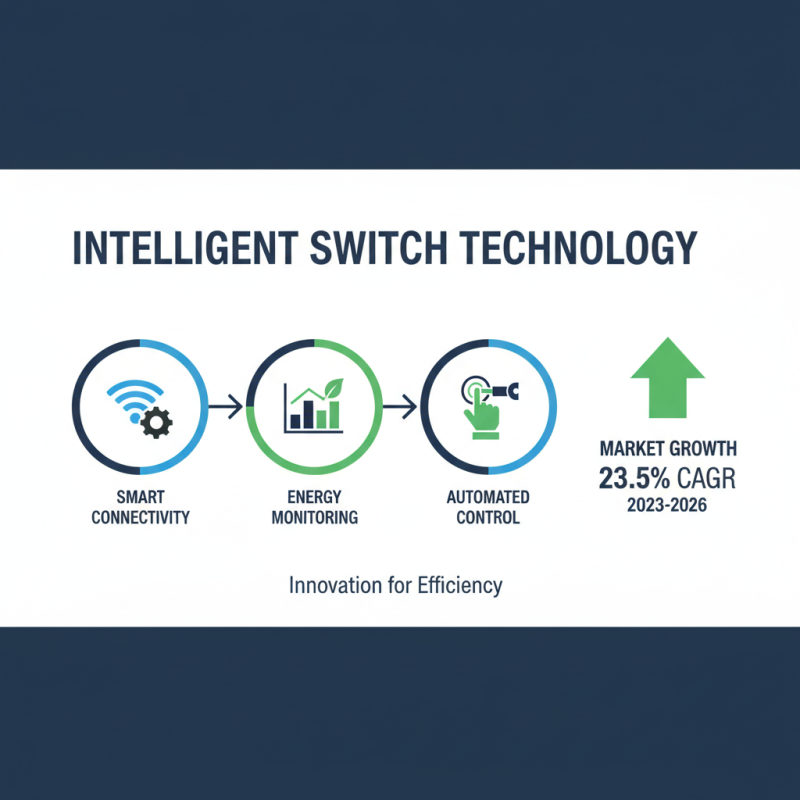
Intelligent switch technology has gained traction in recent years. Many organizations are looking for innovative ways to enhance efficiency. These switches often include features such as smart connectivity, energy monitoring, and automated control systems. According to a recent industry report, the market for intelligent switches is projected to grow at a CAGR of 23.5% from 2023 to 2026.
The main benefits revolve around energy savings and enhanced automation. Intelligent switches can adjust energy consumption based on real-time demand. This can lead to reduced operational costs. However, the initial setup of these systems can be complex. Users may face challenges in integrating them with existing infrastructure. It’s essential to conduct thorough research before making any investment.
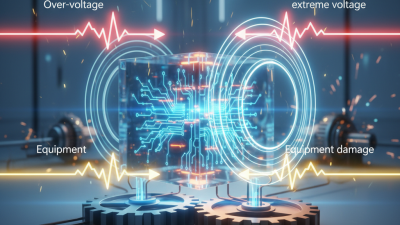
Tips: When selecting intelligent switches, ensure they are compatible with your current systems. Look for models that include a 220v Intelligent Voltage Protector. This can prevent potential damage from voltage spikes. Always assess the long-term benefits versus the upfront costs. Ensure you are making an informed decision that aligns with your operational goals. Such careful planning can yield better returns in the long run.
Key Features of the 2026 Intelligent Switch
The 2026 intelligent switch brings innovative features that enhance connectivity and efficiency. One key aspect is its adaptive bandwidth allocation. This ensures devices get the speed they need, reducing lag during peak usage. Users can enjoy seamless online gaming or streaming, which is essential in today’s digital age.
Another important feature is its advanced security protocols. These switches protect against unauthorized access and data breaches. Enhanced encryption keeps sensitive information safe, a major concern for both businesses and individuals. However, while these features offer security, they may not eliminate all vulnerabilities. Regular updates and monitoring are still necessary.
User-friendly interfaces are also a highlight. The setup process is simplified, making it accessible for non-tech-savvy individuals. Yet, some users might struggle with the more advanced settings. It's important to provide thorough guides for all levels. Balancing simplicity and functionality remains a challenge.
Benefits of Using Intelligent Switches in Networks
Intelligent switches play a crucial role in modern networks. They offer benefits that enhance network performance and security. These switches can automatically manage traffic. This reduces congestion and improves speed. They adapt to varying network loads seamlessly.
Using intelligent switches allows for better monitoring. Network administrators can gain insights into traffic patterns. This data helps in making informed decisions. For instance, they can identify unusual activities, enhancing security. However, it's essential to ensure that staff is trained to interpret this information correctly.
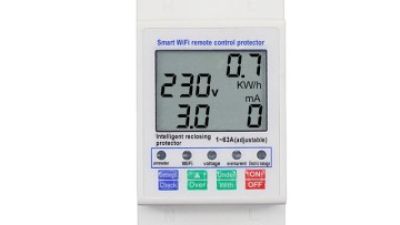
Tips: Regular updates are vital. This helps maintain security and features. Consider the integration of Smart Mcb Intelligent Reclosing Wifi in your design. Proper installation matters too. A poorly positioned switch can impact performance, causing frustration. Always think about future scalability when designing your network.
Comparison of Intelligent Switches vs. Traditional Switches
Intelligent switches bring a new era in networking. They provide advanced features that traditional switches lack. One key aspect is automation. Using a Mcb Automatic Switch can help streamline functions, reducing manual intervention. This means less human error, but not all users fully grasp the benefits.
Traditional switches often require manual configurations. This can lead to mistakes, especially in complex networks. In contrast, intelligent switches can learn and adapt. They analyze traffic and optimize performance without constant oversight. This sounds great, but it’s also challenging. Networking professionals must still monitor systems. Technology does not replace the need for skilled personnel.
Implementation can be tricky. Intelligent switches may integrate poorly with outdated systems. There may be a learning curve for teams used to traditional setups. Balancing innovation with legacy systems can create tension. Users must weigh the immediate downsides against potential future benefits. Transitioning to advanced solutions like the Mcb Automatic Switch calls for strategic planning. It’s crucial to evaluate how it fits into existing workflows.
Comparison of Intelligent Switches vs. Traditional Switches
Applications of Intelligent Switches in Various Industries
Intelligent switches are gaining traction across various industries, enhancing automation and efficiency. In manufacturing, these switches streamline machinery operations, reducing downtime. By using real-time data, they help in monitoring equipment health, allowing for timely maintenance.
In smart homes, the integration of intelligent switches transforms daily routines. They connect seamlessly with IoT devices, enabling remote control and automation. Imagine controlling lights or heating systems with just a voice command or smartphone app. It adds convenience but can sometimes lead to over-reliance on technology.
Tips: Always evaluate your needs before investing. Understand the capabilities of your intelligent switch. It's vital to choose models that suit your specific requirements. Sometimes, simpler solutions perform just as well as complex ones.
The healthcare sector also benefits significantly. Intelligent switches can automate patient monitoring systems, ensuring timely alerts for healthcare providers. However, it’s essential to maintain a balance between automation and human intervention. Over-automation can create dependencies that may compromise patient care.
Integrating a Switch Capacitor Contactor in electrical setups enhances energy efficiency. It helps manage power flow more efficiently, reducing waste. Reflect on how current systems rely on outdated technology. Upgrading can lead to better resource management and improved outcomes across various applications.
2026 Best Intelligent Switch Features and Benefits Explained
| Feature | Description | Benefits | Applications |
| Real-Time Monitoring | Continuous tracking of network performance and device status. | Enhances troubleshooting and reduces downtime. | Data Centers, IT Management |
| Traffic Management | Intelligent routing and bandwidth allocation based on traffic load. | Optimizes network performance and enhances user experience. | Telecommunications, ISPs |
| Security Features | Intrusion detection and prevention systems implemented within the switch. | Protects against unauthorized access and cyber threats. | Corporate Networks, Financial Services |
| Scalability | Easily expandable to accommodate growing network demands. | Cost-effective upgrades and future-proofing the network. | Manufacturing, Smart Cities |
| Automated Configuration | Self-configuring capabilities for quick deployment. | Reduces setup time and errors during network initialization. | Retail, Hospitality |
Future Trends in Intelligent Switch Development
The future of intelligent switch development is promising. These devices are becoming more than just on/off controls. They are evolving into smart hubs that integrate seamlessly with our lifestyles. Advanced features like energy monitoring and remote access are becoming standard. Users can track their energy consumption and adjust settings remotely. This saves costs on utilities and promotes eco-friendly habits.
Developers are focusing on user experience. Interfaces are simplified, making them more intuitive. Voice control and automation create a hands-free experience. However, challenges exist. Connectivity issues can disrupt smart setups. Users sometimes find it difficult to troubleshoot when problems arise, leading to frustration. Continuous updates and support are necessary for improvement. As innovation progresses, maintaining reliability becomes crucial in this dynamic field.
Best Practices for Implementing Intelligent Switches
Implementing intelligent switches requires careful planning and consideration of various factors. A successful deployment starts with understanding network demands. Know your current and future needs. This ensures that the switch can handle data flow effectively. Evaluate network traffic patterns to identify bottlenecks. It's worth noting that some organizations overlook this vital step.
Configuration is crucial. Properly setting up intelligent features can enhance performance. However, complexity can lead to misconfigurations. Regular monitoring is essential. Without it, issues can go unnoticed, leading to downtime. Train staff to manage these devices effectively. Not everyone is familiar with advanced settings, which can create problems later.
Lastly, consider integration with existing infrastructure. Not all devices play well together. Compatibility issues can surface. Take time for testing before full deployment. Small-scale trials can uncover hidden challenges. Observing performance in real scenarios can be enlightening. Mistakes will happen, but each offers an opportunity for growth and refinement in the process.
Enhancing Home Safety: The Benefits of WiFi Intelligent Overvoltage and Undervoltage Leakage Protection Switches
In today's increasingly connected world, home safety has taken on a vital role, particularly in protecting households from electrical hazards. WiFi intelligent overvoltage and undervoltage leakage protection switches are pivotal in enhancing safety measures. These advanced devices provide customizable overcurrent protection, allowing homeowners to determine the threshold of electrical usage. With the capability to cut off power in just 0.1 seconds during an overload, these switches not only prevent potential fires but also enable self-recovery after troubleshooting. This rapid response is essential, given that electrical fires account for approximately 51,000 fires annually in the U.S., according to the National Fire Protection Association.
Moreover, leakage protection is crucial for family safety; these innovative devices prompt users via mobile software alerts when electrical leakage occurs. Given that electrical leakage can lead to serious injuries or even fatalities, timely intervention is key. According to the Electrical Safety Foundation International, electrical shock causes more than 1,000 fatalities in the U.S. each year. Therefore, having a proactive approach to identifying and resolving leakage risks through smart technology not only keeps families safe but encourages responsible energy use.
Real-time data tracking is another benefit of these WiFi-enabled devices. Homeowners can visualize electricity, voltage, current, and leakage values on a single interface without needing to switch between displays. Access to accurate data empowers users to take control of their energy consumption. As reported by the U.S. Energy Information Administration, residential electricity consumption has consistently increased, underscoring the importance of technology that safeguards homes while offering insights into energy usage patterns. This combination of enhanced safety and real-time feedback positions WiFi intelligent overvoltage and undervoltage leakage protection switches as indispensable tools for modern households.
FAQS
: Intelligent switches are devices that enhance automation and efficiency. They include features like smart connectivity and energy monitoring.
They save energy and reduce operational costs by adjusting consumption based on real-time demand.
Users might struggle with complex setups and integration with existing infrastructure.
Ensure compatibility with current systems and assess long-term benefits versus upfront costs.
They streamline machinery operations and monitor equipment health, helping reduce downtime.
Yes, they connect with IoT devices for remote control and automation, but over-reliance may occur.
Intelligent switches automate patient monitoring systems, providing timely alerts but require balanced human intervention.
Understand your network demands and monitor performance regularly to avoid downtime and misconfigurations.
Not everyone is familiar with advanced settings, leading to potential issues without proper training.
Yes, small-scale trials can help identify hidden challenges and improve integration processes.
Conclusion
The article delves into the advancements of Intelligent Switch technology, highlighting its key features and benefits for modern networks. Intelligent Switches are designed to enhance network management through advanced functionalities such as improved traffic monitoring, automated management, and enhanced security. Their capabilities significantly outshine traditional switches, offering greater efficiency and flexibility in handling network demands.
Furthermore, the article discusses various applications of Intelligent Switches across multiple industries, demonstrating their vital role in optimizing network performance. As the technology evolves, future trends suggest an increasing integration of artificial intelligence and machine learning, paving the way for smarter networking solutions. Best practices for implementing Intelligent Switches are also provided, ensuring organizations can harness their full potential while maintaining robust network operations.

 +86 13868429846
 Contact Phone
 Contact Email