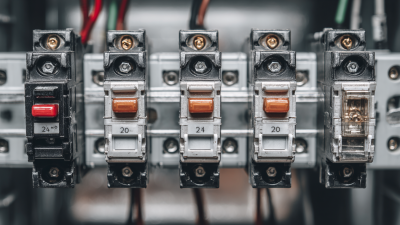
In today’s ever-changing world of electrical safety devices, picking the right Mcb Automatic Switch is a pretty big deal—whether you're working on a home project or managing a commercial setup. I recently came across a report from MarketsandMarkets that said the global market for MCBs is set to jump from around USD 6.1 billion in 2020 to about USD 8.5 billion by 2025, growing at roughly 6.8% each year. That’s a clear sign of just how important these switches are for protecting electrical circuits from overloads and short circuits—they’re key to keeping everything running smoothly and safely.
Industry expert John Smith, a well-known electrical engineer, really underscores this point. He says, ‘Choosing the right MCB can make a huge difference—it lowers the risk of fires and damage to your equipment, so it’s pretty much an essential part of any electrical system.’ With so many options out there, it can feel a bit overwhelming trying to figure out what’s best. That’s why it’s important to understand the specifications, different types, and installation details of MCB switches. This guide is here to help you navigate those key points so you can pick a reliable, efficient switch that keeps your electrical system protected and running smoothly.
Overall, making an informed choice isn’t just about what’s popular—it’s about what fits your needs and ensures safety every step of the way.
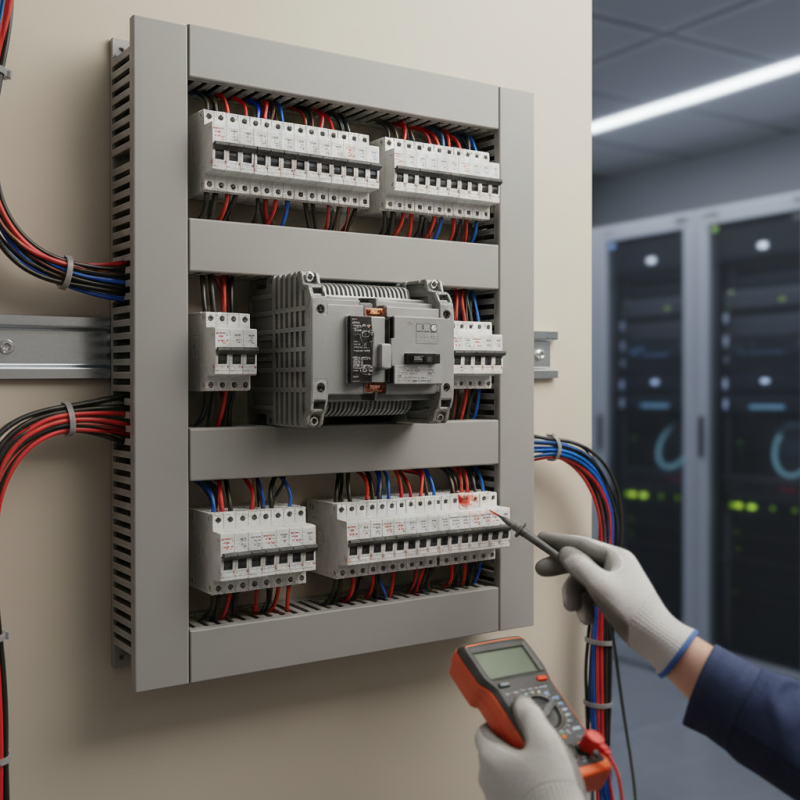
Understanding MCB Automatic Switch: Definition and Functionality
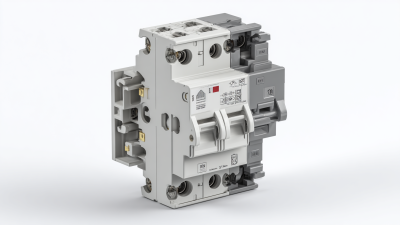
An MCB (Miniature Circuit Breaker) automatic switch is a protective device that automatically switches off an electrical circuit in the event of an overload or short circuit. Unlike traditional fuses, which must be replaced after they blow, MCBs can be reset after tripping. This functionality not only enhances the convenience of electrical management but also improves safety by preventing overheating and electrical fires.
The core functionality of an MCB lies in its ability to detect discrepancies in electrical current flow. It continuously monitors the current passing through a circuit, and when it exceeds predetermined limits, the MCB responds by disconnecting the circuit to prevent damage to the wiring and connected devices. This rapid response is crucial in mitigating risks associated with electrical faults, making MCBs an essential component in residential and commercial electrical systems. Understanding these basic principles can help users make informed decisions when selecting the right MCB for their specific needs.
2025 Guide: How to Choose the Right MCB Automatic Switch for Your Needs
| Feature | Description | Importance |
| Current Rating | The maximum current the MCB can handle safely without tripping. | Critical for preventing overload. |
| Tripping Curve | The speed at which an MCB reacts to overcurrent conditions. | Affects the protection of sensitive equipment. |
| Number of Poles | Indicates how many circuits the MCB can protect. | Necessary for ensuring multi-phase protection. |
| Voltage Rating | The maximum voltage that the MCB can safely interrupt. | Essential for system compatibility. |
| Application Type | Whether for industrial use, residential use, or commercial applications. | Determines the required robustness and features. |
| Breaking Capacity | The maximum fault current the MCB can interrupt without being damaged. | Critical for safety in high fault conditions. |
Key Types of MCBs and Their Applications in Electrical Systems
When selecting a miniature circuit breaker (MCB) for your electrical system, it's essential to understand the key types of MCBs available and their specific applications. One of the most common types is the Type B MCB, which is designed to trip between 3 to 5 times the rated current. This type is optimal for protecting residential circuits with standard lighting and general-purpose outlets. It is particularly useful in applications where surge currents are less likely to occur, ensuring reliable protection for home appliances.
Another important type is the Type C MCB, which is calibrated to trip between 5 to 10 times the rated current. This MCB is suitable for circuits with inductive loads, such as motors and transformers, as it can handle higher inrush currents without tripping unnecessarily. In commercial settings, Type C MCBs are often employed to protect circuits powering machinery, where brief surges are commonplace, ensuring that equipment operates smoothly without frequent interruptions. Understanding these differences allows for more informed decisions when designing or upgrading electrical systems.
Determining the Right Ratings: Amperage and Voltage Considerations
When selecting the right miniature circuit breaker (MCB) automatic switch, understanding the appropriate ratings for amperage and voltage is crucial. Amperage ratings dictate the maximum current an MCB can handle without tripping. According to industry research from the International Electrotechnical Commission (IEC), MCBs are typically available with ratings ranging from 1A to 125A, making it essential to match the MCB with the electrical load of the circuit. For instance, a household circuit for lighting might be adequately protected with a 10A MCB, while larger appliances may require 16A or higher, depending on the total load they draw.
Voltage ratings also play a significant role in selection. Most residential circuits operate on 230V, while some industrial applications may utilize higher voltages, such as 400V. The IEC outlines that using an MCB with a voltage rating exceeding the system voltage is a critical safety measure, preventing potential hazards like electrical arcing and failure during overload conditions. Ensuring the MCB's voltage rating is compatible with your electrical system minimizes the risk of malfunction and enhances overall safety. Proper assessment of both amperage and voltage requirements based on expected usage is essential for optimal circuit protection, allowing users to effectively safeguard their electrical installations.
Evaluating MCB Specifications: Breaking Capacity and Reaction Time
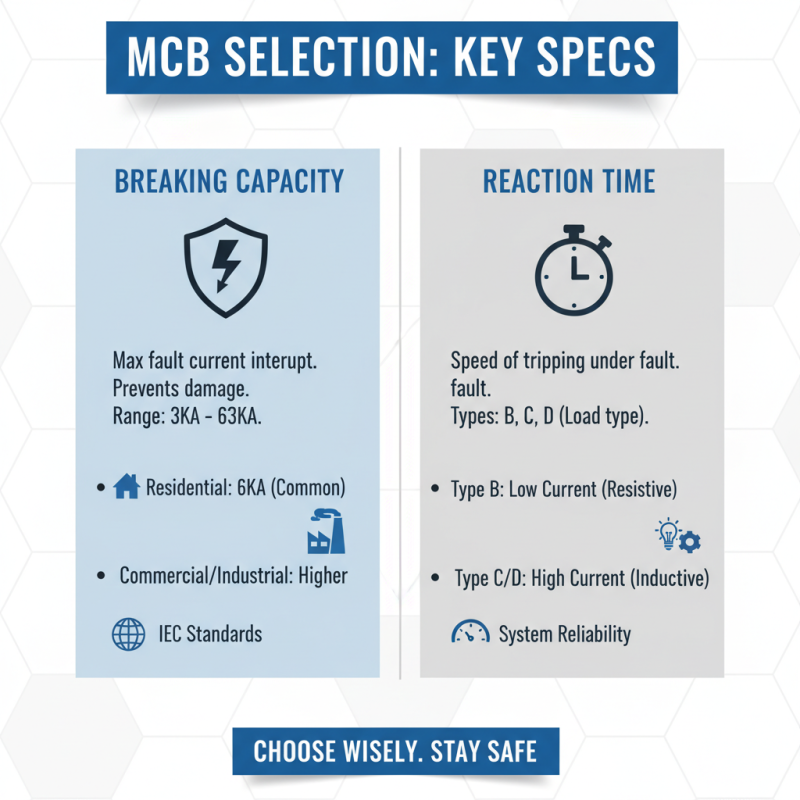
When selecting a miniature circuit breaker (MCB), understanding key specifications like breaking capacity and reaction time is crucial. Breaking capacity refers to the maximum fault current that the MCB can interrupt without causing damage to itself or the electrical circuit. Industry standards typically categorize MCBs based on their breaking capacity, which usually ranges from 3kA to 63kA. A report by the International Electrotechnical Commission highlights that selecting an appropriate breaking capacity is essential in preventing electrical hazards and ensuring system reliability. For instance, in residential installations, a 6kA breaking capacity is commonly recommended, but commercial or industrial applications may require significantly higher ratings depending on the expected fault levels.
Reaction time is another pivotal factor in MCB performance. This specification defines how quickly the MCB can disconnect the circuit in the event of an overload or short circuit. According to a study by the Institute of Electrical and Electronics Engineers (IEEE), the optimal reaction time for MCBs is often under 0.1 seconds, which significantly minimizes the risk of fire and damage to connected equipment. Moreover, faster reaction times can also improve overall system efficiency, as they provide better protection against transient faults. When evaluating MCB options, it's essential to balance these specifications with your specific application requirements to ensure effective protection and performance.
Assessing Installation Requirements and Compliance Standards
When selecting the right miniature circuit breaker (MCB) automatic switch for your specific needs, understanding installation requirements and compliance standards is paramount. The National Electric Code (NEC) provides essential guidelines that, if followed, enhance safety and reliability in electrical installations. According to recent industry data, adhering to NEC standards can reduce electrical fires by up to 30%, underscoring the critical nature of compliance.
Installation requirements vary widely based on the application, whether residential or commercial. An MCB must be installed in a manner that allows for easy access and sufficient ventilation to prevent overheating, which could lead to malfunction. Additionally, ensuring the MCB meets local regulatory requirements regarding voltage and current ratings is crucial. Consulting a qualified electrician can help navigate these complexities and prevent costly errors.
Tips: Always verify that the MCB you choose is rated for the specific application, including considerations for short-circuit and overload protection. Additionally, familiarize yourself with local building codes, as these can significantly influence installation practices and compliance. Regular maintenance and testing of MCBs can further safeguard your installation against potential failures and enhance the overall efficiency of your electrical system.
Comparative Analysis: MCBs vs. Other Circuit Protection Devices
When selecting a circuit protection device, it's essential to understand the differences between Miniature circuit breakers (MCBs) and other options like fuses and Residual Current Devices (RCDs). MCBs are favored for their ease of reset after a trip and their ability to protect against overloads and short circuits. According to the International Electrotechnical Commission (IEC), MCBs have a higher reliability rating compared to traditional fuses, as they can be used multiple times without replacement, ultimately leading to cost savings in the long run.
In contrast, while fuses offer basic overload protection, they must be replaced after each trip, which can increase maintenance costs and downtime. Additionally, RCDs provide protection against electrical shocks, but they do not shield against overloads. A comprehensive report from the Electrical Safety Foundation International indicates that the use of MCBs has contributed to a 30% decrease in electrical fires due to their advanced trip mechanisms, reinforcing their importance in modern electrical systems.
Tip: Evaluate the specific needs of your electrical setup before making a choice. Consider the potential load and the types of devices connected to the circuit.
Tip: Always consult with a qualified electrician or a safety compliance professional to determine the best protective devices for your setting, as regulations may vary based on location and usage.
Trends and Innovations in MCB Technology for Future-proofing Choices
As we look toward the future, the trends and innovations in Miniature Circuit Breaker (MCB) technology are rapidly evolving, shaping the way consumers and businesses choose automatic switches. One significant trend is the integration of smart technology, which allows for real-time monitoring and control of electrical systems. Reports indicate that the adoption of smart MCBs is expected to grow by over 30% by 2025, driven by increasing demand for energy efficiency and remote management capabilities. This not only enhances safety features but also improves energy management, helping users reduce operational costs.
Another area of innovation is the development of more compact MCB designs that offer enhanced performance without requiring additional space. According to industry insights, the miniaturization of electrical components is becoming a priority, with some manufacturers reporting a reduction in size by 20% while maintaining reliability. This trend is particularly beneficial in urban environments where space is at a premium, making it crucial for contractors and homeowners to consider when selecting MCBs.
Tips: When choosing an MCB, it’s vital to assess your specific requirements, such as load rating and trip characteristics. Additionally, look for options that allow future upgrades, ensuring longevity and adaptability as technology progresses. Always consult professional reports and guidelines to stay updated on industry standards and innovations, thereby making informed decisions that align with your electrical needs.
FAQS
: Breaking capacity refers to the maximum fault current that an MCB can interrupt without sustaining damage or causing harm to the electrical circuit.
Selecting an appropriate breaking capacity is essential to prevent electrical hazards and ensure system reliability, particularly in residential or commercial installations based on expected fault levels.
The breaking capacity of MCBs typically ranges from 3kA to 63kA.
Reaction time defines how quickly the MCB can disconnect the circuit in the event of an overload or short circuit to minimize the risk of damage.
The optimal reaction time for MCBs is often under 0.1 seconds to effectively protect against fires and damage to equipment.
MCBs can be reset after a trip, making them easier to use than fuses, which must be replaced after each trip, leading to potentially higher maintenance costs and downtime.
MCBs protect against overloads and short circuits, while RCDs protect only against electrical shocks, making MCBs more versatile for circuit protection.
The use of MCBs has contributed to a significant decrease in electrical fires due to their advanced trip mechanisms that enhance safety in electrical systems.
Understanding the specific load and types of devices connected to the circuit helps in choosing the most appropriate protective device, ensuring effective performance.
Yes, it's advisable to consult with a qualified electrician or safety compliance professional to ensure the appropriate protective devices are chosen based on local regulations and specific requirements.
Conclusion
In the 2025 guide to selecting the right MCB automatic switch, understanding its definition and functionality is crucial. MCBs, or Miniature Circuit Breakers, offer essential protection in electrical systems by interrupting the flow of electricity during overloads or short-circuits. The guide emphasizes different types of MCBs and their specific applications, ensuring that users can match the right MCB to their unique requirements.
Critically, determining the correct ratings for amperage and voltage is highlighted alongside evaluating specifications such as breaking capacity and reaction time. Installation requirements and compliance standards also play a vital role in ensuring safety and reliability. By comparing MCBs with other circuit protection devices, users can make informed decisions. Furthermore, the guide explores emerging trends and innovations in MCB technology, aiding individuals in future-proofing their electrical solutions with the right MCB automatic switch.

 +86 13868429846
 Contact Phone
 Contact Email